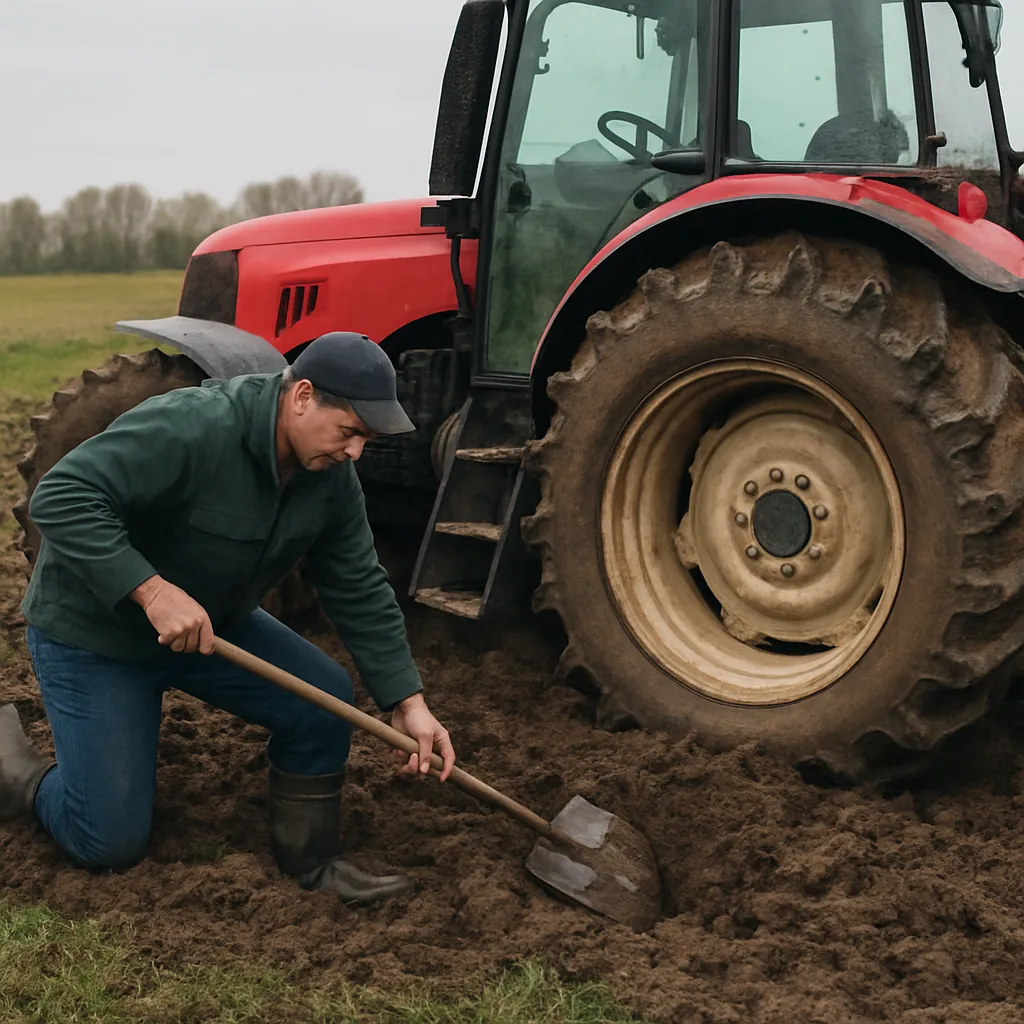
Getting a tractor immobilized in mud, snow, or soft terrain presents significant challenges for every operator. Effective recovery hinges on quick assessment, choosing the right equipment, and following safe procedures to protect both the machine and the people involved. This guide covers practical methods to free a stuck tractor while maintaining safety and stability throughout the process.
Assess the Situation Before Acting
Before attempting any extraction, take time to examine the environment and tractor condition. A thorough evaluation ensures that you select the best strategy and avoid creating additional hazards.
- Ground Conditions: Inspect soil type, moisture level, and terrain slope. Soft mud or clay demands different tools than deep snow or loose sand.
- Tractor Position: Note how deeply the tires are buried. Are only the rear wheels stuck, or is the front end grounded as well?
- Weather Factors: Consider rain, frost, or heat that could worsen the situation or affect the performance of equipment.
- Load and Attachments: Check whether implements such as plows or trailers add extra weight or resistance.
- Proximity to Obstacles: Identify any nearby trees, ditches, fences, or bodies of water that could pose risks during recovery.
Ensure the operator and bystanders maintain a safe distance before engaging any pulling or winching device. Clear communication and visual signals help coordinate efforts without confusion.
Select Appropriate Extraction Methods
Choosing the right technique depends on available tools, the tractor’s size, and how deeply it’s stuck. Prioritize methods that minimize stress on the chassis and drivetrain.
Winching Techniques
- Use a quality winch with rated capacity above the tractor’s weight. Portable units or those mounted on a recovery vehicle both work well.
- Attach to sturdy anchor points, such as a large tree or another mechanical winch on a recovery truck.
- A proper recovery strap or winch cable should be attached to the tractor’s designated hitch or recovery eye. Avoid weak tow hooks or brakemounted points.
- Maintain a slow, steady pull to avoid sudden jerks that might damage the tractor’s frame or transmission. Monitor cable tension and stop immediately if the pull angle shifts unpredictably.
Using Traction Aids
- Place wooden boards, gravel, or specialized traction mats under the tires to increase traction surface. Ensure they are firmly positioned to prevent slip-out when torque is applied.
- Reduce tire inflation pressure moderately to enlarge the contact patch, improving grip in soft soils. Don’t deflate too much, as this risks bead slip or rim damage.
- Consider lightweight tracks that wrap around tractor tires, providing additional surface area and grip without the need for winching.
Towing with a Secondary Vehicle
- Use a second tractor or heavy-duty truck with sufficient pulling capacity. Ensure the towing vehicle has good traction and is positioned on stable ground.
- Employ a heavy-duty recovery strap with elastic properties to absorb shock loads between vehicles.
- Align both machines straight ahead to avoid side loads that can cause transmission or hitch failures.
Step-by-Step Recovery Process
Follow these clear steps to minimize risk and damage:
- Secure the scene: Set out warning signs, engage hazard lights, and instruct all personnel to stand clear of the pull path.
- Attach equipment: Fasten winch cable or towing strap to designated hitch points on both machines.
- Test the setup: Apply light tension to verify anchor points and tensioners are secure.
- Execute steady pull: Gradually increase force, keeping the tractor’s engine revs moderate. High revs can cause drivetrain slippage and overheating.
- Monitor progress: Watch tire rotation, ground movement, and equipment strain. Stop immediately if anything appears unsafe.
- Retract equipment: Once freed, disengage traction aids, re-inflate tires to operating pressure, and inspect for damage.
Preventing Tractors from Getting Stuck
Prevention is always better than cure. Regular maintenance and cautious operation can greatly reduce the risk of becoming immobilized.
- Plan Routes Carefully: Map pathways on firm ground, avoiding low-lying areas prone to waterlogging.
- Soil Awareness: Understand how different soil types behave under load. Clay fields can become like glue after rain, while sandy soils lose support quickly.
- Use Proper Tires: Equip tractors with tires designed for the specific terrain. Deep tread patterns and wider profiles boost stability and flotation.
- Regular Maintenance: Keep the drivetrain, brakes, and steering components in top condition to ensure reliable response during recovery operations.
- Operator Training: Teach best practices for throttle control, gear selection, and recognizing signs of traction loss.
- Install Accessories: Consider underbody skid plates, fender guards, and quick-attach recovery points to streamline extraction if needed.
Safety Guidelines and Best Practices
Extracting a heavy machine like a tractor carries inherent risks. Adhering to strict safety standards ensures everyone stays protected.
- Use Personal Protective Equipment: Hard hats, gloves, steel-toe boots, and eye protection are essential.
- Never Exceed Equipment Ratings: Match winch and towing gear capacity to the weight and size of the tractor. Overloading cables or straps can lead to catastrophic failure.
- Clear Communication: Designate a spotter to guide the operator and control signals during the pull.
- Avoid Standing in Line with Tensioned Gear: Should a winch cable snap, it can recoil with deadly force.
- Keep Fire Extinguishers Handy: Excessive engine load can cause overheating or hydraulic leaks that present fire risks.