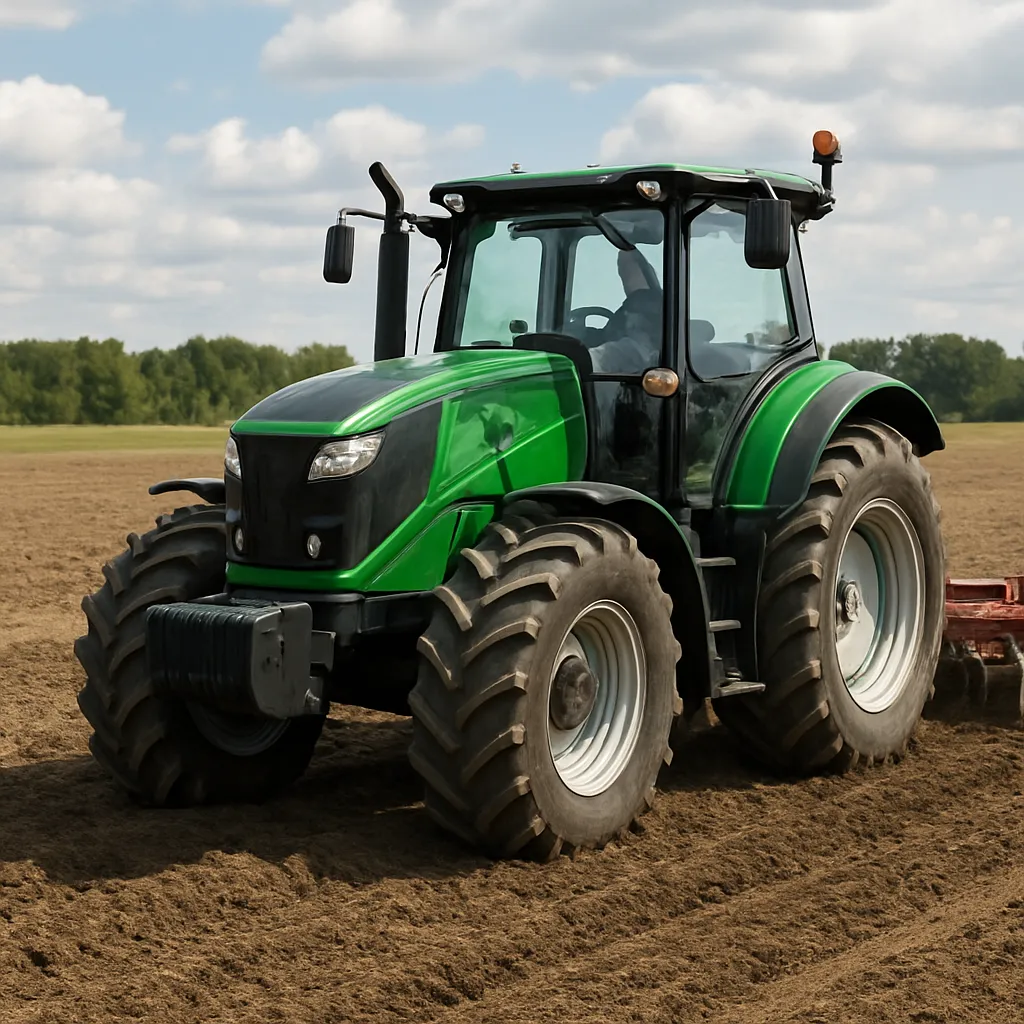
Tractors equipped with continuous variable transmission (CVT) represent a new era in agricultural mechanization, combining unmatched efficiency and robust performance to meet modern farming demands. By eliminating conventional gear shifts, CVT models deliver a smooth power curve that adapts precisely to load requirements, enhancing both field operations and road transport. As agricultural enterprises strive for higher yields and lower operating costs, CVT tractors stand out for their capacity to optimize engine output under varied conditions while preserving fuel and minimizing wear.
Intelligent Power Management
Continuous variable transmission relies on a system of variable-diameter pulleys connected by a reinforced belt or chain. This design allows the transmission ratio to change seamlessly across an infinite range, delivering constant torque to the wheels. Key advantages of CVT power management include:
- Consistent engine RPM: Operators can set the engine to run at its most efficient speed, maintaining optimal power delivery without interruptions from gear shifts.
- Adaptive load response: The transmission automatically adjusts to changes in field or road load, ensuring steady traction even on slopes, wet soil, or uneven terrain.
- Reduced mechanical shock: The absence of fixed gears mitigates the stress on driveline components, contributing to superior durability and fewer repair intervals.
By harnessing these features, farmers benefit from improved control over implements like plows, seeders, and balers, translating into more uniform soil preparation and planting consistency. The result is a direct uplift in overall productivity across extensive acreage.
Enhanced Fuel Efficiency and Innovation in Design
Fuel consumption represents a major expense in agricultural operations. CVT tractors excel here by operating the engine within its peak thermal efficiency range. When the engine runs at constant RPM, fuel injection and combustion parameters can be precisely calibrated, delivering measurable savings on every hectare worked. Advantages include:
- Optimized throttle control: Eliminates unnecessary revving or lugging by matching engine power delivery to implement demands.
- Improved slip management: Advanced traction control systems work in harmony with CVT to minimize wheel slip, reducing wasted energy and soil compaction.
- Dynamic response: Modern CVT systems use electronic sensors to predict load changes, allowing for proactive ratio adjustments that lower peaks in fuel draw.
Leading manufacturers are also integrating hybrid and electrified assist systems with CVT, further cutting fuel burn and emissions. These innovations align with global sustainability goals while preserving high operational outputs.
Operator Comfort and Versatility
Comfort and ease of use are essential for operators facing long hours in the cab. CVT tractors contribute significantly to a fatigue-free environment:
- Smooth acceleration: The absence of gear jumps ensures a steady ride even when reversing or switching between field and road modes.
- Precise speed control: Advanced cruise and headland management features let drivers program automatic deceleration and turning points, increasing consistency between passes.
- Quieter operation: Consistent engine noise levels reduce stress, allowing better communication and focus during planting, spraying, or harvesting tasks.
Enhanced ergonomics—such as adjustable seats, climate control, and intuitive displays—complement the transmission’s benefits, maximizing operator comfort and safeguarding productivity during peak seasons.
Maintenance, Durability and Sustainability
Longevity and predictable upkeep are critical when evaluating total cost of ownership. CVT tractors have risen to the challenge by simplifying maintenance schedules and extending service intervals:
- Fewer moving parts: Compared to multi-speed gearboxes, CVT units integrate fewer shifting components, reducing potential failure points.
- Extended lubricant life: Stable operating RPMs diminish thermal fluctuations in the hydraulic system, preserving fluid integrity and cutting down on oil changes.
- Real-time diagnostics: Onboard electronics continuously monitor belt tension, hydraulic pressures, and temperature, alerting technicians to potential issues before they escalate.
Moreover, the sustainability credentials of CVT tractors are increasingly prominent. By optimizing resource utilization—fuel, lubricants, and maintenance consumables—these machines lower carbon footprints and contribute to eco-friendly farming practices. Adaptable to a broad spectrum of implements, from high-capacity harvesters to precision planters, CVT tractors offer a versatile platform that grows with evolving agricultural challenges.