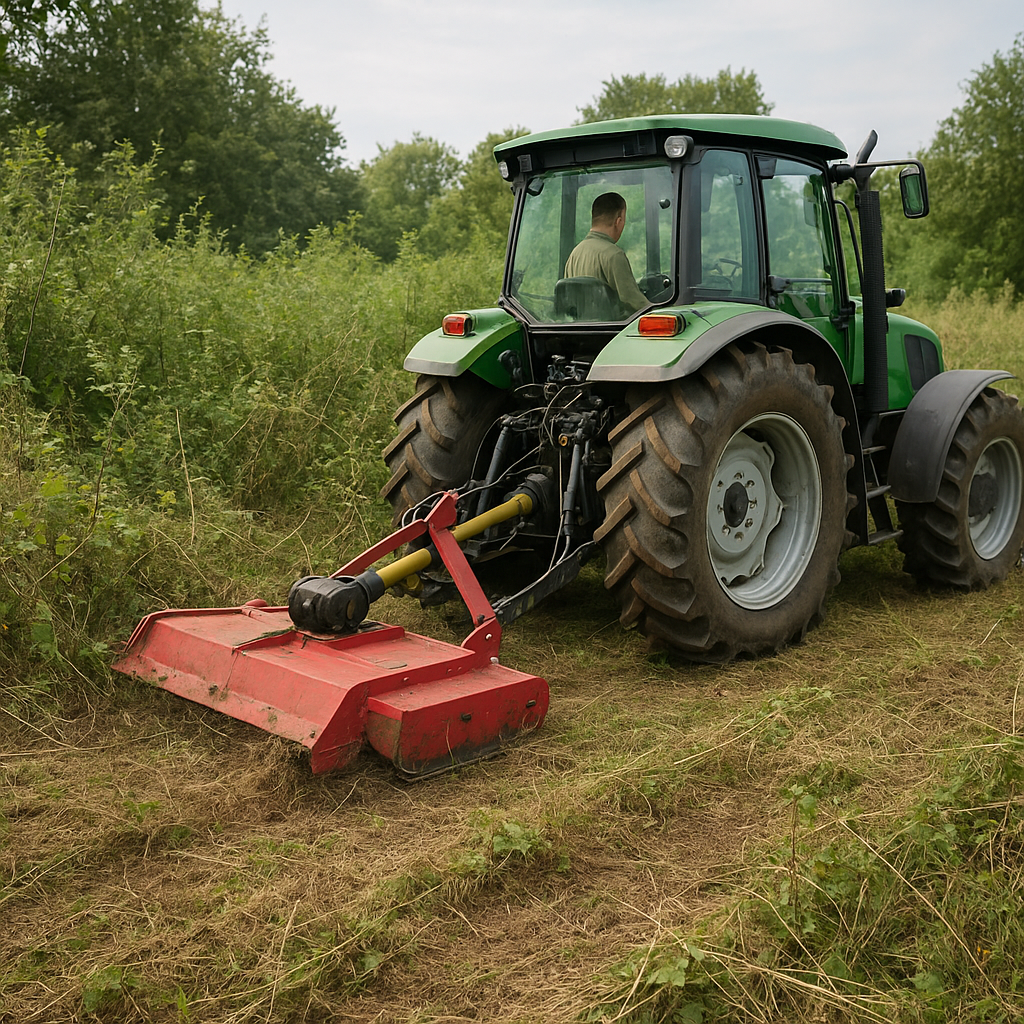
Tractor operators often encounter dusty fields, pollen-laden air, and chemical sprays that compromise cab air quality. Choosing the right air filtration system can dramatically improve operator comfort, protect delicate electronic controls, and extend the life of expensive machinery. This guide will walk you through essential considerations when selecting a cab air filter for your tractor, ensuring optimal performance under diverse farming conditions.
Selecting the Right Cab Air Filter
Understanding Filtration Standards
Air filters are rated by their ability to trap particles of various sizes. Look for filters compliant with ISO 5011 standards, which define test protocols for measuring efficiency, airflow, and dust-holding capacity. A higher efficiency rating indicates superior removal of contaminants like pollen, dirt, and chemical aerosols. Filters may also carry MERV or HEPA classifications—while HEPA filters capture up to 99.97% of particulates at 0.3 microns, they can restrict airflow if not properly designed for heavy-duty tractors.
Balancing Airflow and Protection
Effective filtration must strike a balance between trapping harmful particles and maintaining adequate airflow for ventilation and climate control. Overly restrictive filters may strain the cab’s HVAC system, leading to reduced cooling, increased energy consumption, and potential motor wear. Seek filters engineered with pleated media or multi-layer designs that provide high dust capacity without sacrificing cabin pressure.
Key Factors to Consider
- Dust Load: Evaluate the typical particulate concentration in your operational environment. Farms harvesting grain will generate different challenges than orchards or vineyards.
- Allergen Control: Operators with sensitivities to pollen or mold benefit from filters with specialized allergy-grade media.
- Chemical Resistance: If you frequently apply pesticides or fertilizers, choose filters treated to resist chemical degradation.
- Service Interval: Determine how often you can inspect or replace filters. Extended-life filters can reduce downtime, but may require investment in more advanced materials.
- Compatibility: Confirm dimensions, mounting style, and gasket design match your tractor’s cab system. Incompatible filters may allow leaks of unfiltered air.
Filter Types and Technologies
Paper and Cellulose Media
Traditional filters use layered paper or cellulose fibers to trap particles. They offer a cost-effective solution for moderate dust levels but may clog quickly in intense conditions.
Foam and Synthetic Media
Synthetic foam filters deliver improved durability and can be washed and reused. Their open-cell structure offers lower pressure drop, though they may require regular cleaning to maintain efficiency.
Activated Carbon Inserts
For operators concerned about fumes from fuels, solvents, or pesticide sprays, activated carbon filters can adsorb volatile organic compounds (VOCs) and odors. These inserts are often paired with a primary particulate filter for dual protection.
Multi-Stage and HEPA Systems
High-end cabs may incorporate a multi-stage approach: a coarse pre-filter, a fine secondary media, and a final HEPA or ULPA filter. This combination ensures maximum trapping of both large and microscopic particles with minimal impact on airflow.
Maintenance and Replacement Guidelines
- Inspection Frequency: Check pre-filters weekly if working in extremely dusty environments; monthly inspections suffice in cleaner settings.
- Replacement Intervals: Follow manufacturer recommendations, typically every 250–500 operating hours. Look for visible clogging, tears, or chemical damage as signals for early replacement.
- Cleaning Procedures: Foam filters can be washed with mild detergent and water, fully dried, and re-oiled if required. Never attempt to clean paper media—replace it to avoid compromising filter integrity.
- Proper Disposal: Dispose of used filters according to local environmental regulations, especially if they have trapped agricultural chemicals.
Environmental and Operational Advantages
Installing an optimally designed cab air filter protects the operator’s health by reducing inhalation of dust and allergens. It also safeguards electronic controls and HVAC components from abrasive particles and corrosive chemicals. Improved air quality translates to less cab noise, lower dust accumulation on interior surfaces, and enhanced safety during long working hours.
Upgrading Your Filtration System
Retrofitting Older Cabs
Many older tractor models can be retrofitted with aftermarket filtration kits that include high-efficiency filters and sealing gaskets. These kits often provide a significant upgrade over stock systems without major modifications.
Integrating Sensor Technology
Advanced systems now incorporate sensor modules that monitor differential pressure across the filter and alert operators when service is due. Such real-time feedback helps maximize uptime and ensures the cab remains protected under fluctuating environmental loads.
Professional Installation vs. DIY
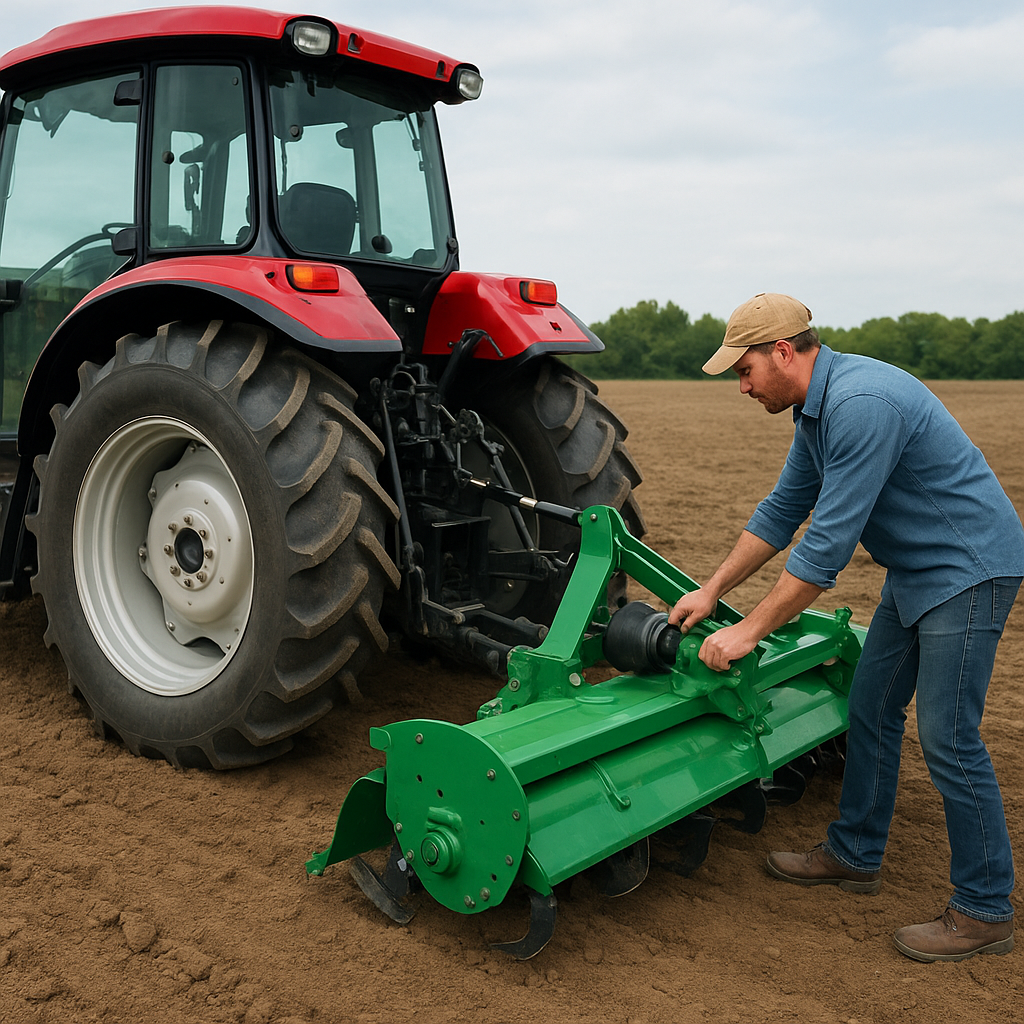
While basic filter swaps can be handled by farm crews, complex multi-stage or sensor-equipped setups may require professional calibration. Certified technicians ensure proper sealing, sensor alignment, and validation of performance according to industry standards.