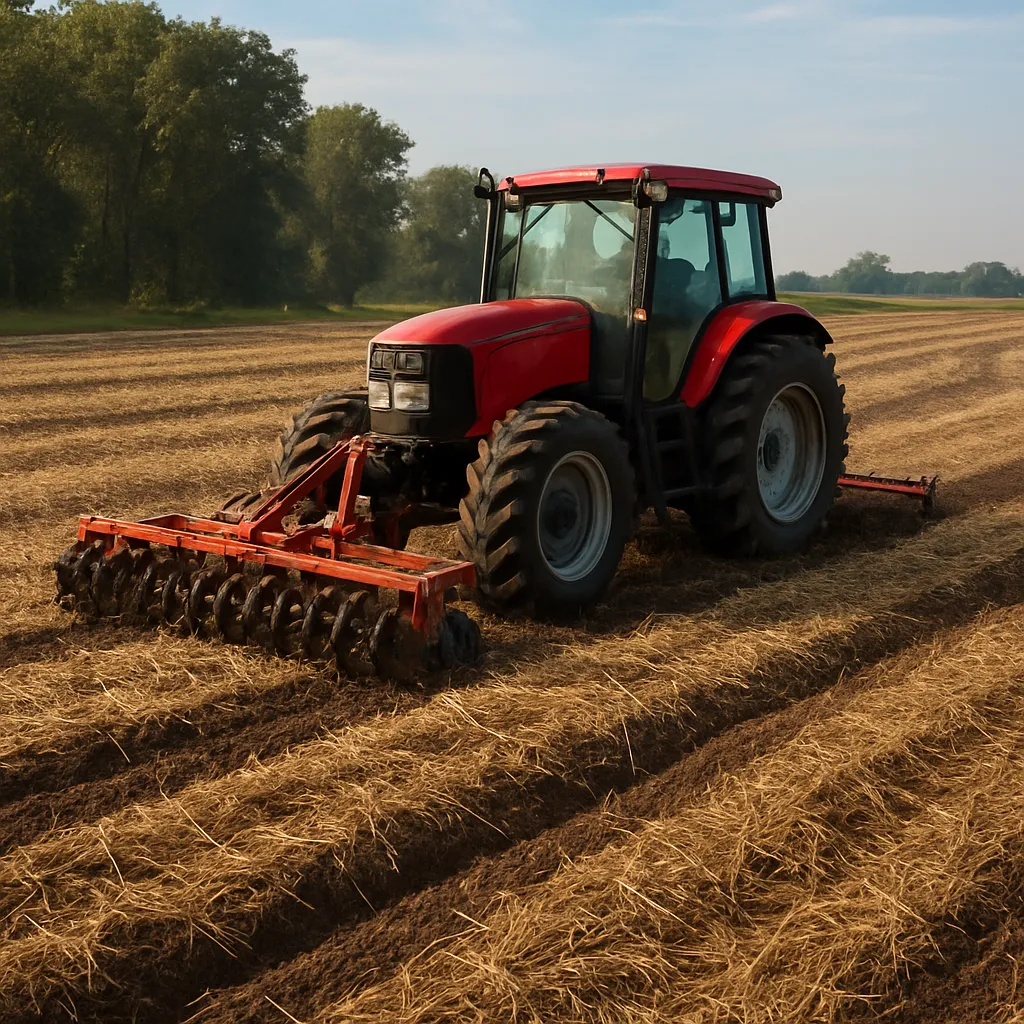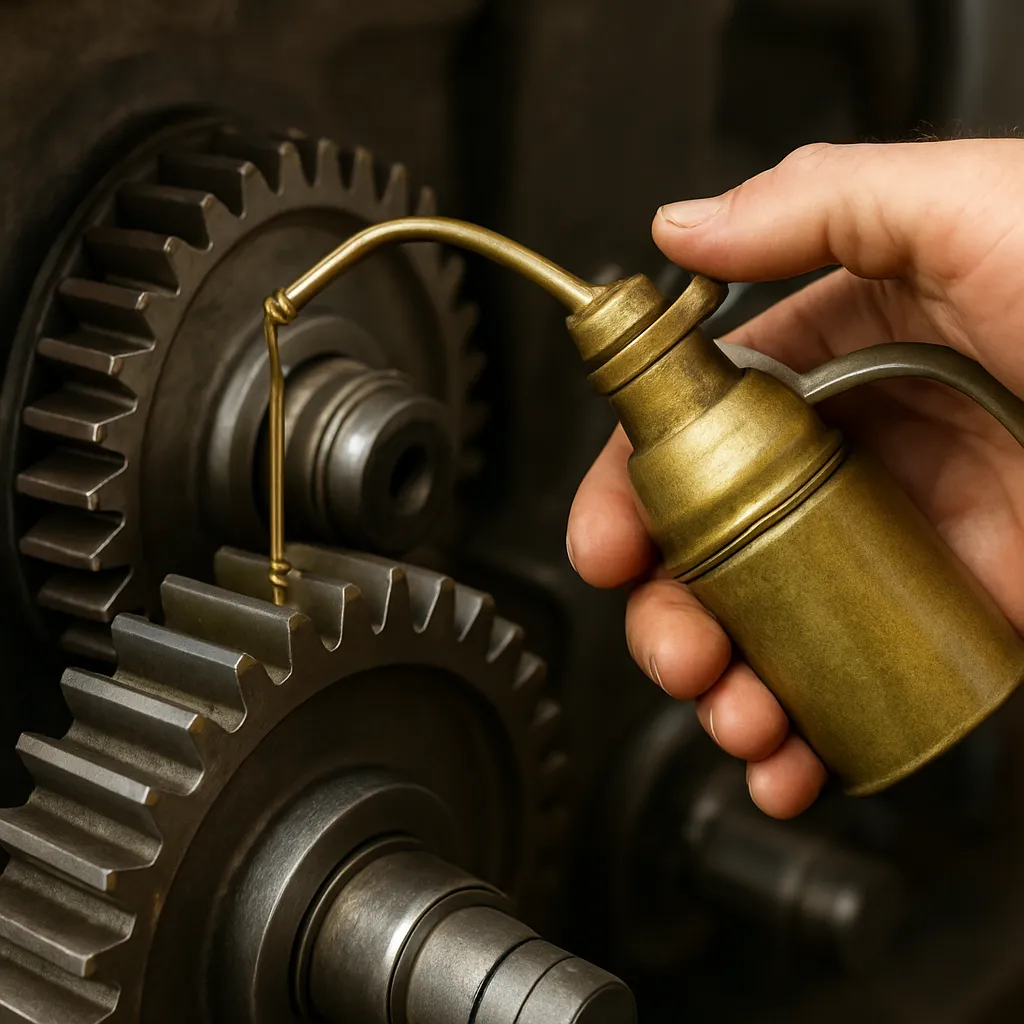
Proper lubrication is the foundation of every robust tractor operation, especially when it comes to high-load applications in agriculture, construction, or forestry. Understanding the nuances of applying the right lubricants, adhering to service intervals, and monitoring system health ensures optimal performance, reduced downtime, and extended component life. The following sections delve into critical aspects of tractor lubrication, offering practical advice, hands-on procedures, and advanced techniques to help you maintain your equipment at peak condition.
The Importance of Proper Lubrication in Tractors
Every moving part in a tractor—from the engine’s pistons to the gearbox gears—relies on a thin film of lubricant to minimize wear and manage heat. Without adequate lubrication, metal surfaces grind against each other, leading to accelerated fatigue and catastrophic failures. This film also helps control corrosion, flush out contaminants, and prevent harmful oxidation.
Key benefits of consistent lubrication include:
- Reduced friction between components
- Lower operating temperatures in critical areas
- Extended life of seals and gaskets
- Improved fuel economy and power delivery
Neglecting scheduled greasing or using the wrong oil grade can cause uneven wear, pitting on shafts, and premature failure of bearings, pumps, and hydraulic cylinders. In field conditions, dust and moisture further accelerate degradation, making disciplined lubrication practices essential for any serious tractor owner or operator.
Types of Lubricants and Their Applications
Selecting the right lubricant hinges on understanding the function of each subsystem and the environmental demands it faces. Common categories include:
- Engine Oils: Available in multiple viscosity grades, these oils protect the engine crankshaft, camshaft, and piston rings from wear and overheating.
- Hydraulic Fluids: Formulated for stable performance under high pressure, they ensure smooth operation of lift arms, loaders, and steering systems.
- Gear Oils: Featuring extreme-pressure additives, they safeguard transmissions and final drives against metal-to-metal contact.
- Multi-purpose greases: Typically lithium- or calcium-based, they excel at lubricating pivot points, U-joints, and chassis fittings.
Key considerations when choosing a lubricant:
- Ambient and operating temperatures—thin or thickened oils perform differently under heat stress.
- Water resistance—crucial for components exposed to rain, irrigation, or muddy terrains.
- Load capacity—ensures the lubricant can handle the high pressures in axles and planetary drives.
Consult the manufacturer’s manual for OEM specifications, but don’t hesitate to upgrade to synthetic blends if you’re seeking superior shear stability, reduced thermal breakdown, and prolonged drain intervals.
Best Practices for Lubrication Maintenance
Establishing a regimented schedule is vital to uphold the health of your tractor’s moving parts. Below are actionable maintenance steps you should integrate into your servicing routine:
1. Routine Inspection and Cleaning
- Before applying any lubricant, wipe fittings and surfaces with a lint-free cloth to remove debris.
- Inspect grease points for signs of leakage or buildup, replacing damaged seals and dust caps as needed.
2. Greasing Procedures
- Use a calibrated grease gun to avoid over- or under-application.
- Pressurize each zerks fitting until fresh grease visibly appears around the joint.
- Keep track of the number of pumps per fitting, adhering to OEM recommendations.
3. Fluid Checks and Oil Change Intervals
- Check engine and hydraulic fluid levels daily or before extended field operations.
- Change engine oil and replace filters at intervals specified by the manufacturer; elevate intervals based on heavy usage or extreme climate.
- Record every oil change to maintain a reliable service history for warranty or resale purposes.
Consistent maintenance prevents minor issues from escalating into costly repairs. Implement color-coded tags or digital reminders to ensure no lubrication point is overlooked.
Monitoring and Advanced Techniques to Extend Component Lifespan
Beyond routine greasing and oil changes, modern tractors benefit from condition monitoring and innovative solutions that push reliability to new heights. Consider the following advanced practices:
Oil Analysis and Condition Monitoring
- Periodic sampling of engine and hydraulic fluids helps detect contamination, metal particles, or additive depletion before major damage occurs.
- Partner with a certified lab to interpret wear-metal concentrations and recommend proactive measures.
Automated Lubrication Systems
- Install a centralized automatic lubricator that delivers metered grease or oil to multiple points, reducing downtime and human error.
- Ensure the system reservoir is refilled with high-quality grease compatible with existing components.
Sealing and Surface Treatments
- Upgrade to upgraded elastomer or PTFE-based seals that resist extrusion and chemical attack.
- Apply hard-facing coatings on shafts and journals to enhance wear resistance.
Synthetic Lubricant Adoption
- Synthetic oils and greases offer exceptional low-temperature pumpability and high-temperature stability.
- They often extend drain intervals by 2–3 times compared with conventional fluids, boosting overall efficiency.
By embracing these techniques and leveraging data-driven insights, you transform routine lubrication into a strategic asset. Such measures reduce unplanned downtime, optimize fuel consumption, and maximize the operational life of critical components like hydraulic pumps, transmissions, and wheel bearings. Ultimately, a comprehensive lubrication strategy enhances the tractor’s performance and delivers unmatched return on investment in any demanding agricultural environment.