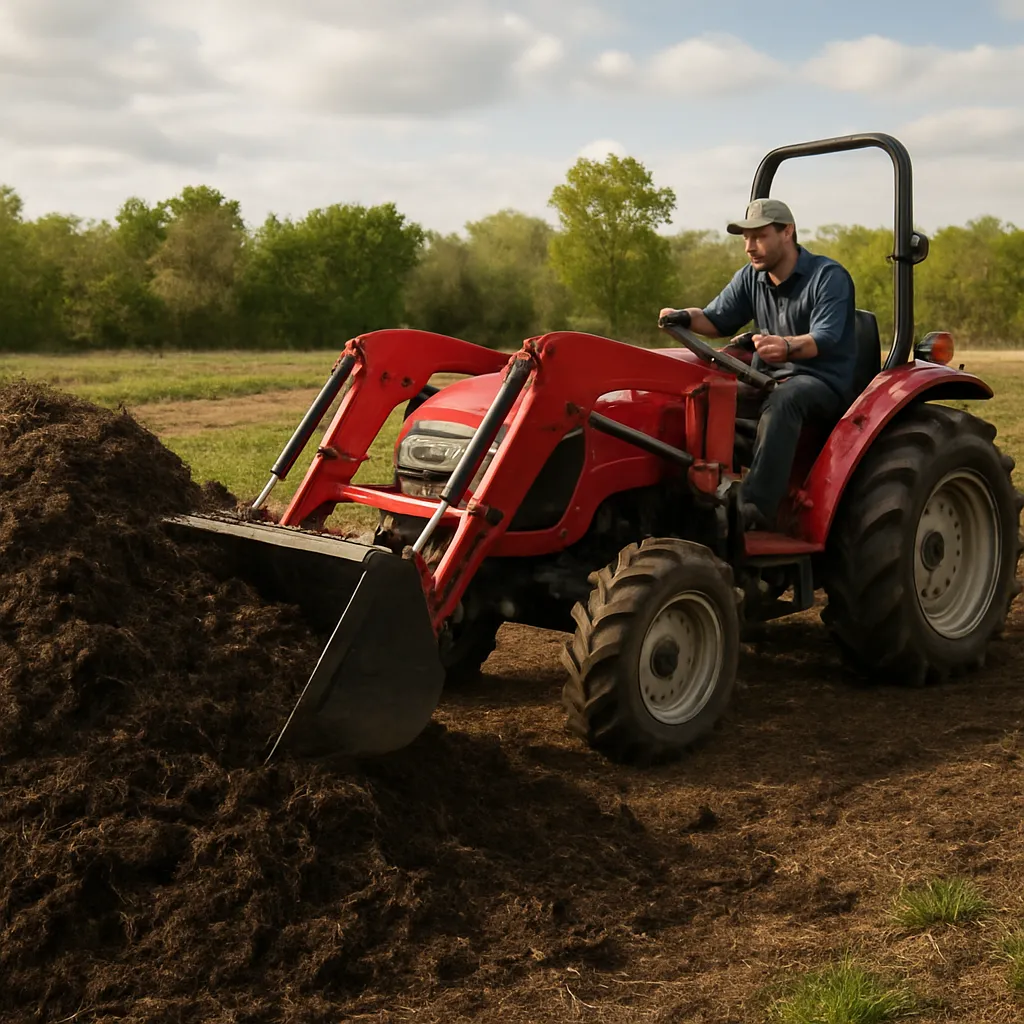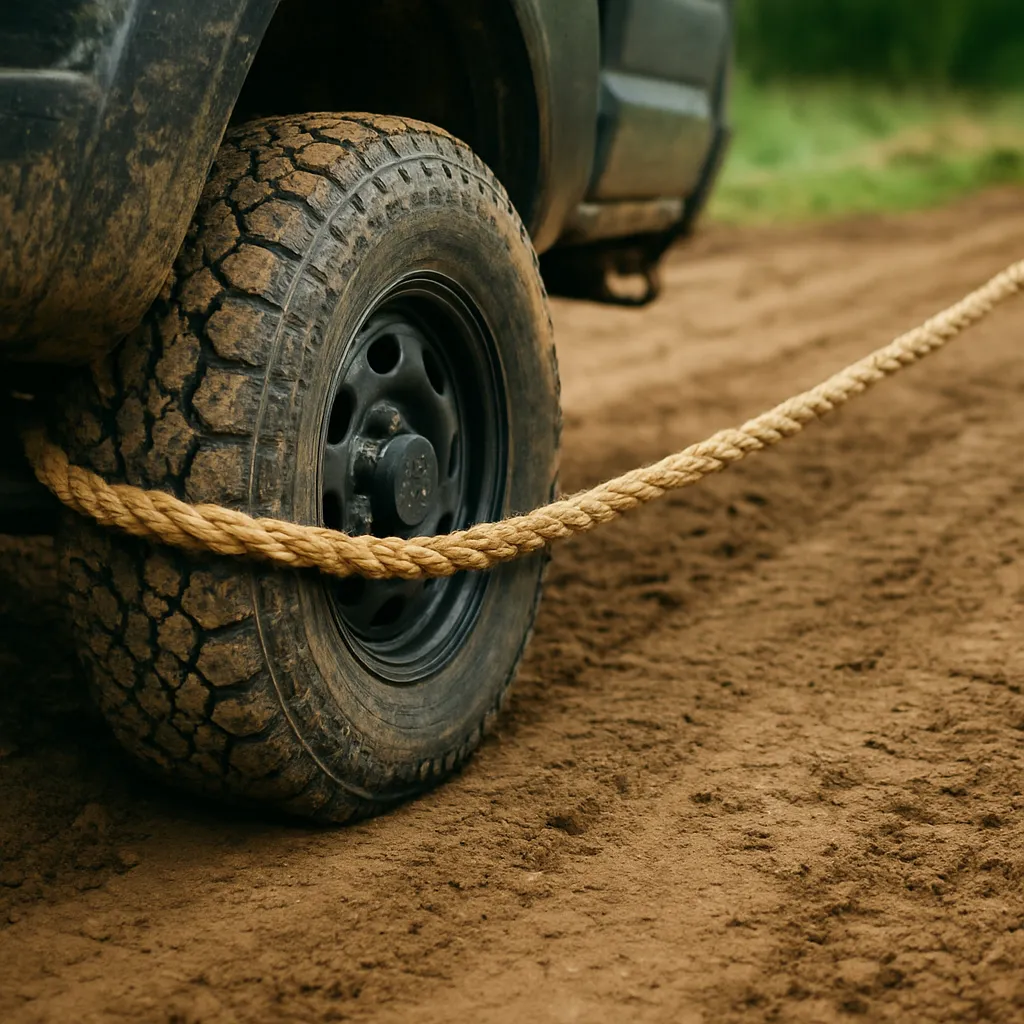
Heavy pulling tasks challenge even the most robust tractors on uneven terrain. Maximizing traction involves a combination of proper equipment selection, precise adjustments, and attentive maintenance. This guide offers practical insights into optimizing your tractor’s performance during demanding operations.
Understanding Soil Conditions and Their Impact
Soil Texture and Structure
Different soil types—from sandy to clayey—affect how a tractor’s tires interact with the ground. Sandy soils can lead to excessive slippage, while clay soils promote strong adhesion but risk compaction. Loamy soils often provide a balance, offering moderate resistance without severe rutting.
Moisture Content
Soil moisture plays a pivotal role in traction. Excessively wet soil becomes slick, reducing grip and increasing the likelihood of bogging. Conversely, overly dry conditions can turn soil into loose dust, again decreasing adhesion. Monitoring moisture and choosing optimal working windows prevents energy loss and excessive tire wear.
Soil Compaction
Repeated heavy loads compress soil particles, creating a hardpan layer that hinders root growth in crops and reduces surface roughness. Maintaining minimal passes and using controlled traffic farming can help mitigate compaction and preserve peak traction.
Enhancing Tire Performance for Heavy Pulling
Selecting the Right Tire Type
Choosing tires designed for heavy-duty applications is crucial. Key options include:
- R-1 Agricultural Tires: Aggressive lugs for deep soil penetration
- R-2 Wetland Tires: Specialized for soft, saturated fields
- R-3 Industrial Tires: Reinforced sidewalls to resist punctures on hard surfaces
Optimal Tire Pressure
Adjusting air pressure directly influences the tire’s contact patch. Lowering pressure increases surface area and flotation but risks sidewall damage under heavy loads. Conversely, excessive pressure reduces footprint, concentrating force in a smaller area and increasing soil disturbance. Consult the tractor’s manual and implement field trials to find the ideal pressure range for your tasks.
Tread Pattern Maintenance
Worn tread diminishes traction by reducing soil engagement. Regularly inspect lugs for wear and debris accumulation. Key maintenance steps include:
- Removing stones lodged between lugs
- Re-grooving minor tread wear where feasible
- Replacing tires once lug depth drops below manufacturer specifications
Adjusting Tractor Weight and Ballast Configuration
Importance of Front-to-Rear Balance
Tractors pulling heavy implements may experience weight transfer toward the rear, leading to front wheel lift. Proper front ballast ensures front tires maintain ground contact, improving steering control and reducing the risk of overturning. Use adjustable front weights or liquid ballast systems to fine-tune balance.
Ballast Options
Different ballast types serve unique purposes:
- Cast Iron Weights: Provide fixed mass, ideal for consistent loads
- Liquid Ballast: Flexible during transport; filled or drained as needed
- Wheel Weights: Snap-on weights for rapid adjustment in the field
Dynamic Weight Management
As implements dip or rise with uneven terrain, the forward-leaning or rear-loaded setup can shift traction. Employ an active ballast strategy:
- Monitor implement depth sensors to adjust ballast on-the-go
- Use tire chains or tracks that adapt to changing loads
- Consider dual-wheel or wide-flotation options to distribute weight evenly
Operational Techniques and Preventive Maintenance
Proper Hitch Height and Angle
Setting the hitch height at the manufacturer-recommended level ensures the implement applies downward force on the tractor’s front axle. Too high a hitch lifts the front, reducing steering traction; too low a hitch can overload the front, causing tire spin. Maintain the correct pitch to optimize stability.
Smooth Throttle Management
A sudden application of throttle may cause wheels to break loose, while too gentle an approach extends work time and increases fuel consumption. Employ gradual throttle increases to match ground conditions, minimizing power spikes that lead to slippage and fuel wastage.
Routine Inspection and Upkeep
Regular checks are key to sustaining peak performance:
- Examine hydraulic systems for leaks that affect pulling force allocation
- Inspect drivetrain components, such as the transmission and final drives, for wear
- Ensure proper lubrication of moving parts to maintain consistent performance
- Verify belt tension and replace cracked or frayed belts promptly
Advanced Solutions for Extreme Conditions
Implementing Dual Tracks or Quad Tracks
Track systems drastically lower ground pressure, offering superior flotation on soft soils. Dual-track setups provide redundancy and better load distribution, while quad tracks maximize ground contact for the heaviest tasks.
GPS-Guided Autosteering
Modern autosteering solutions maintain straight lines during pulling operations. Consistent passes prevent erratic weight distribution, reducing soil disturbance and improving overall efficiency.
Use of Differential Locks and Traction Control
Engaging differential locks ensures power distribution to both wheels on an axle, essential for navigating irregular terrain. Traction control systems automatically modulate engine output and braking to prevent wheel spin, enhancing torque delivery to the ground.
Cost-Benefit Considerations
Investment vs. Productivity Gains
Upgrading tires, ballast kits, or installing advanced electronics demands upfront investment. However, reduced downtime, lower fuel costs, and increased throughput often justify these expenses within a few operating seasons.
Long-Term Soil Health
Optimizing traction not only boosts immediate pulling capacity but also minimizes negative impacts on soil structure. Healthier soils lead to better crop yields and sustainable land use, translating into greater profitability over time.
Safety and Operational Efficiency
Proper traction management reduces the risk of accidents, including tractor rollovers or loss of implement control. Enhanced safety protocols and operator training on traction best practices safeguard both personnel and equipment.