Proper care of a tractor’s gearbox ensures reliable performance in the field, reduces downtime, and extends the life of critical components. A well-maintained gearbox delivers consistent power, protects internal parts, and optimizes fuel consumption. This article explores key practices for preserving the integrity of your tractor’s transmission system through systematic inspection, conscientious lubrication, and timely troubleshooting.
Understanding Your Tractor’s Gearbox
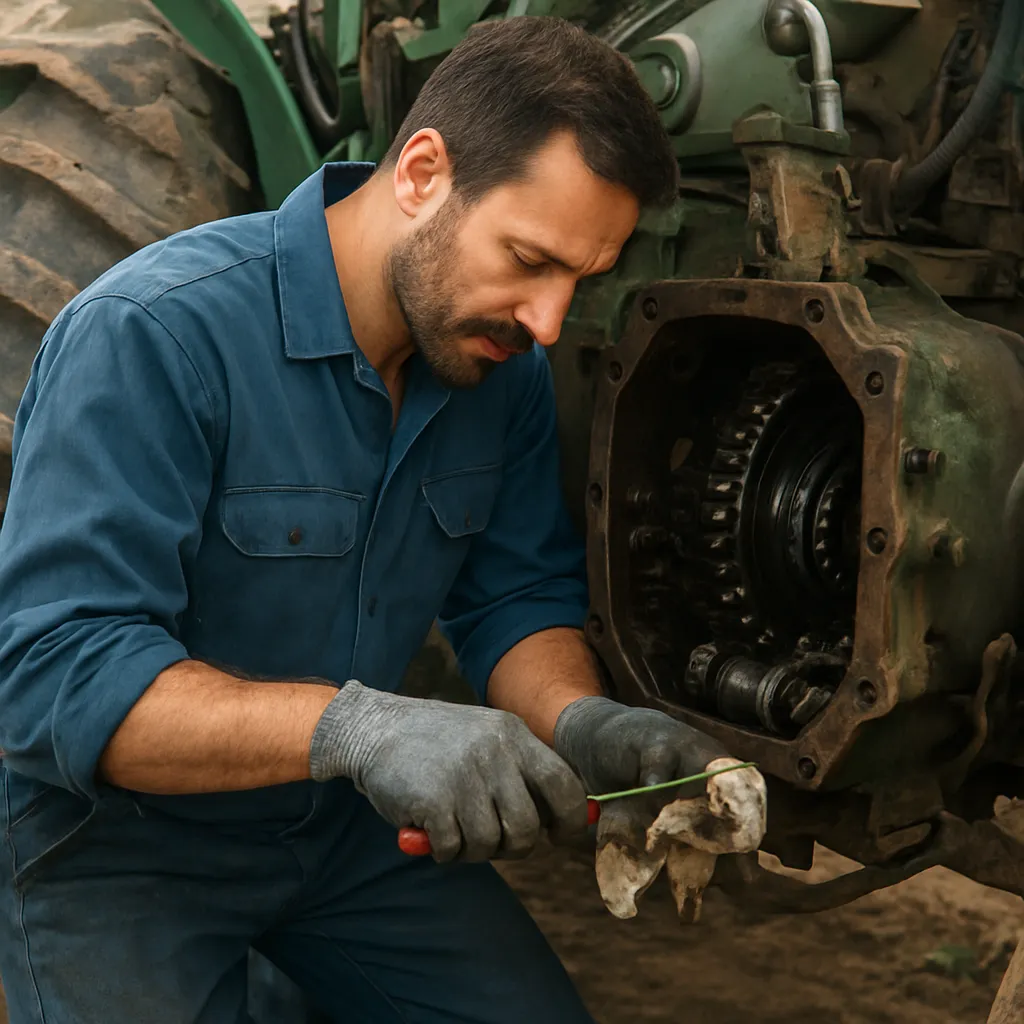
At the heart of every tractor lies a complex assembly of gears, shafts, and bearings designed to transfer engine power to the wheels. The gearbox transforms high-speed input into the torque needed to pull heavy loads or operate attachments. Familiarity with its basic layout enables you to spot potential issues early:
- Gear sets: Multiple pairs of gears engage to deliver different speed ranges, from low-speed plowing to high-speed transport.
- Synchromesh systems: Some tractors include synchronizers to smooth gear changes and reduce wear.
- Bearings and shafts: These components maintain alignment and support, absorbing radial and axial forces.
Understanding the role of transmission parts allows you to interpret warning signs such as unusual vibrations or shifting resistance. A clean housing and clear sight of external linkages are the first steps toward effective maintenance.
Routine Inspection and Lubrication
Performing regular checks is the most efficient way to catch developing faults before they become costly repairs. Follow these guidelines at predetermined service intervals:
- Check oil levels using the dipstick or sight glass. Low lubrication can cause overheating and accelerated gear wear.
- Inspect for leaks around gaskets and seals. Replace any component showing signs of seepage to prevent contamination.
- Examine the condition of filters. A clogged filter restricts oil flow, reducing protection for internal surfaces.
- Clean the exterior surfaces to discourage buildup of debris that can compromise cooling fins or ventilation ports.
Proper lubrication practices include using manufacturer-approved oil grades and changing fluids at specified hour or mileage intervals. Overfilling or underfilling a gearbox can both lead to dropped performance or mechanical damage. Always allow the unit to rest on level ground when measuring fluid levels.
Oil Analysis
Advanced operators may send oil samples for laboratory testing. Through chemical and particle analysis, you can identify wear metals, acidity levels, and contaminant presence. Early detection of elevated iron or copper traces signals potential damage to gears or bearings, allowing preventive action without disassembly.
Troubleshooting Common Issues
Despite proactive upkeep, tractors occasionally present gearbox maladies. Timely diagnosis and correction spare you from expensive downtime. Here are frequent problems and their remedies:
Grinding Noises
A harsh grinding sound during shifting often indicates worn or damaged gear teeth. Causes include inadequate lubrication, misaligned shafts, or failure of synchronizer rings. To address noise issues:
- Verify correct oil viscosity and top up if necessary.
- Check linkage adjustment to ensure precise gear engagement.
- Inspect gears for chipped or broken teeth and replace affected parts.
Leaking Fluid
Oil stains under the tractor or wet patches around joint faces point to deteriorated gaskets or gaskets and seals. Fluid loss leads to increased friction and heat. Steps to resolve leaks:
- Identify the leak source by cleaning surfaces and observing new seepage.
- Remove damaged seals, apply the correct sealant, and fit replacements according to torque specifications.
- Retighten housing bolts following the manufacturer’s pattern to avoid warping covers.
Slipping Gears
When a tractor unexpectedly jumps out of gear or fails to maintain drive, clutch wear or internal damage could be at fault. Investigate by:
- Adjusting clutch linkage or hydraulics to restore proper engagement pressure.
- Examining clutch discs and plates for glazing or heat damage.
- Ensuring shift forks and rails are free from bends or excessive wear.
Advanced Care and Professional Servicing
While many tasks can be performed on the farm, certain repairs demand specialized knowledge and equipment. Consider professional attention when:
- An overhaul of the entire gearbox is recommended by an oil analysis lab.
- Precision alignment of shafts fails despite home adjustments.
- Excessive backlash or endplay is detected beyond serviceable limits.
Certified technicians use specialized tools and follow detailed technical manuals to disassemble, inspect, and rebuild gear assemblies. They also perform load testing to verify that torque delivery meets specification. Investing in occasional professional service preserves your tractor’s resale value and maintains optimal efficiency in demanding work environments.
Maintaining your tractor’s gearbox demands diligence, the right supplies, and timely interventions. By combining routine inspection with proper lubrication, you safeguard critical components and ensure peak performance across seasons. Whether handling basic fluid changes yourself or enlisting professional help for complex repairs, a well-cared-for transmission translates into uninterrupted fieldwork and maximized return on investment.