Proper tractor tire pressure is a key factor in achieving peak field performance, reducing fuel consumption, and preserving soil structure. Maintaining the correct pressure not only extends the life of your tires but also contributes to better traction and overall efficiency on every operation.
Understanding Tire Pressure Basics
Every tractor model comes with a manufacturer’s recommended pressure range, usually expressed in PSI. Staying within that range ensures optimal contact between the tire and the ground. Over-inflation can lead to a hard ride, reduced traction, and accelerated wear along the center tread. Under-inflation, on the other hand, causes increased rolling resistance, higher fuel use, and uneven wear on the shoulder, diminishing tire longevity.
- Flotation: Lower pressure increases the footprint, distributing weight over a larger area. This reduces soil compaction and improves crop health.
- Durability: Correct inflation prevents sidewall flexing, minimizing heat build-up and the risk of tire damage during heavy-duty tasks.
Impact on Soil and Crop Yield
Properly inflated tires maintain consistent soil contact and uniform weight distribution. This balance prevents rutting and preserves the root zone, which is crucial for maximizing crop yield. Fields with compacted soil can suffer from poor water infiltration and reduced root growth.
Role of Temperature
Ambient and operating temperatures affect tire pressure readings. A tire’s PSI rises when it heats up in operation. For every 10 °F increase, pressure can go up by 1–2 PSI. Always measure before long runs and allow tires to cool for accurate baseline readings.
Tools and Techniques for Accurate Inflation
Investing in quality equipment helps you maintain precise tire pressure, avoiding guesswork in the field.
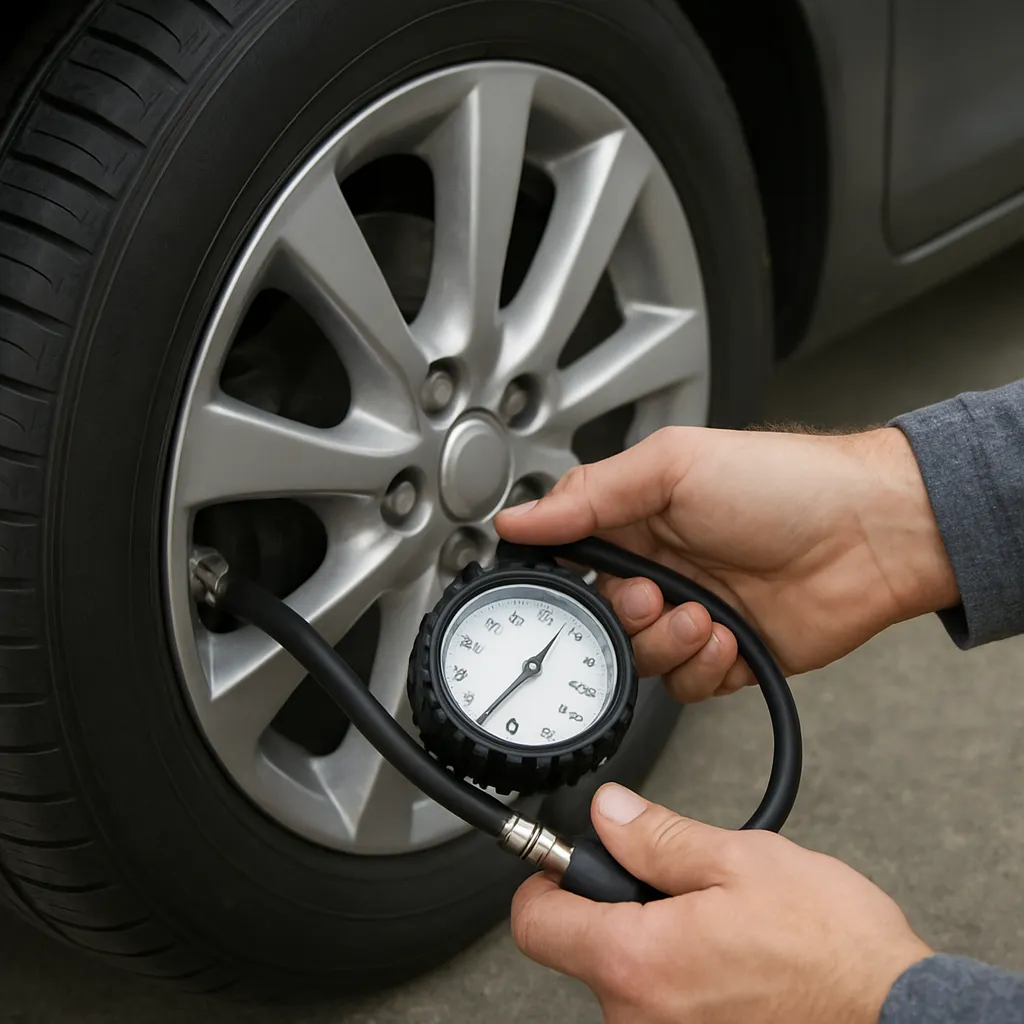
- Gauge: A heavy-duty digital or analog pressure gauge with a clear dial improves reading accuracy to within ±1 PSI.
- Inflation Equipment: Use a portable air compressor with a moisture trap and regulator valve to control airflow precisely.
- Central Tire Inflation System (CTIS): Allows on-the-fly adjustments from the cab, optimizing pressure for different field conditions without manual intervention.
Calibrating Your Gauge
Regularly verify gauge accuracy against a master gauge at a service center. Calibration every six months ensures readouts remain consistent, reducing the chance of damaging over- or under-inflation.
Central Tire Inflation Systems
CTIS technology automatically adjusts tire pressure using onboard air reservoirs. By selecting modes like “Field Work” or “Transport,” you achieve maximum performance—lower PSI for plowing and higher PSI for highway travel—without leaving the tractor cab.
Best Practices for Regular Monitoring
Routine checks are essential. A disciplined schedule prevents minor pressure variations from becoming serious issues.
- Maintenance Schedule: Inspect pressure before starting work, after refueling, and at the end of each day.
- Safety Inspections: Look for cuts, embedded stones, or sidewall bulges that can compromise tire integrity.
- Temperature Logging: Record ambient and tire temperatures to correlate PSI changes and build a reference chart for future checks.
Field Inspections
Walk around the tractor at intervals, visually checking tire alignment and even wear patterns. Uneven wear may indicate alignment issues, overloaded axles, or consistent under-inflation.
Record Keeping
Maintain a log of date, tire model, pressure reading, temperature, and any corrective actions. Over time, this data provides insights into seasonal pressure adjustments and tire replacement timing.
Advanced Strategies for Optimizing Pressure
Beyond standard guidelines, customizing pressure according to specific tasks can significantly boost productivity and fuel economy.
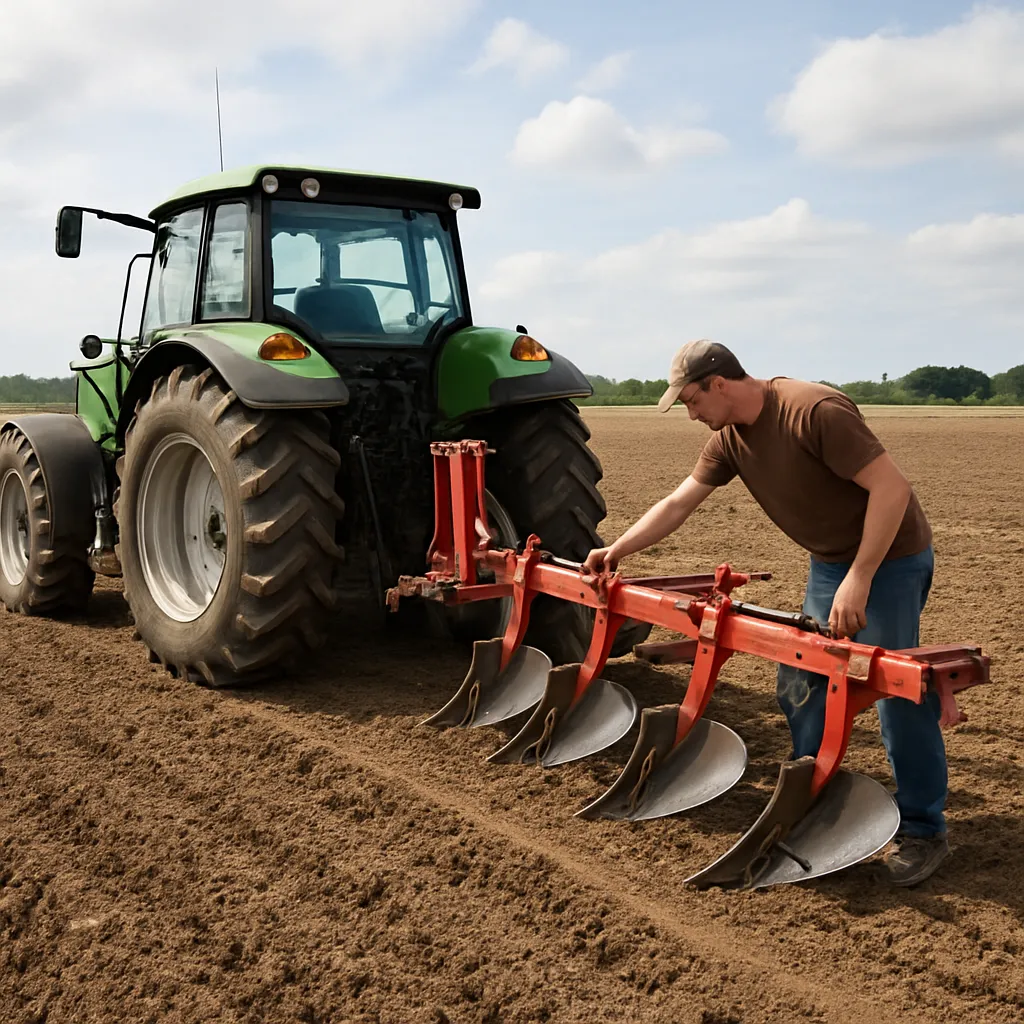
- Plowing and Tillage: Lower PSI (10–15% below recommendation) improves traction and reduces draft force on the implement.
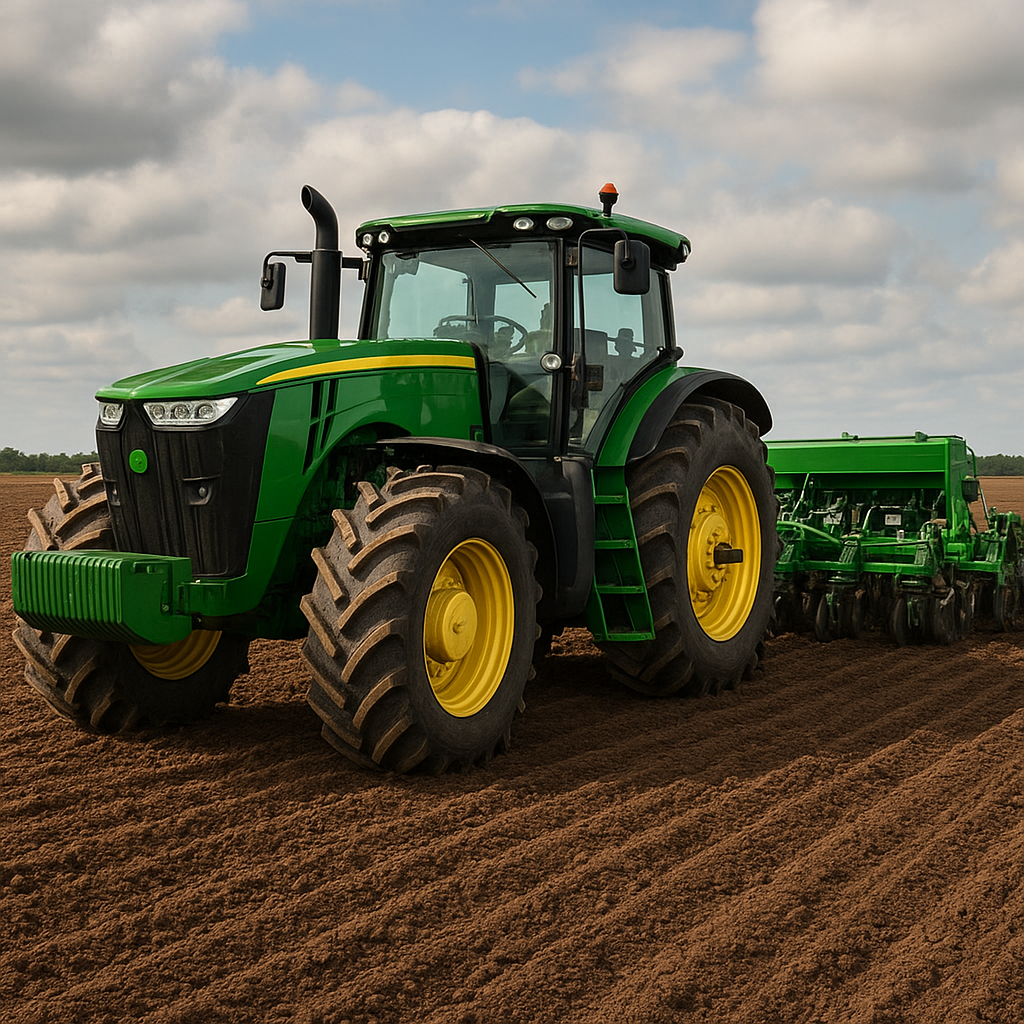
- Seeding and Planting: Slightly higher PSI for steady flotation, ensuring consistent planting depth.
- Harvest Transport: Maximum PSI for load support and reduced rolling resistance.
Adjustments for Implements
Attach front loaders or heavy rear implements? Inflate front tires a bit more to counter additional weight and prevent undue wear. For dual or triple wheel setups, match pressure across all tires to maintain balance.
Troubleshooting Common Issues
- Slow Leaks: Check valve stems and bead seats. Replace damaged valves and reseal the bead using approved tire mounting lubricant.
- Rapid Deflation: Inspect sidewalls for cuts or punctures. If irreparable in the field, carry a spare tube or emergency patch kit.
- CTIS Malfunctions: Verify air lines for obstructions and inspect seals on rotary unions. Routine cleaning prevents dirt ingress and system failures.
Implementing these practices ensures your tractor operates at peak capability, preserves tire life, and supports sustainable soil management. Regular attention to tire pressure is an investment in both machinery health and field productivity.