Selecting the ideal tractor involves striking the perfect equilibrium between raw power and operational efficiency. Farmers and contractors must consider engine capabilities, fuel consumption, versatility and long-term costs. This article explores the crucial factors that help match the right machine to specific agricultural or industrial tasks, ensuring maximum performance without sacrificing economy.
Understanding Key Performance Indicators
Before evaluating models, it’s essential to grasp the main metrics that define a tractor’s capabilities:
- Horsepower (HP): A primary measure of pulling and lifting capacity.
- Torque: Indicates the engine’s twisting force at various RPMs.
- Fuel efficiency: Liters or gallons consumed per hour under load.
- Hydraulic flow rate: Determines the speed and strength of implements.
- Transmission type: Powershift, CVT or manual shifting affect responsiveness.
Horsepower vs. Torque Dynamics
Horsepower provides a snapshot of maximum output, but torque reveals how the tractor handles heavy loads, especially at lower engine speeds. Machines with robust torque curves maintain consistent pulling force on slopes or in sticky soil, while high horsepower engines excel in speed-focused applications, such as baling or mowing large fields.
Evaluating Fuel Efficiency
Modern tractors often come equipped with advanced fuel injection and turbocharging systems. These features can boost efficiency by optimizing air-fuel mixtures and reducing wastage. Owners should study manufacturer specifications, but also consult field tests that measure real-world consumption under various tasks:
- Light tillage vs. heavy plowing.
- Continuous PTO operation versus intermittent use.
- Idle time during transport or setup.
Matching Tractor Specifications to Applications
Choosing the right machine depends on the intended use and working conditions. Overpowering a task leads to wasted fuel, while insufficient capacity slows operations and increases wear.
Field Work and Tillage
- Heavy plows and cultivators demand high traction and consistent torque.
- Optimal horsepower range: 100–200 HP for medium-sized farms, 200+ HP for large operations.
- Four-wheel drive enhances grip in uneven or wet terrains.
Haymaking and Forage
- Baling lines and mowers benefit from smooth power delivery.
- PTO speed stability matters more than peak output.
- Mid-range engines (80–150 HP) often achieve the best balance of economy and output.
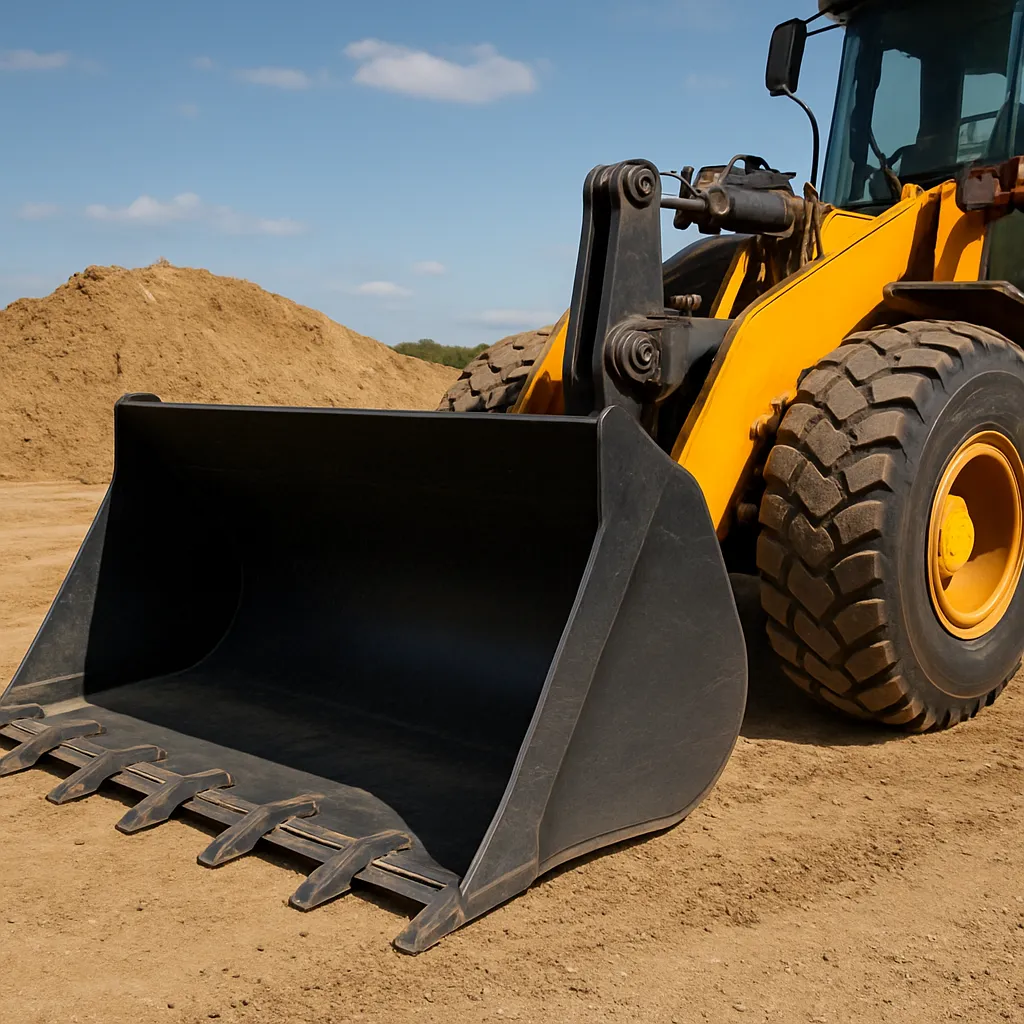
Transport and Loader Work
- Frequent speed changes require responsive transmissions like CVT.
- Hydraulic capacity determines bucket cycle times.
- Cab comfort and visibility aid long-duration loader tasks.
Balancing Fuel Economy and Emissions Compliance
Regulatory standards force manufacturers to reduce emissions while preserving performance. Selecting a tractor that meets Stage V or Tier 4 Final norms ensures:
- Lower particulate output.
- Reduced NOx levels.
- Improved fuel burn efficiency.
Technologies such as selective catalytic reduction (SCR) and diesel particulate filters (DPF) can slightly raise purchase costs but pay back through economy gains and potential tax incentives. Always verify maintenance needs, as frequent regeneration cycles may influence operational uptime.
Cost-Benefit Analysis and Total Cost of Ownership
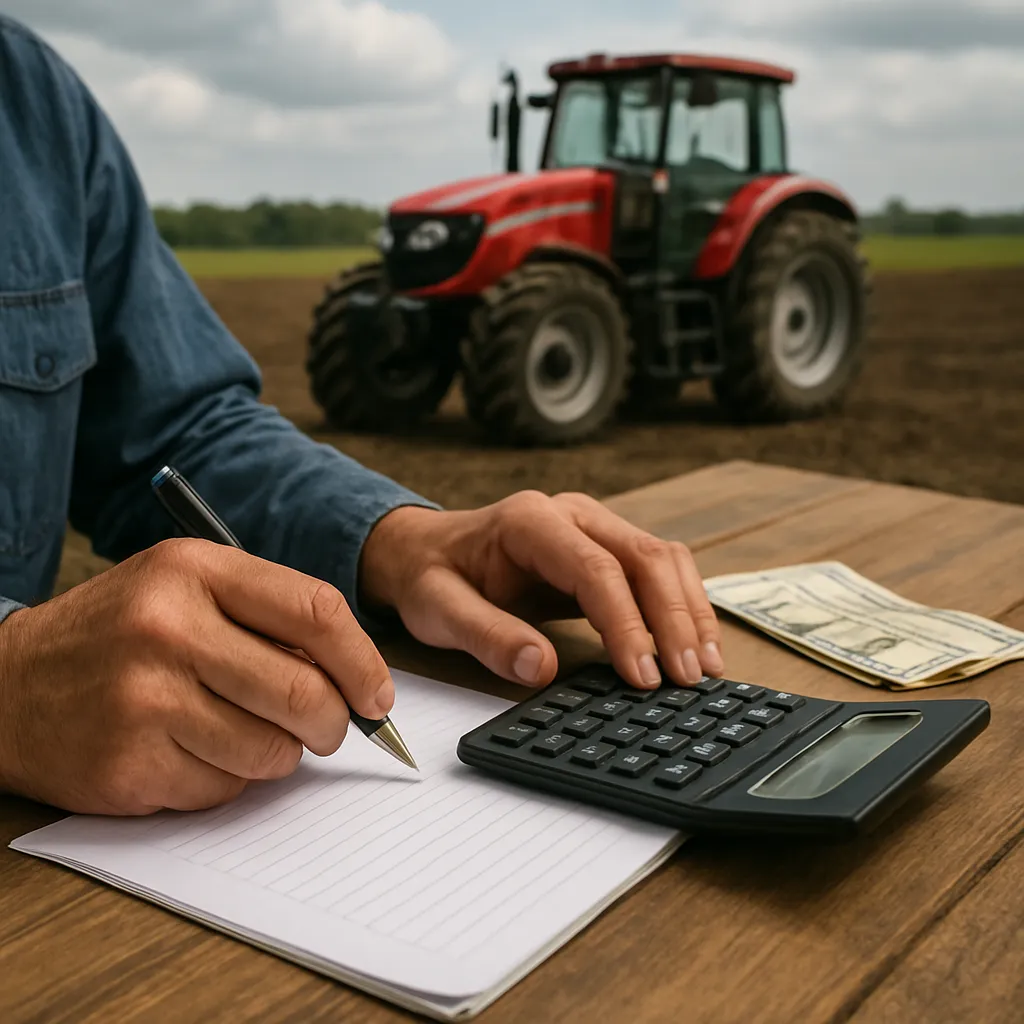
Beyond sticker price, calculate five-year ownership expenses:
- Fuel consumption under typical loads.
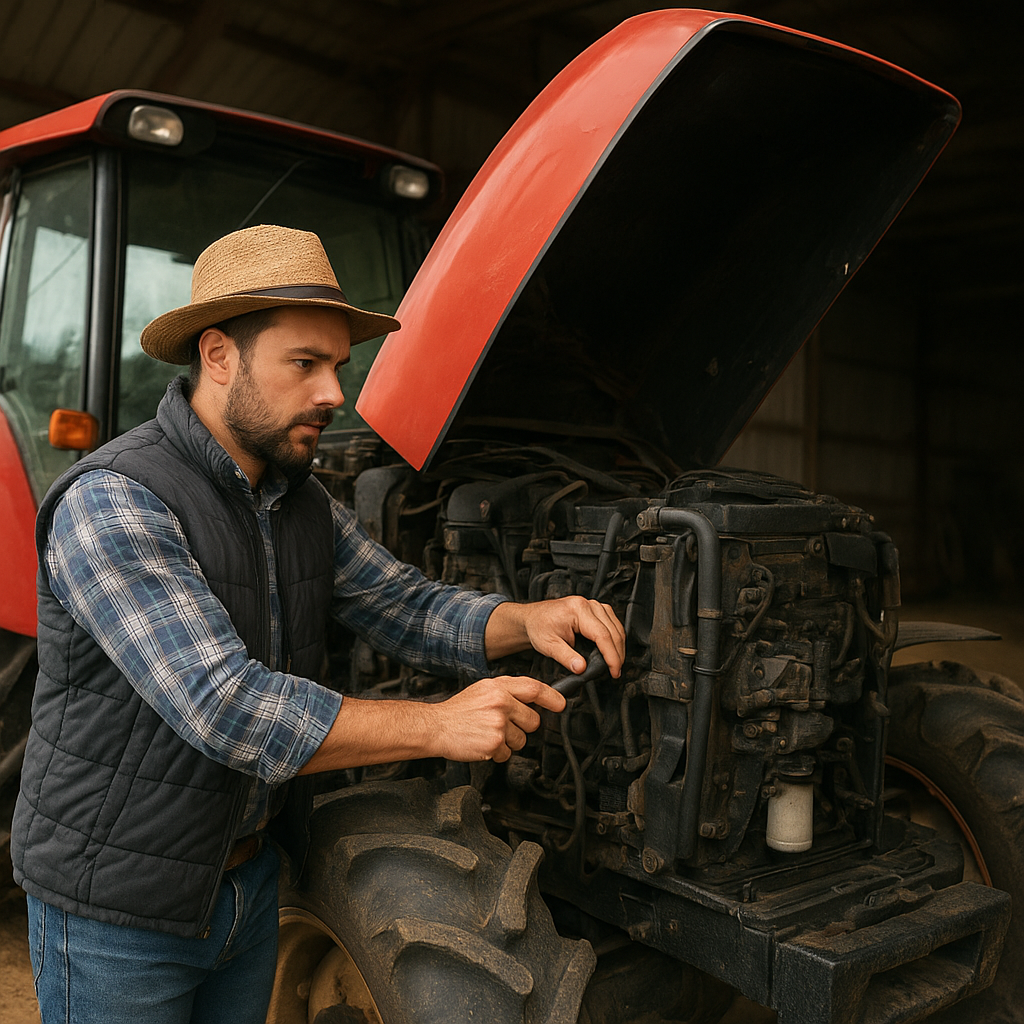
- Scheduled services: oil, filters, hydraulic fluid.
- Replacement parts: tires, belts, wear pads.
- Resale value influenced by brand reputation and remaining service life.
Higher initial investment in a premium tractor can yield lower lifetime expenses if it features superior durability and resale retention. Conversely, budget models might cut corners on hydraulics or cabin ergonomics, raising fatigue and downtime costs.
Innovations Driving Power and Efficiency
Recent advancements help producers capture both strength and thrift:
- Hybrid drivetrains: Combine diesel engines with electric motors for peak torque and regenerative braking.
- Precision agriculture integration: GPS-guided auto-steering reduces overlap and optimizes fuel usage.
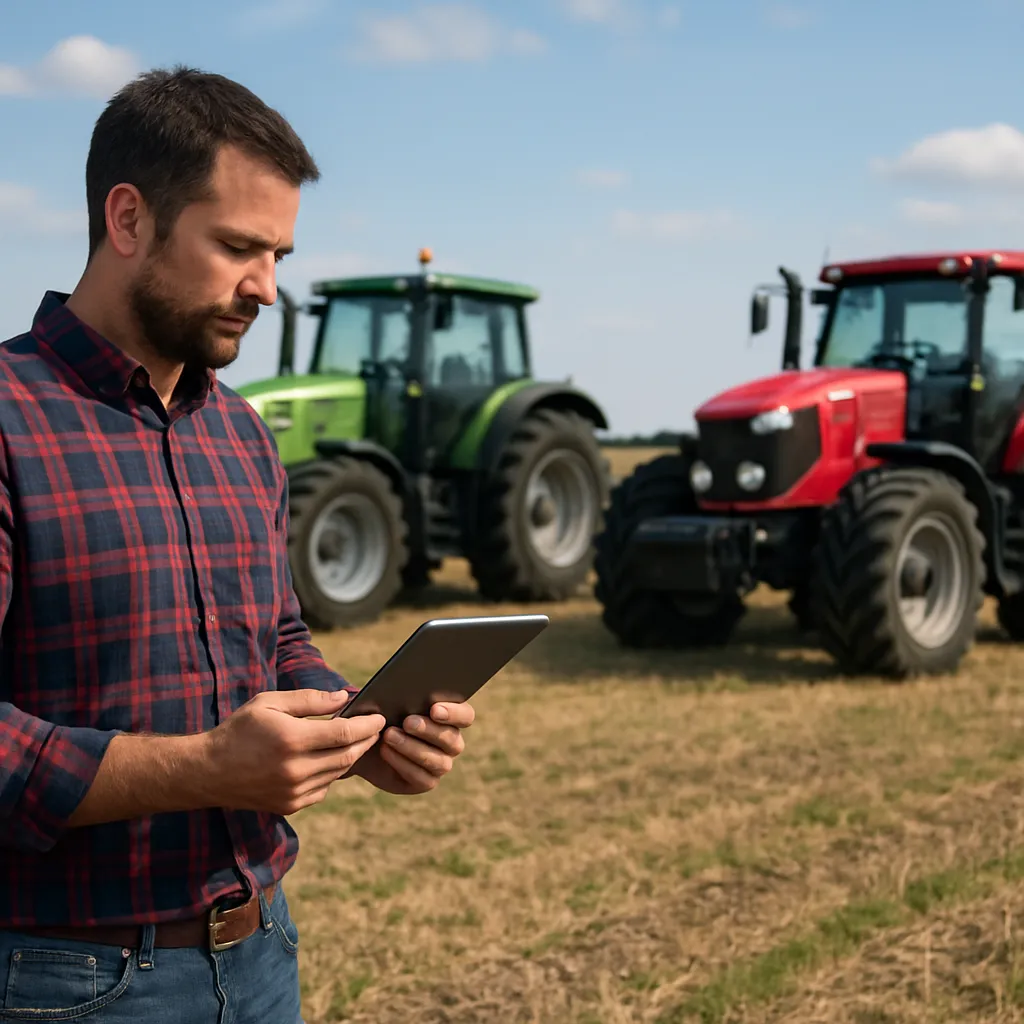
- Telematics monitoring: Real-time diagnostics prevent breakdowns and adjust engine mapping for varying soil conditions.
- Variable geometry turbochargers: Adjust boost levels dynamically to match load demands.
Hybrid and Electric-Assisted Tractors
While pure electric models remain niche, hybrid systems are gaining traction. They can store energy from hydraulic operations or slowing down, then redeploy it to assist the diesel engine during high-load phases. This cycle enhances efficiency and lowers peak emissions.
Precision Farming Technologies
Integrating implement control with engine management enables tractors to adapt RPM and hydraulic flow on the fly. For instance, during headland turns or approach to sensitive crops, power delivery tapers off to prevent compaction and reduce unnecessary fuel use.
Final Thoughts on Selection
Identifying the optimal tractor involves assessing both instant power requirements and long-term sustainability. By studying performance curves, real-world fuel metrics, total ownership costs, and emerging technologies, operators can secure machines that offer outstanding versatility, minimized downtime, and exceptional ROI.