The integration of modern agricultural machinery has been a cornerstone in transforming traditional farming practices. Among these advancements, the tractor stands out as a pivotal tool, reshaping everything from land preparation to post-harvest handling. This article explores the multifaceted role of tractors in enhancing productivity, fostering sustainability, and strengthening food security on a global scale.
Mechanization and Productivity Enhancement
Mechanization has revolutionized agriculture, enabling farmers to cultivate larger areas with greater speed and accuracy. The advent of the tractor marked a departure from manual labor and animal-drawn equipment, introducing unprecedented levels of efficiency.
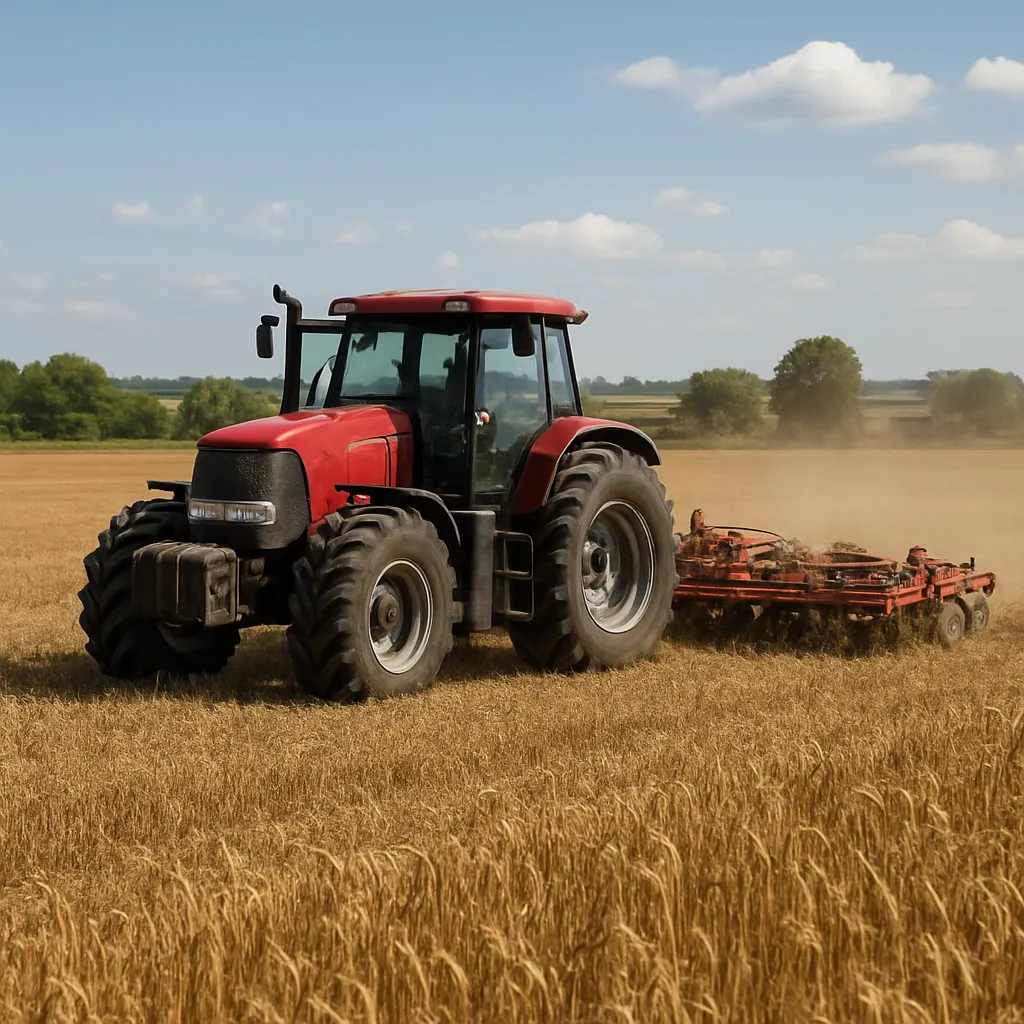
Land Preparation and Tillage
- Deep plowing and subsoiling to improve soil structure
- Primary and secondary tillage for uniform seedbeds
- Reduced labor hours compared to manual methods
With powerful engines and customizable implements, tractors can address diverse soil types and conditions. This adaptability supports consistent planting schedules, critical for meeting market demands and climate-driven deadlines.
Planting and Seeding Precision
Modern tractors often integrate with precision agriculture technologies, including GPS-driven guidance systems and variable-rate seeding equipment. These features minimize seed waste and ensure optimal plant spacing, directly impacting overall crop yield and resource use.
Economic Implications for Farmers
The acquisition of tractors involves significant capital investment, yet the long-term economic benefits frequently outweigh initial costs. By mechanizing labor-intensive tasks, farmers can allocate time and effort toward strategic decision-making and farm management.
Cost-Benefit Considerations
- Fuel and maintenance expenses versus labor savings
- Depreciation and equipment financing options
- Shared ownership models and cooperative purchasing
Smaller farms may benefit from rental services or cooperative ownership to access advanced machinery without bearing the full financial burden. Such arrangements can democratize access to innovation and enhance community-level resilience.
Market Competitiveness
Through improved efficiency, farms utilizing tractors can increase output and engage with larger markets. This scaling capability fosters better price negotiation and supply chain integration, reinforcing economic stability for agricultural producers.
Sustainability and Environmental Stewardship
While mechanization boosts output, it can also pose environmental challenges. Excessive tillage, compaction, and fossil fuel combustion are concerns that necessitate balanced approaches. Implementing best practices ensures the benefits of tractors do not compromise long-term ecological health.
Conservation Tillage and Soil Health
Soil conservation is critical for maintaining fertility and preventing erosion. Tractors equipped with no-till planters or cover crop terminators can reduce disturbance, fostering organic matter accumulation and moisture retention.
Emissions Reduction and Alternative Fuels
Advances in engine technology and alternative fuels, such as biodiesel or electric drivetrains, offer pathways to lower greenhouse gas emissions. These developments align with global efforts to address climate change while preserving the sustainability of agricultural systems.
Resilience in the Face of Global Challenges
Food systems worldwide face threats from extreme weather, population growth, and supply chain disruptions. Tractors play a key role in enhancing the resilience of these systems by enabling rapid response and adaptation.
Disaster Response and Recovery
- Clearing debris and preparing land after floods or storms
- Replanting and soil remediation using specialized attachments
- Transporting relief supplies in remote areas
By facilitating quick restoration of agricultural land, tractors help minimize downtime and reduce crop losses during crises.
Supporting Climate-Smart Agriculture
Integrating tractors with data-driven decision support systems allows farmers to react proactively to unpredictable weather patterns. Soil moisture sensors, coupled with guided irrigation equipment, ensure water is used judiciously, protecting crops and conserving resources.
Future Outlook and Technological Innovation
Ongoing research and development promise even more advanced tractor platforms. Autonomous tractors, robotic attachments, and AI-driven maintenance forecasting represent the next frontier in agricultural engineering.
Autonomy and Robotics
Self-driving tractors, equipped with machine vision and onboard computational power, can operate continuously with minimal human oversight. These systems reduce labor constraints and optimize field operations by executing precise, repeatable tasks.
Digital Integration and Farm Management
Connected tractors feed real-time performance data into comprehensive farm management platforms. Such integration empowers growers to make informed decisions on input application, harvest timing, and market strategies, further reinforcing overall productivity.
Social Impact and Capacity Building
The proliferation of tractors has social dimensions, influencing rural employment, skill development, and knowledge transfer. Training programs that teach safe operation, maintenance, and advanced application techniques are crucial for maximizing benefits.
- Workshops on equipment handling and preventive maintenance
- Extension services linking engineers with farmers
- Online platforms for sharing best practices and innovations
By fostering local expertise, communities can maintain machinery efficiently and adapt technologies to specific regional needs, supporting broader food system goals.