Establishing a systematic approach to tractor care is essential for maximizing uptime, improving performance, and extending the life of your equipment. A well-structured maintenance schedule not only prevents unexpected breakdowns but also ensures that each component operates at peak efficiency. By following a clear plan, farmers and operators can reduce repair costs and safeguard the productivity of their machinery.
Planning Your Maintenance Schedule
Creating a robust maintenance schedule begins with understanding the unique needs of your tractor fleet. Consider factors such as operating hours, field conditions, climate, and the age of each machine. The following steps will help you lay the groundwork for a reliable plan:
- Inventory all tractors and annotate their model, serial number, and hours of operation.
- Consult the manufacturer’s manual to identify recommended service intervals for oil changes, filter replacements, and inspections.
- Assess operating environments—dusty, wet, or muddy fields demand more frequent attention to filters, seals, and bearings.
- Design a calendar or digital reminder system that flags tasks at daily, weekly, monthly, and annual intervals.
- Allocate resources by stocking critical spare parts—filters, belts, hoses, and lubricants—to minimize downtime.
- Train operators on routine checks like fluid levels and tire pressure, ensuring issues are spotted before they escalate.
Key Maintenance Tasks
Engine Oil and Filter Changes
Regular oil changes are the backbone of any preventive maintenance strategy. Fresh oil reduces wear on moving parts, helps cool the engine, and prevents sludge buildup.
- Change engine oil every 100–250 operating hours, depending on load and environment.
- Replace oil filters at each oil change to maintain lubrication quality.
- Use manufacturer-approved oil grade to safeguard warranties and ensure peak performance.
Air and Fuel System Maintenance
Contaminants in air and fuel can lead to efficiency losses, increased emissions, and costly repairs. A regular cleaning and replacement regimen helps maintain combustion quality.
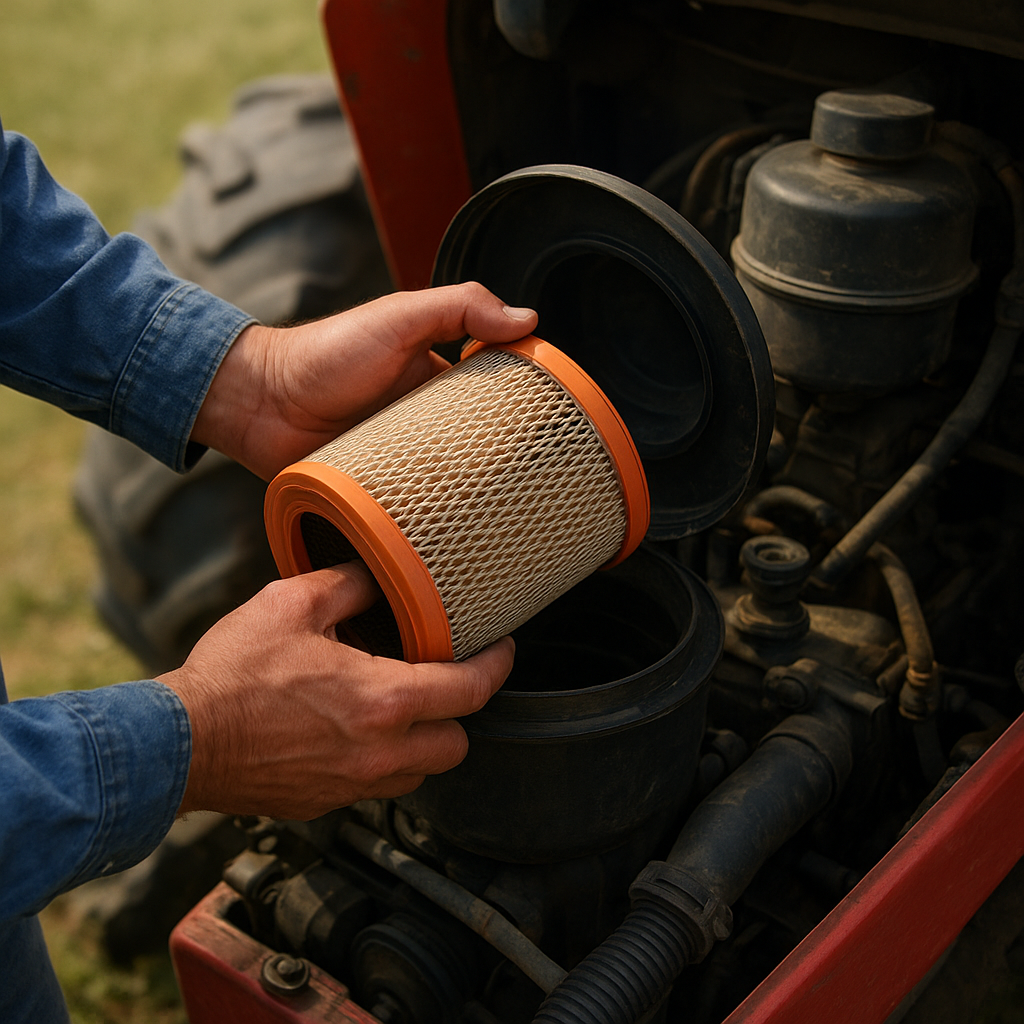
- Inspect air filters weekly; clean or replace them every 200 hours or sooner in dusty environments.
- Drain water separators and sediment bowls daily during humid or rainy seasons.
- Replace fuel filters at recommended intervals to prevent clogged injectors and stalling.
Hydraulic System Care
The hydraulic system powers implements and attachments, so its reliability is crucial. Contamination or low fluid levels can cause erratic performance and component damage.
- Check hydraulic fluid levels before each shift and top up as necessary with the specified fluid.
- Change hydraulic filters every 500 operating hours or per the manual.
- Inspect hoses and fittings monthly for signs of leakage, chafing, or cracking.
Cooling System Inspection
Overheating can irreversibly damage an engine. Keeping the cooling system in top shape ensures consistent operating temperatures even under heavy loads.
- Flush the radiator and replace coolant annually to prevent corrosion and scale buildup.
- Examine belts and hoses for wear and tension issues every 250 hours.
- Clean debris from around the radiator fins weekly to maintain airflow.
Greasing and Lubrication
Proper lubrication reduces friction and wear on joints, bearings, and linkages. A greasing chart helps operators apply grease to every zerks fitting at prescribed intervals.
- Grease all pivot points, steering joints, and hitch components every 50–100 hours.
- Use the correct type of grease (e.g., multi-purpose or heavy-duty lithium) as specified by the manufacturer.
- Keep a lubrication log to confirm that no fitting is overlooked.
Seasonal and Annual Inspections
Beyond routine checks, seasonal and yearly assessments uncover issues that develop slowly over time. Incorporate these into your schedule to catch wear before it leads to failure.
- At the start of each season, perform a full electrical check—battery charge, wiring harnesses, and lighting systems.
- Inspect the transmission and differential fluids annually and replace as needed.
- Test the PTO, 3-point hitch, and power steering system under load to confirm proper operation.
- Conduct a comprehensive safety inspection of ROPS, seat belts, and warning decals.
Record-Keeping and Continuous Improvement
Maintaining detailed records is vital for tracking the health of your fleet and optimizing your schedule over time. A combination of paper logs or digital maintenance software can serve this purpose.
- Log each service event with date, operating hours, tasks performed, and parts used.
- Monitor trends such as increased oil consumption or frequent filter changes to identify underlying issues.
- Use data to adjust service intervals—if a tractor operates in heavy mud, move up filter changes and grease points.
- Review invoices and repair costs quarterly to assess the cost-effectiveness of your preventive maintenance program.
- Train staff on the importance of accurate records to foster ownership and accountability.
Optimizing Your Maintenance Workflow
A streamlined workflow ensures tasks are completed on time with minimal disruption to farm operations. Consider these best practices when organizing your maintenance team and resources:
- Create a dedicated maintenance bay with proper lighting, tools, and safety equipment.
- Label storage for filters, oils, and lubricants to simplify inventory management.
- Assign clear roles—operators perform daily walk-arounds while mechanics handle in-depth services.
- Schedule downtime during off-peak periods to prevent operational bottlenecks.
- Conduct brief pre-shift meetings to review which machines require immediate attention.
Extending Tractor Longevity
A proactive maintenance schedule directly contributes to the long-term value of your equipment. By keeping every component in optimal condition, you minimize downtime, lower repair bills, and retain higher resale value when upgrades become necessary. Integrating these practices into your daily routine will cultivate a culture of reliability and efficiency that pays dividends season after season.