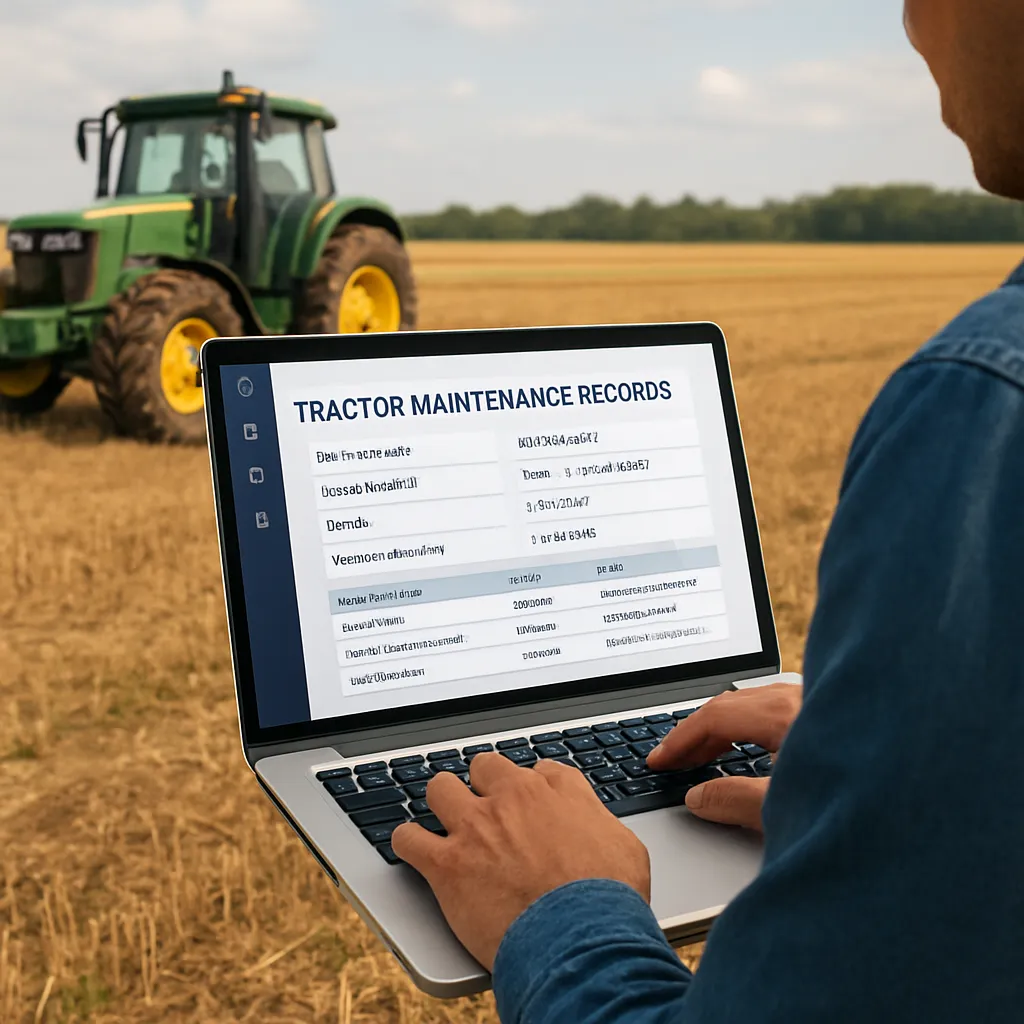
Managing and organizing maintenance records for tractors can dramatically transform how agricultural operations run. Leveraging modern digital tools allows farm managers, equipment operators, and service technicians to track servicing schedules, monitor equipment health, and optimize resource allocation. This article explores key strategies and considerations for adopting a digital maintenance records system tailored to tractor fleets.
Benefits of Digital Maintenance Records
Transitioning from paper logs to electronic solutions brings numerous advantages. Embracing digital systems delivers efficiency by reducing manual data entry and search time. It boosts productivity through automated reminders, fosters transparency among teams, and ensures consistency in record-keeping across multiple machines and operators.
- Immediate Access: Digital platforms provide on-the-spot retrieval of service histories via mobile devices or desktops.
- Automated Alerts: Set up notifications for oil changes, filter replacements, and seasonal inspections.
- Centralized Storage: Consolidate records for all tractors in one secure database.
- Data Analysis: Use built-in analytics to detect recurring issues and predict maintenance needs.
These features help reduce downtime, extend equipment lifespan, and optimize budgeting for parts and labor.
Selecting the Right Software Platform
Choosing an appropriate software solution requires evaluating your farm’s scale, technical capabilities, and budget constraints. Critical factors include:
- Accessibility: Ensure the platform supports offline data entry and syncs when connectivity is restored.
- Integration: Look for compatibility with GPS tracking, telematics, and accounting systems.
- Security: Confirm data encryption protocols, user access controls, and regular backups.
- Scalability: The system should handle growing fleets and expanded data volumes without performance loss.
- Customization: Tailor service checklists, parts catalogs, and reporting templates to your specific tractor models.
During the selection process, involve key stakeholders—mechanics, operators, and IT staff—to ensure the chosen platform meets practical needs and technical requirements.
Implementing a Digital System
Successful deployment hinges on structured planning and staff engagement. Follow these steps:
1. Data Migration and Setup
- Gather existing maintenance logs, equipment specs, and vendor warranties.
- Define data categories: inspection dates, part numbers, service costs, technician notes.
- Import historical records into the new platform using CSV imports or dedicated migration tools.
2. User Training
- Conduct hands-on workshops and create step-by-step guides for technicians and managers.
- Train users on mobile data entry, attaching photos of worn components, and generating reports.
- Establish a “help desk” or point of contact for initial troubleshooting.
3. Workflow Integration
- Align maintenance workflows with the digital system’s task scheduling and approval processes.
- Define roles: assign service requests to authorized personnel and set escalation rules.
- Implement barcode or RFID scanning for parts tracking and inventory control.
By following a clear rollout plan and addressing user concerns promptly, you can encourage adoption and minimize disruptions.
Best Practices for Ongoing Maintenance Management
Maintaining a robust digital maintenance program involves regular reviews and process refinement.
- Automation of repetitive tasks such as generating weekly service lists or invoice creation saves time.
- Use analytics dashboards to identify tractors with the highest downtime or repair costs.
- Schedule periodic audits to verify data accuracy and compliance with maintenance standards.
- Encourage feedback loops: technicians should report issues with workflows or software features.
- Maintain a digital parts library with up-to-date pricing, lead times, and preferred suppliers.
Regularly updating the system and training new staff ensures that processes remain aligned with evolving farm operations.
Enhancing Maintenance with Telematics and IoT
Integrating telematics and Internet of Things (IoT) devices elevates digital record-keeping to a predictive level. Onboard sensors can track engine performance, hydraulic pressures, and soil conditions in real time.
- Automated diagnostics trigger service requests when abnormal parameters are detected.
- Geo-fencing alerts warn if a tractor operates outside designated zones, enhancing security.
- Remote firmware updates streamline equipment calibration without a service visit.
Data from these connected devices feeds directly into the maintenance platform, enabling proactive upkeep and reducing unexpected breakdowns.
Common Challenges and Troubleshooting Tips
Implementing a digital maintenance system may encounter obstacles. Here are solutions to frequent issues:
- Connectivity Problems: Use hybrid solutions with offline caching to prevent data loss in remote fields.
- User Resistance: Showcase time savings and improved reliability to gain buy-in from reluctant operators.
- Data Overload: Apply filters and custom views so users see only relevant tractor records.
- Software Bugs: Maintain support contracts and update regularly to access bug fixes and new features.
Addressing these challenges promptly ensures the system delivers long-term value.
Future Trends in Tractor Maintenance Records
Emerging technologies promise to further revolutionize maintenance management:
- Artificial intelligence will automate fault detection and recommend repair steps based on historical patterns.
- Blockchain can secure maintenance histories, creating tamper-proof records for resale transparency.
- Augmented reality guides technicians through complex repairs with overlay instructions on smart glasses.
Staying abreast of these innovations helps farm managers plan upgrades and maintain a competitive edge in equipment servicing.