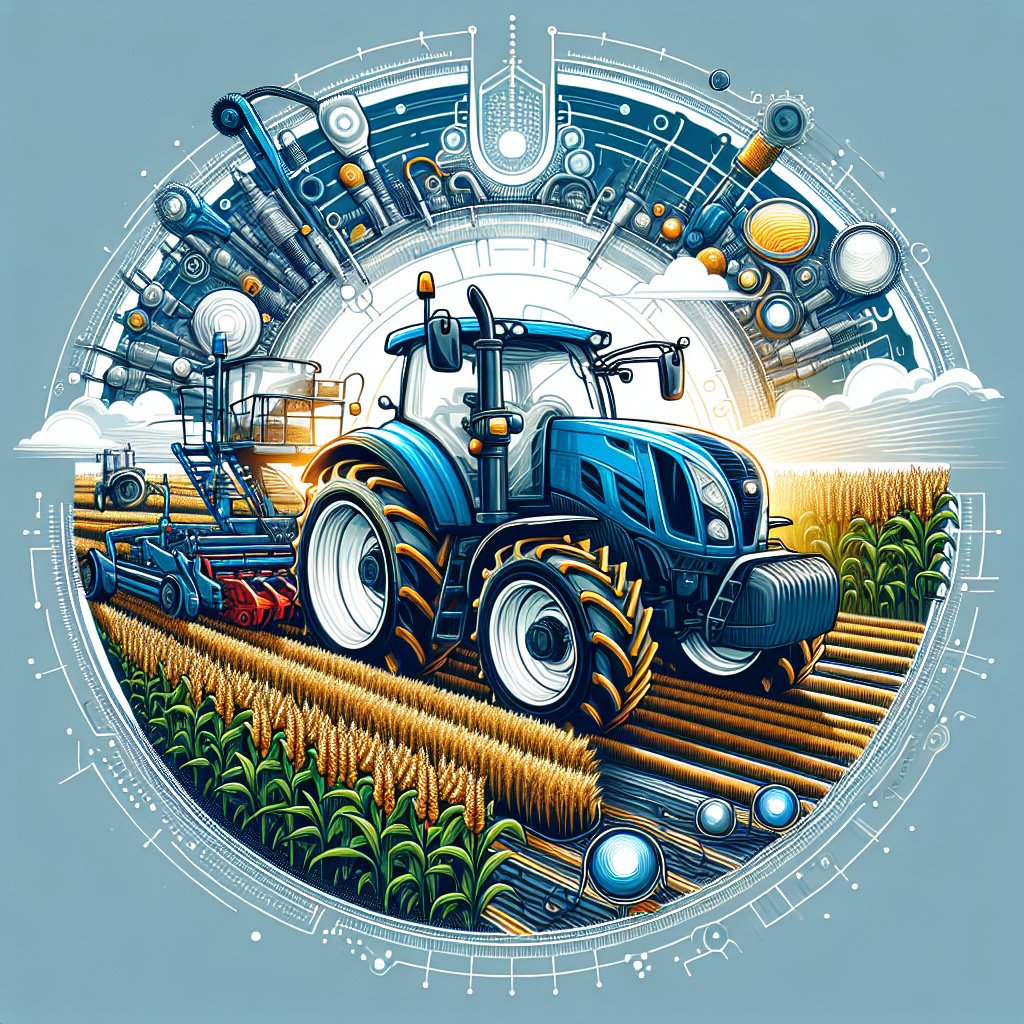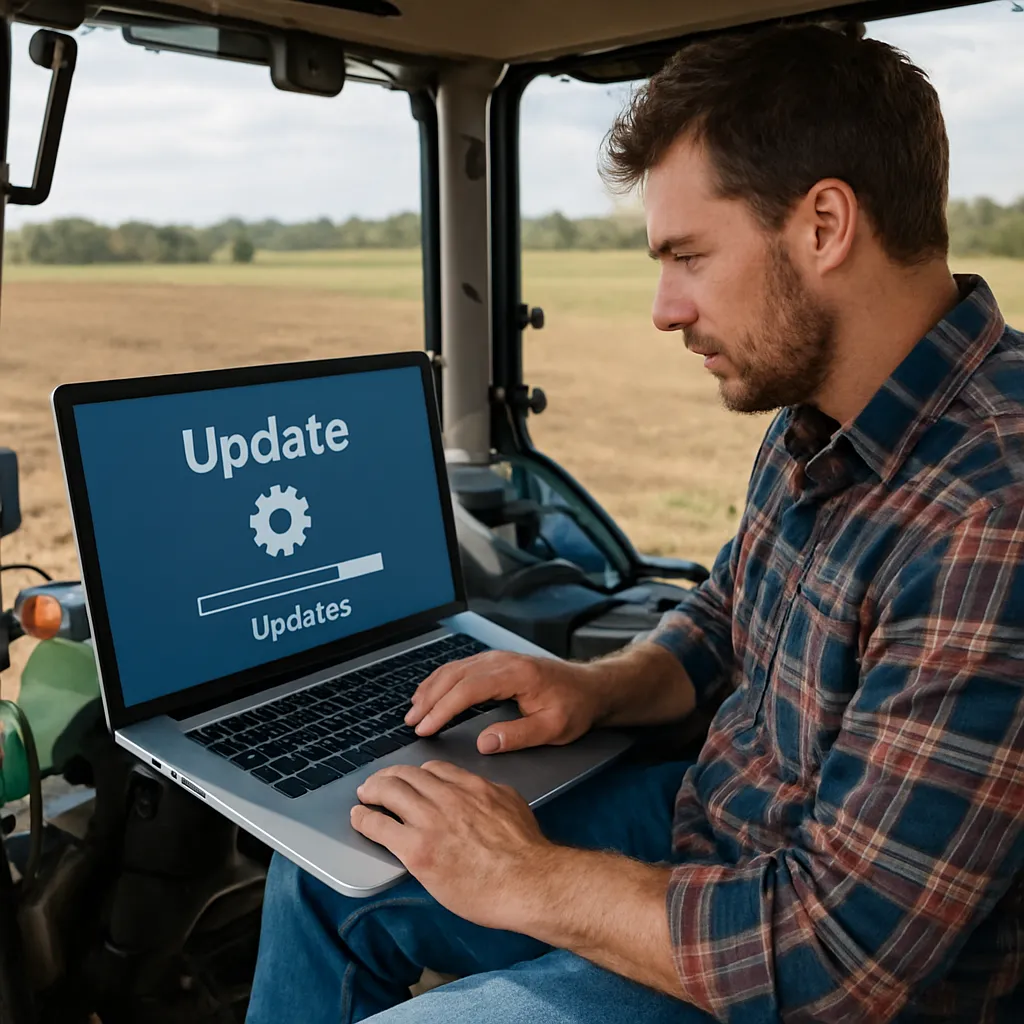
Modern agricultural operations rely on advanced digital systems embedded in tractors. By keeping the onboard software up to date, farmers can unlock significant efficiency and precision gains. Regular updates offer enhancements ranging from improved engine mapping to advanced diagnostics—and they pave the way for seamless connectivity with management platforms.
Enhanced Performance Through Firmware Updates
Tractor manufacturers continually refine their Electronic Control Unit (ECU) firmware to optimize engine management, fuel delivery, and hydraulic control. Deploying the latest software package can deliver measurable gains:
- Revised injection timing and pressure curves for better torque at low RPM
- Adaptive transmission shift schedules to reduce slippage and wear
- Improved mapping of hydraulic flow for precision implements
These adjustments translate directly into higher field productivity. For instance, a modern utility tractor receiving a major firmware upgrade may exhibit a 5–10% boost in overall performance, reducing time spent in the field and cutting fuel costs.
Over-the-Air Delivery
Many OEMs now offer Over-the-Air (OTA) update services via embedded telematics modules. This approach avoids dealership visits and saves labor hours. When a stable cellular or Wi-Fi link is available, the tractor’s ECU downloads the update package automatically:
- Secure authentication between tractor and server
- Delta updates that transfer only changed code segments
- Rollback capability if validation checks fail
OTA updates enable farmers to maintain peak optimization without interrupting busy planting or harvesting schedules.
Predictive Maintenance and Diagnostics
Real-time telemetry and remote diagnostics have revolutionized how maintenance is scheduled. Updated software modules deliver improved fault detection algorithms that analyze sensor data more accurately. Key advantages include:
- Early warning alerts for coolant temperature excursions
- Enhanced vibration analysis for drivetrain components
- Smart filters that self-report remaining service intervals
By harnessing these capabilities, fleet managers can implement a predictive maintenance strategy rather than reactive repairs. This shift reduces unscheduled downtime and minimizes costly field breakdowns.
Real-Time Alerts and Reporting
With every software update, the user interface of telematics dashboards often gains new features. For example:
- Customizable alarm thresholds for hydraulic pressure
- Automated email or SMS notifications on critical faults
- Integrated service record logs that sync with workshop management systems
Such enhancements ensure technicians and operators stay informed, boosting overall uptime and operational readiness.
Improved Safety and Compliance
Safety is paramount when operating heavy machinery. Software updates frequently include new functionalities to meet evolving regulatory standards and to introduce additional protections:
- Geo-fencing features that limit tractor speed in designated zones
- Enhanced roll-over protection system (ROPS) calibrations
- Lockout controls preventing implement engagement unless safety checks pass
Integrating these measures supports compliance with occupational health and environmental guidelines. In some jurisdictions, updated software can automatically adjust emissions parameters to conform with the latest Stage V or Tier 4 Final standards.
Maximizing Uptime and Return on Investment
Downtime on the farm can have cascading effects, delaying planting windows or prolonging harvest operations. By scheduling regular software updates, agricultural enterprises can:
- Ensure tractors operate at peak efficiency throughout the season
- Reduce the frequency of major component replacements
- Extend the useful life of the fleet via ongoing optimization
Moreover, tractors with up-to-date software maintain higher resale values. Prospective buyers often request update logs to verify that the vehicle’s ECU has received the latest patches, firmware revisions, and calibration updates. A well-documented update history becomes a tangible asset when negotiating trade-in or secondary-market deals.
Seamless Integration with Farm Management Systems
Many software updates enhance interoperability with third-party platforms. Improved APIs and standardized data formats allow:
- Automatic field boundary imports from GIS files
- Real-time yield mapping uploads during harvest operations
- Centralized dashboards that aggregate multi-brand fleets
Unified data flow enables agronomists and analysts to draw actionable insights, further boosting overall farm efficiency and resource allocation.
Conclusion
Regularly updating tractor software is no longer a luxury—it’s a necessity for modern, data-driven agriculture. From tangible gains in performance and fuel economy to advanced safety measures and predictive maintenance, each update delivers measurable benefits. By embracing a disciplined update schedule, operators can safeguard their investment, maximize field productivity, and stay ahead in an increasingly competitive landscape.