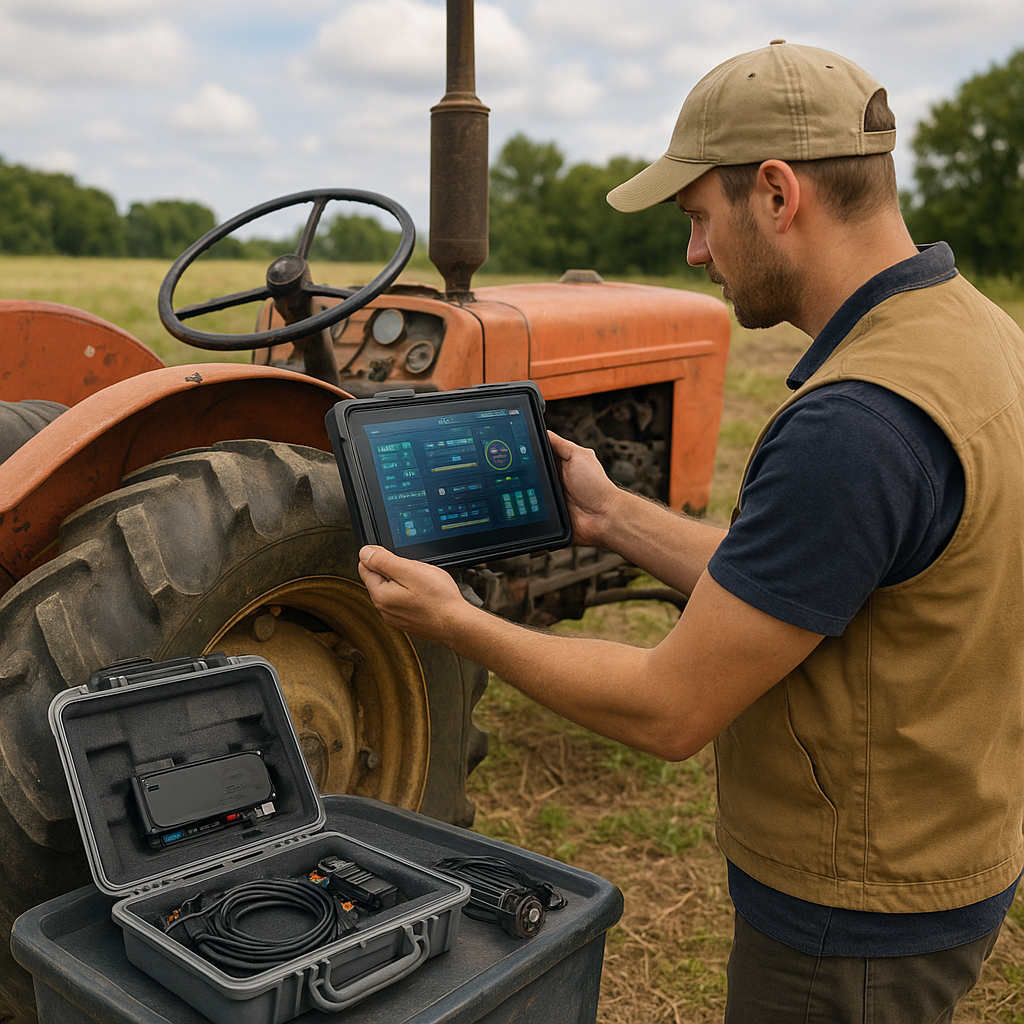
Structured and well-designed operator training programs are vital for the modern agricultural landscape. By equipping tractor operators with comprehensive skills and knowledge, farms can achieve higher levels of productivity and safeguard their workforce. This article explores multiple dimensions of tractor operator training, presenting the core advantages and practical elements that drive enhanced performance on the field.
Safety Enhancement Through Structured Training
Implementing a robust operator training curriculum dramatically improves safety standards. Novice drivers learn proper pre‐operation inspections, while experienced operators refine hazard recognition. A key element involves hands‐on practice in various terrains and weather conditions, ensuring that each driver can adapt to real‐world challenges. Regular assessments reinforce best practices, encourage accountability, and promote a culture where operator well‐being is prioritized.
Risk Reduction and Accident Prevention
Trained operators are better equipped to identify potential dangers such as unstable ground, overhead obstacles, and equipment malfunctions. By following standardized checklists and emergency procedures, they minimize the likelihood of rollovers, collisions, and entanglements. These measures translate into lower injury rates, reduced downtime, and significant cost savings in medical claims and legal liabilities.
Personal Protective Equipment and Ergonomics
Comprehensive classroom sessions emphasize the correct usage of personal protective equipment (PPE) and ergonomic principles. Operators learn to adjust seats, mirrors, and control panels to reduce fatigue and musculoskeletal strain. Over the long term, these practices support both mental focus and physical stamina, fostering a safer work environment and reducing chronic injury risks.
Productivity and Operational Efficiency Gains
Beyond safety, targeted training programs unlock new levels of efficiency and resource utilization. Operators receive instruction on fuel‐saving techniques, precision tilling, and efficient field coverage. By mastering advanced implements and GPS‐guided systems, they can optimize passes, avoid overlaps, and maintain consistent application rates. The result is enhanced yield potential and streamlined workflows.
Standardized Procedures and Best Practices
- Proper engine warm‐up and shutdown routines
- Optimal gear selection for various tasks
- Implement calibration and adjustment
- Data recording and analysis for continuous improvement
Standardization ensures that every team member follows proven protocols, leading to predictable results and minimized waste. Farms that invest in these methods typically report a measurable bump in daily acreage coverage and a reduction in fuel consumption per hectare.
Time Management and Workflow Coordination
Training programs also include modules on planning and scheduling, teaching operators how to sequence tasks for maximum impact. Coordinating multiple machines, aligning harvest windows, and reacting swiftly to weather changes become integral skills. Enhanced communication via in‐cab systems or mobile apps fosters synergy between drivers and management, ensuring that every asset is deployed where it is needed most.
Cost Reduction and Maintenance Optimization
Regular maintenance is a cornerstone of reliable tractor operation. Through dedicated workshops, operators learn to perform routine inspections—checking oil levels, hydraulic systems, tire pressure, and filter conditions. Early detection of wear and leaks prevents minor issues from escalating into costly breakdowns. This proactive approach leads to lower repair expenses and extends equipment lifespan.
Preventive vs. Reactive Maintenance
Training emphasizes a shift from reactive maintenance—fixing failures after they occur—to a preventive mindset. Operators use digital logs to track service intervals and identify patterns that predict component fatigue. By addressing potential failures before they shut down operations, farms avoid unplanned downtime and preserve capital investments.
Inventory Control and Parts Management
Well‐trained staff can manage parts inventory more effectively, ensuring that essential filters, belts, and fluids are always available. This inventory foresight reduces emergency orders and shipping costs. Combined with accurate usage records, it supports budget planning and avoids overstocking obsolete items.
Embracing Technological Advances and Compliance Standards
Modern tractors integrate cutting‐edge technology such as telematics, auto steering, and predictive maintenance alerts. Operator training programs introduce these systems gradually, helping drivers interpret data dashboards, configure sensors, and respond to real‐time feedback. Mastery of digital interfaces empowers teams to leverage analytics for performance optimization.
Regulatory Compliance and Environmental Responsibility
Governments and industry bodies impose regulations on emissions, chemical application rates, and noise levels. Training ensures that operators understand relevant standards—such as Tier 4 engine emission rules—and comply with pesticide usage guidelines. This compliance delivers both legal protection and a reputation for environmental stewardship.
Continuous Learning and Skill Upgrades
The agricultural sector evolves rapidly, with new implements, software updates, and sustainable practices emerging each season. Ongoing training modules, delivered in person or via e‐learning platforms, keep operators current. These refresher courses reinforce critical concepts and introduce advanced topics like precision agriculture and autonomous machinery integration.
By investing in thorough operator training programs, farms can harness the full potential of their tractor fleets. Structured education on maintenance, safety, productivity, and modern technology paves the way for sustainable growth. Well‐trained drivers become champions of efficiency, driving down costs and elevating overall performance on every acre.