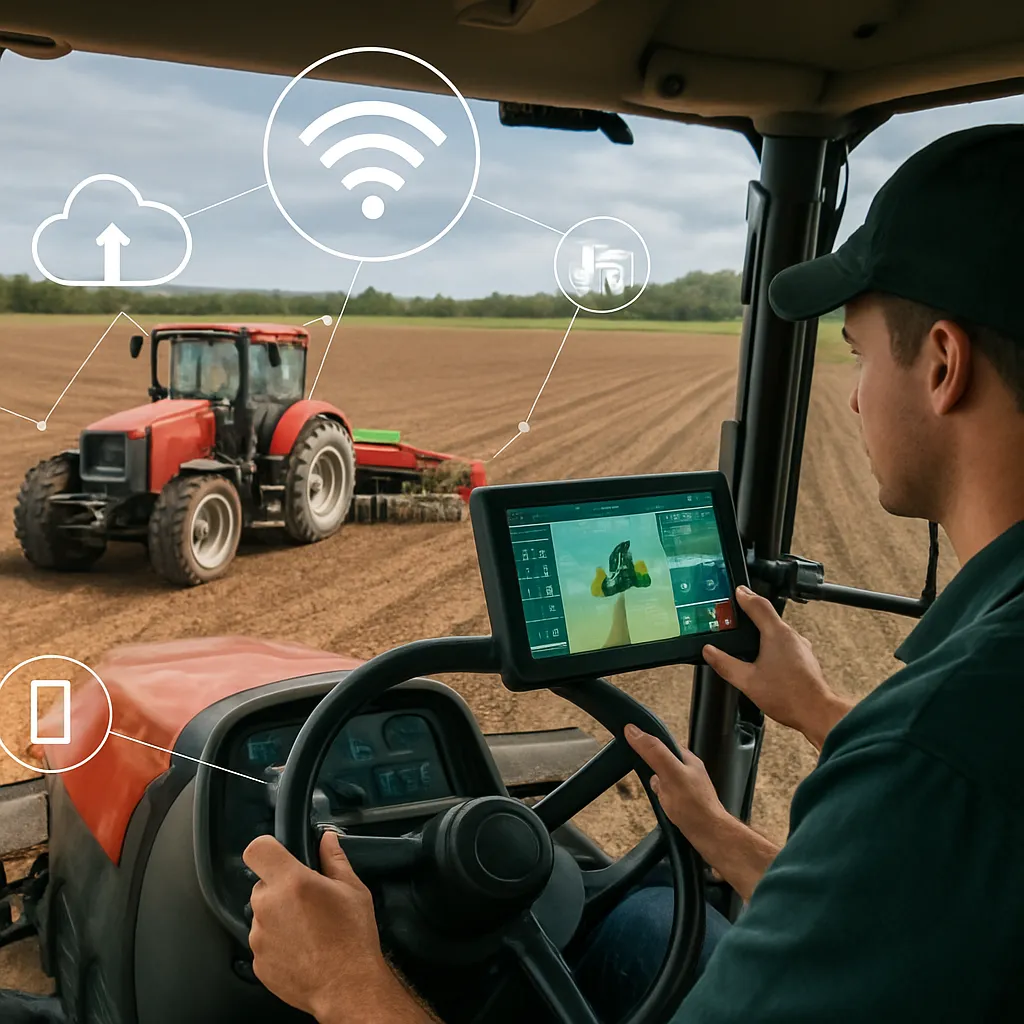
The integration of IoT in modern agriculture has unlocked unprecedented opportunities to enhance tractor performance and farm productivity. By leveraging connectivity and distributed sensors, manufacturers and farmers can access a suite of features ranging from GPS guidance to remote diagnostics. These developments promote sustainability and enable optimized resource use across vast agricultural landscapes. This article explores key aspects of smart tractor ecosystems, illustrating how emerging technologies redefine field operations.
Connected Sensors and Real-Time Data Acquisition
Smart tractors rely on an array of built-in and attachable sensor modules to monitor environmental and mechanical parameters. Soil moisture probes, yield monitors, engine temperature gauges and tire-pressure sensors feed continuous data streams that support informed decision-making. Telematics units orchestrate this flow, transmitting information via cellular, satellite or mesh networks.
Sensor Types and Applications
- Soil Condition Sensors: Measure moisture, pH and nutrient levels for optimal fertilization.
- Machine Health Sensors: Track engine status, hydraulic pressure and electrical performance.
- Weather Stations: Provide localized forecasts and microclimate data to adapt operations.
- Positioning Modules: High-precision GNSS systems enable accurate field mapping.
Such instrumentation ensures real-time visibility into both agronomic and mechanical conditions. Farmers can remotely monitor tractor fleets from a centralized dashboard, streamlining maintenance schedules and fieldwork planning.
Advanced Automation and Precision Farming
Autonomy and automation have rapidly progressed, driven by demand for labor efficiency and consistent field coverage. Smart tractors are now equipped with advanced guidance systems capable of navigating complex terrain with minimal human intervention.
Autonomous Navigation
Combining GNSS data with onboard cameras and LiDAR, autonomous tractors can follow pre-defined paths and dynamically avoid obstacles. Software algorithms analyze terrain features, adjusting speed and steering to maintain optimal coverage. These capabilities reduce operator fatigue and enable extended working hours.
Variable Rate Application
Precision farming techniques leverage prescription maps to adjust seeding rates, fertilizer and pesticide applications on the fly. By matching input levels to specific field zones, farmers achieve improved crop uniformity while minimizing waste. Integration of precision sprayers and spreaders underscores the value of sensor-driven control.
Data Analytics and Predictive Maintenance
Harvesting vast datasets from tractors requires robust analytics platforms to extract meaningful insights. Cloud-based solutions aggregate machine telemetry and field metrics, applying statistical models and machine learning to guide strategic decisions.
Performance Benchmarking
Comparing operational metrics across multiple tractors and seasons highlights best practices and identifies underperforming units. Dashboards visualize fuel consumption, field efficiency and yield data, empowering managers to optimize equipment deployment.
Predictive Maintenance Strategies
By analyzing vibration patterns, temperature trends and usage histories, predictive maintenance algorithms forecast potential failures before breakdowns occur. Proactive part replacements and service scheduling minimize downtime and decrease repair costs.
Challenges and Future Perspectives
While the benefits of smart tractor systems are evident, several hurdles must be addressed to drive broader adoption:
- Data Security and Privacy: Protecting farm data from unauthorized access requires robust encryption and secure communication protocols.
- Infrastructure Gaps: Remote areas often lack reliable network coverage, limiting smart agriculture capabilities.
- High Initial Investment: The cost of advanced sensors and connectivity modules can be prohibitive for small-scale farmers.
- Standardization Issues: Diverse proprietary systems hinder seamless integration across equipment brands.
Looking ahead, collaborative efforts between agricultural technology firms, telecom providers and research institutions will be crucial. Advances in edge computing, low-power wide-area networks and AI-driven analytics promise to further reduce barriers. By fostering open standards and scalable business models, the industry can ensure that smart tractors deliver maximum value to farms of all sizes.