Ensuring your agricultural machinery is in peak condition before a field inspection can make the difference between a smooth process and unexpected downtime. This guide walks you through the essential steps needed to have your tractor ready for any official or routine inspection, focusing on critical areas that inspectors scrutinize most.
Pre-Inspection Maintenance
A solid maintenance routine not only extends the lifespan of your equipment but also guarantees you meet industry compliance standards. Neglecting even minor issues can lead to major setbacks during an inspection. Follow these key checks to stay ahead of potential problems:
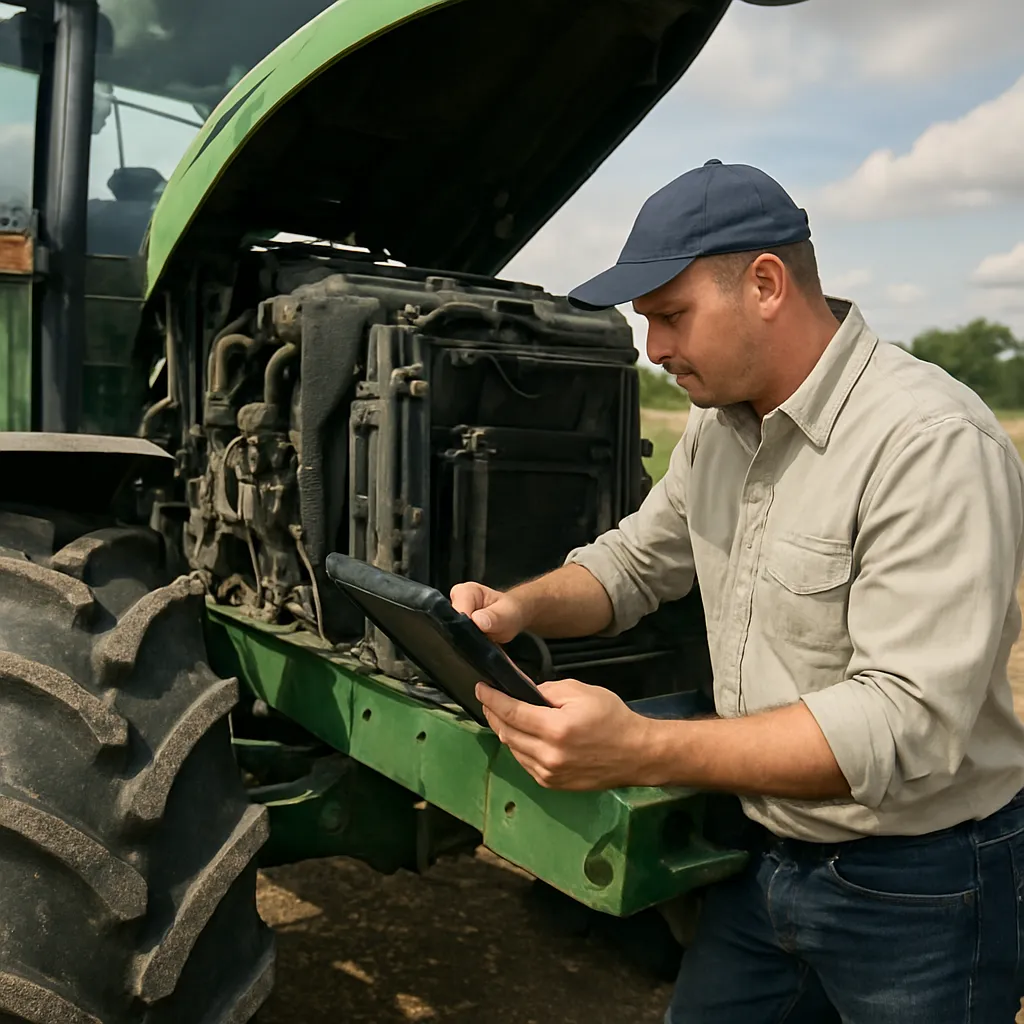
Engine and Fluid Checks
The heart of any tractor is its engine. Inspectors prioritize engine performance and proper fluid levels. Be sure to:
- Check the engine oil level and quality. Replace or top up with the manufacturer’s recommended grade to maintain engine health.
- Examine the coolant level, radiator cap, and hoses for cracks or leaks to prevent overheating.
- Inspect the fuel system for signs of contamination or blockages, and replace fuel filters as needed.
- Verify hydraulic fluid levels in the reservoir, ensuring the correct type and viscosity for smooth hydraulic operation.
Hydraulic System Integrity
The hydraulic system drives key attachments and steering mechanisms. Inspectors look for leak-free hoses and properly functioning components:
- Examine all hoses, fittings, and cylinders for wear or damage.
- Test hydraulic pressure at various operational points to confirm consistent performance.
- Bleed air from the system if spongy response or noise is detected during operation.
Tires, Tracks, and Undercarriage
Tire and undercarriage care are crucial for safety and maneuverability:
- Measure tire pressure and adjust to the recommended psi. Over- or under-inflation can lead to uneven wear.
- Inspect tire tread or track pads for cuts, cracks, or excessive wear, replacing as necessary.
- Lubricate track rollers, idlers, and bearings to prevent maintenance issues in harsh field conditions.
Documentation and Compliance
Accurate paperwork and clear records can speed up the inspection and demonstrate your commitment to proper documentation practices. Keep these items readily available:
Recording Maintenance History
A well-documented maintenance log is one of the first items an inspector will request:
- Include dates of oil changes, filter replacements, and major repairs.
- Record hours of operation between scheduled services to show adherence to service intervals.
- Store digital copies of manuals, service bulletins, and parts catalogs for on-the-spot reference.
Safety and Compliance Standards
Field inspections often include an assessment of safety equipment and compliance with local regulations:
- Check the condition of rollover protection structures (ROPS) and ensure they are firmly attached.
- Confirm that warning labels and decals are present and legible in required areas.
- Ensure all lights, reflectors, and audible alarms are operational to meet road and field transport requirements.
- Maintain up-to-date certification for custom attachments or modifications that may affect safety or emissions.
Cleaning, Presentation, and Final Walkaround
A clean, well-presented tractor not only conveys professionalism but also helps reveal hidden issues. Dirt build-up can mask leaks, cracks, or wear points:
Exterior Cleaning
Remove debris, caked-on mud, and plant material from all surfaces:
- Use a pressure washer to clear the chassis, wheel wells, and undercarriage. Avoid high-pressure on sensitive electrical connections.
- Apply mild detergent to painted areas, rinse thoroughly, and inspect for rust spots or chipped paint that could lead to cleanliness issues over time.
- Polish lenses of headlights and indicator lights to ensure maximum visibility.
Interior and Cabin Checks
The operator’s environment must be safe and functional:
- Clean the dashboard, controls, and monitor screens. Remove dust, grease, and residue that may obscure readings.
- Test HVAC and defrost systems to guarantee clear visibility and operator comfort during extended inspections.
- Inspect seat belts, handrails, and non-slip mats for wear and secure anchoring.
Final Walkaround Inspection
A systematic walkaround helps catch any items overlooked during maintenance:
- Check all fluid reservoirs one final time for correct levels and possible leaks.
- Open service panels to verify filters are seated properly and vents are clear of blockages.
- Start the engine and observe for unusual noise, smoke, or vibration, taking note of irregular readings on the dashboard.
- Operate hydraulic lifts and implements through full range of motion to confirm smooth, consistent action.
Calibration, Testing, and Readiness
Aside from general maintenance, specific implements and sensors often require calibration. Proper testing prevents misalignment and operational errors:
Implement Calibration
Planter, sprayer, and seeder accuracy relies on careful setup:
- Adjust seed meters or spray nozzles to manufacturer specifications for precise application rates.
- Use test plots or calibration scales to verify distribution patterns before heading to the field.
Electrical and Sensor Checks
Modern tractors are increasingly dependent on electronics:
- Scan diagnostic ports for error codes, and clear minor faults after corrective actions.
- Test GPS, autosteering, and guidance systems for satellite lock and accuracy within acceptable calibration margins.
- Replace any frayed wires or corroded connectors that could lead to intermittent failures.
Operational Verification
Once all inspections and maintenance tasks are complete, conduct a short field run to verify real-world performance:
- Monitor engine temperature, oil pressure, and hydraulic responsiveness under load.
- Listen for abnormal sounds in transmission or differential assemblies during gear changes.
- Ensure implements engage and disengage smoothly without drift or lag.
- Record any anomalies in a log for immediate resolution before the formal inspection.
By addressing these areas—engine performance, safety systems, documentation, cleanliness, and calibration—you’ll present a tractor that not only meets but exceeds inspection requirements. Confidence in your machinery’s condition leads to smoother operations and greater productivity in the seasons ahead.