Efficiently tracking fuel usage in tractor fleets has become a critical aspect of modern farming operations. By integrating telematics solutions, agricultural managers can gain precise insights into consumption patterns, detect anomalies, and drive more informed decisions. This article explores practical methods for monitoring fuel usage with telematics technology, focusing on tractor applications and related equipment.
Understanding Fuel Consumption Challenges in Modern Agriculture
Farmers face rising diesel prices, tightening margins, and increasing environmental regulations. Continuous monitoring of fuel consumption on tractors helps identify wasteful practices such as idling, inefficient routes, or worn engine components. Traditional methods—manual meter readings and paper logs—often introduce errors, delays, and gaps in data. Without automated tracking, it’s difficult to compare consumption across different fields, operators, or work cycles. Furthermore, hidden factors like seasonal temperature shifts, terrain variability, and equipment age can skew fuel data unless captured in a centralized system. Telematics overcomes these hurdles by automatically collecting performance metrics, enabling farms to boost overall efficiency and reduce excess spending on diesel.
How Telematics Systems Track Fuel Usage
Fuel Flow Sensors
Modern telematics platforms integrate directly with tractor engines via the CAN bus or through aftermarket kits. High-precision flow meters record every drop of diesel passing through the fuel line. These units relay consumption figures to a nearby telematics gateway, which also captures engine speed and load. By combining data streams, managers can discern whether spikes in usage relate to heavier implements, steep inclines, or operator behavior.
- Real-time location via GPS helps correlate fuel burn with field zones.
- Onboard sensors measure engine parameters such as temperature and rpm.
- Data uploads occur over cellular or satellite links for real-time visibility.
When tractors return to the yard or a cell tower area, they automatically sync all logs to a cloud dashboard. This seamless transfer ensures no data is lost during remote operations.
Key Features for Effective Fuel Monitoring
Interactive Dashboard
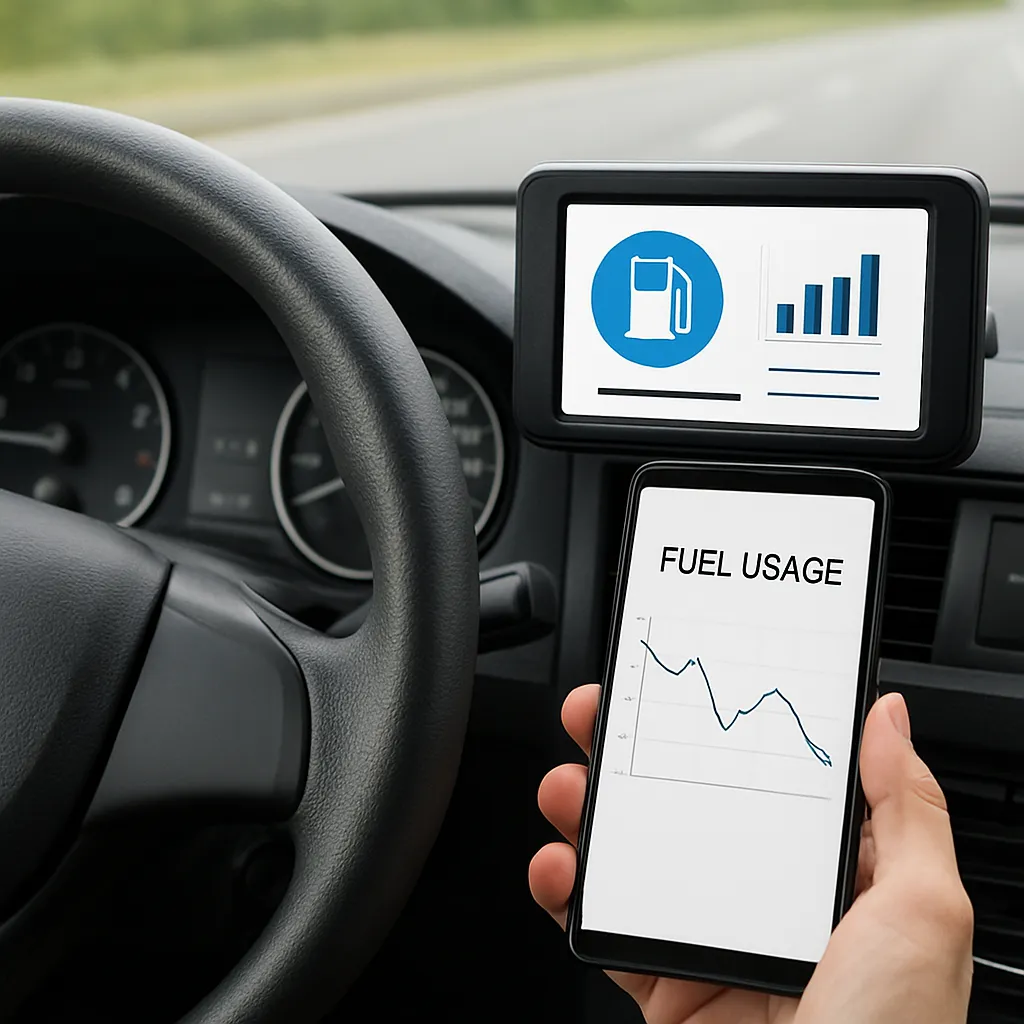
A robust user interface presents consumption metrics in clear charts, allowing side-by-side comparisons of machines or shifts. Filters let managers isolate periods of high idle time, spot outliers, and drill down to the root cause. Custom widgets can display average liters per hour, cost per acre, or fuel use per implement.
Custom Alerts
Automated alerts notify supervisors when consumption exceeds predefined thresholds. For instance, a notification might trigger if a tractor idles more than 15 minutes or if fuel flow jumps dramatically without a change in workload. Early warnings prevent minor issues from escalating into costly repairs or fuel wastage.
- Detailed reports leverage data analytics to highlight trends and anomalies.
- Role-based access ensures operators see only relevant dashboards and alerts.
- Scheduled exports simplify reporting for audits or compliance.
Implementing Telematics on Your Tractor Fleet
Successful deployment begins with selecting a hardware solution compatible with your tractor models—whether John Deere, New Holland, or other brands. After installing fuel flow meters and the telematics gateway, calibrate sensors to match factory engine settings. Integration with farm management software enables seamless data flow between planting schedules, yield mapping, and fuel reports.
- Train operators on the importance of shutting down engines properly to avoid false readings.
- Establish routines for monthly system checks to verify sensor accuracy.
- Monitor system health dashboards to spot connectivity or hardware issues early.
By documenting cost savings and efficiency gains, agribusiness leaders can calculate the ROI of their telematics investment. Many farms recover installation costs within the first planting season through reduced fuel bills and maintenance expenses.
Best Practices for Maximizing Fuel Efficiency
- Optimize routing and field patterns to minimize travel time and idle periods.
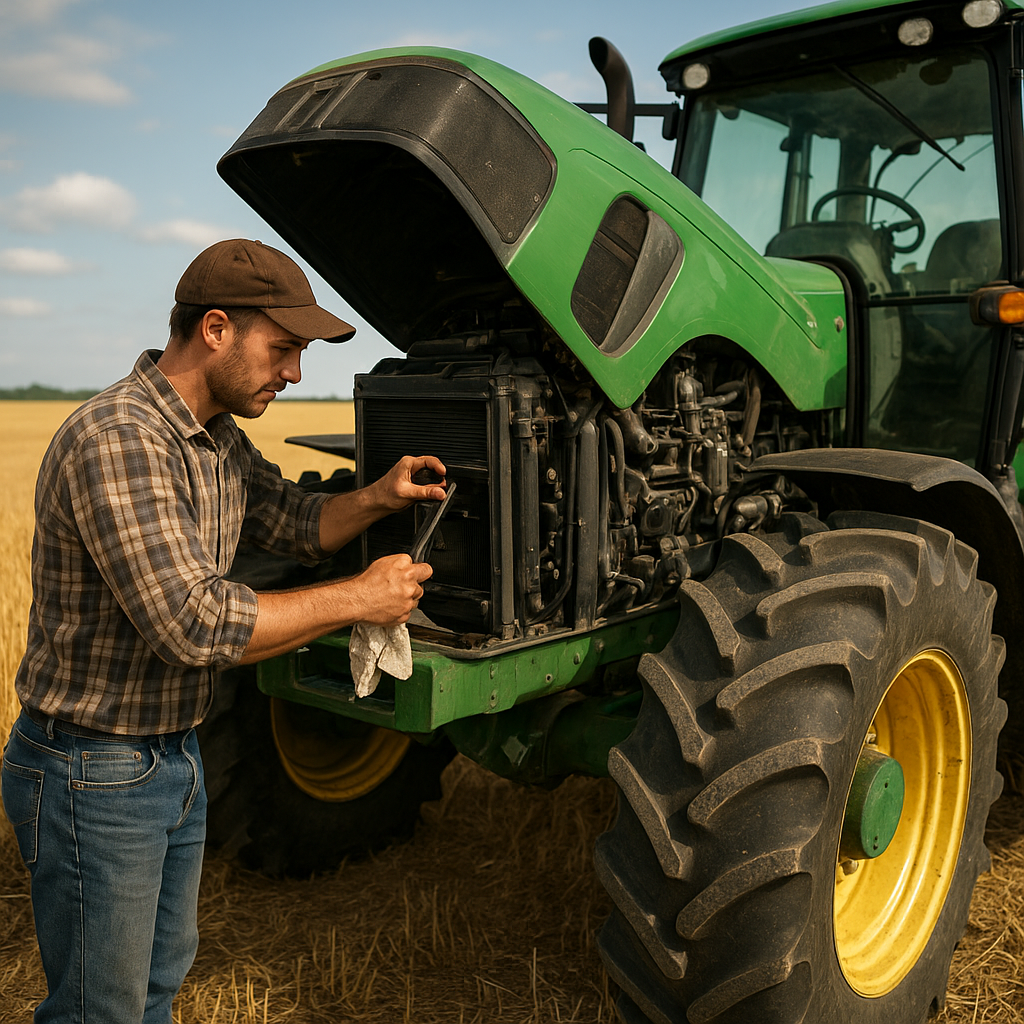
- Schedule preventive maintenance based on engine hours and sensor alerts rather than fixed intervals.
- Use geofencing to enforce speed limits and restrict equipment to designated zones.
- Implement driver scorecards to encourage habits like smooth throttle control and avoiding aggressive acceleration.
- Regularly review telematics reports with the team to reinforce accountability and share improvement tips.