Proper tire inflation is a cornerstone of efficient tractor operation across farms, construction sites, and rural roads. Ensuring the correct amount of air in each tire not only extends the useful life of equipment but also safeguards both the operator and the surrounding environment. In the following sections, we will examine how ideal inflation levels can optimize traction and enhance overall performance while reducing fuel costs and minimizing soil damage.
Understanding Tire Pressure Basics
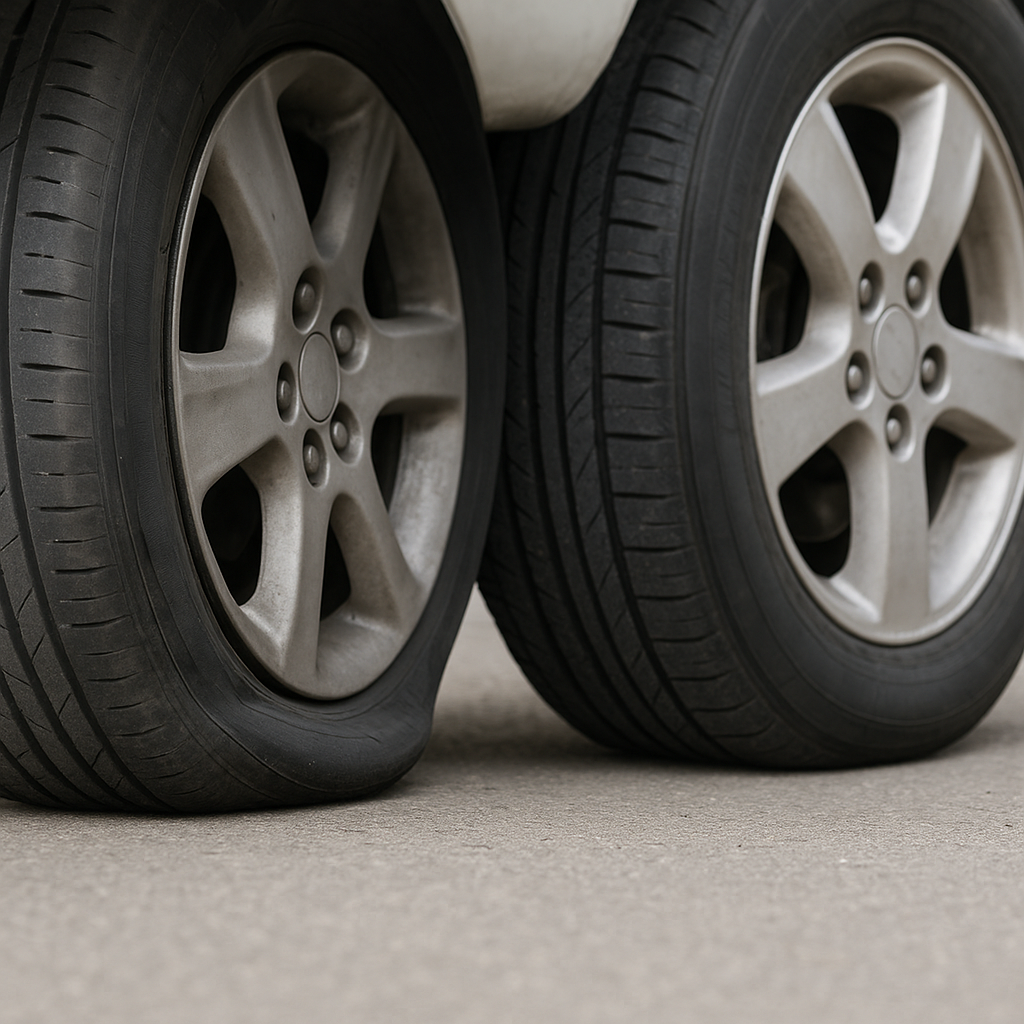
Every tractor tire has a manufacturer–recommended range of air pressure. Running a tire below or above this window can undermine its integrity. Under–inflated tires tend to flex excessively, resulting in uneven wear patterns and increased heat buildup. Conversely, over–inflated tires may experience reduced ground contact, leading to poor stability and diminished load capacity. By maintaining an appropriate inflation level, tractor owners can achieve a balanced footprint, which is essential for long working days on varied terrains.
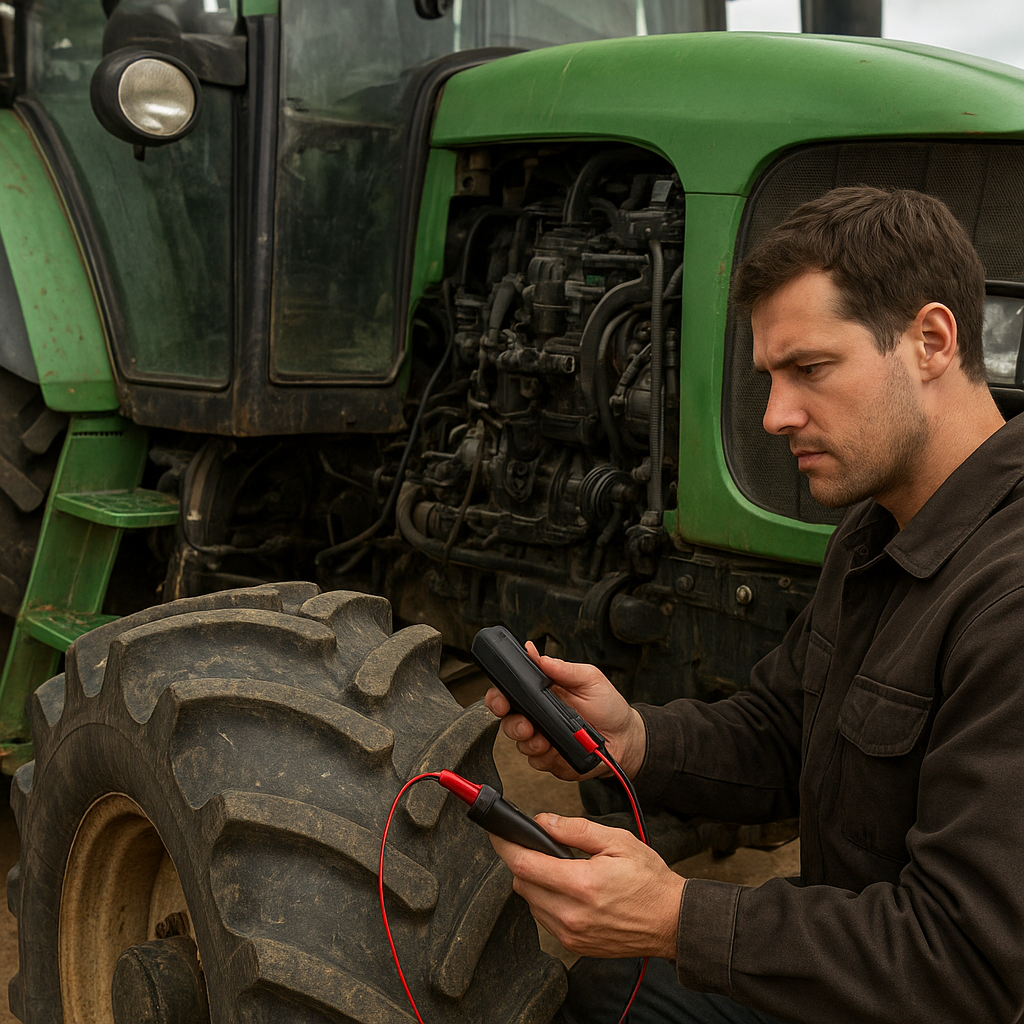
Key factors influencing recommended pressure include the tractor’s gross vehicle weight, the load on each axle, and the type of tasks performed. For instance, a tractor pulling heavy equipment through soft fields requires a different inflation strategy than one transporting grain on paved surfaces. Always consult the tire sidewall and the tractor operator’s manual when determining optimal pressure points. Advances in digital gauges and wireless monitoring systems now allow real-time pressure checks, alerting operators to any deviations that could compromise safety.
Impacts of Over and Under Inflation
Incorrect tire pressure can trigger a range of negative outcomes:
- Reduced efficiency: Under–inflation increases rolling resistance, making tractors consume more diesel to maintain the same speed.
- Poor traction: Over–inflated tires have a smaller contact patch, which directly reduces grip on wet or muddy fields.
- Soil compaction: Heavy equipment with inappropriate tire pressure compacts the ground, harming root development and long–term crop yields.
- Uneven wear: Both under– and over–inflation produce irregular tread patterns, forcing tire replacement sooner than expected.
Excessive inflation also heightens the risk of sudden blowouts, especially when operating over rough terrain or debris. Such failures can cause abrupt equipment stoppages and potential injuries to operators. On the other hand, low-pressure fl exing accelerates sidewall fatigue, negatively affecting tire durability and raising maintenance costs over time.
Best Practices for Tractor Tire Maintenance
Regular upkeep is the secret to maximizing tire life and ensuring safety in everyday operations. The following checklist covers essential tasks:
- Inspect pressure weekly or before each major assignment, using a calibrated gauge.
- Check for cuts, punctures, or embedded objects in the tread area.
- Rotate tires periodically to promote even wear across all axles.
- Clean wheels and rims to prevent air leaks caused by rust or debris buildup.
Seasonal Adjustments
Temperature fluctuations can alter internal air pressure by up to 1.5 psi for every 10°F change. During colder months, monitor inflation more frequently to avoid under–inflation. In hot weather, verify that tires are not exceeding their maximum rated pressure, as heat from continuous fieldwork can amplify internal temperatures and stress.
Choosing the Right Tires and Pressures
Selecting tires that match a tractor’s duty cycle is as important as keeping them properly inflated. Factors to consider include:
- Tread pattern suited for soil conditions—deep lugs for muddy fields or ribbed designs for highway towing.
- Ply rating and load index, which determine the tire’s capability to carry heavy implements.
- Options for adjustable tire pressure systems, allowing on-the-move changes to optimize stability and field performance.
Modern agriculture increasingly relies on smart tire inflation management. Automated central tire inflation systems (CTIS) let operators shift between transport and field settings at the push of a button, instantly balancing load distribution and footprint size. Such innovations help protect soil structure while delivering superior ride quality.
By choosing the right tire models and adhering to meticulous maintenance routines, tractor owners can secure improved longevity for their fleet. Proper inflation reduces unscheduled downtime, lowers fuel consumption, and enhances both operator comfort and overall productivity. In the end, a small investment of time during pre-operation checks repays in months or years of trouble-free service.