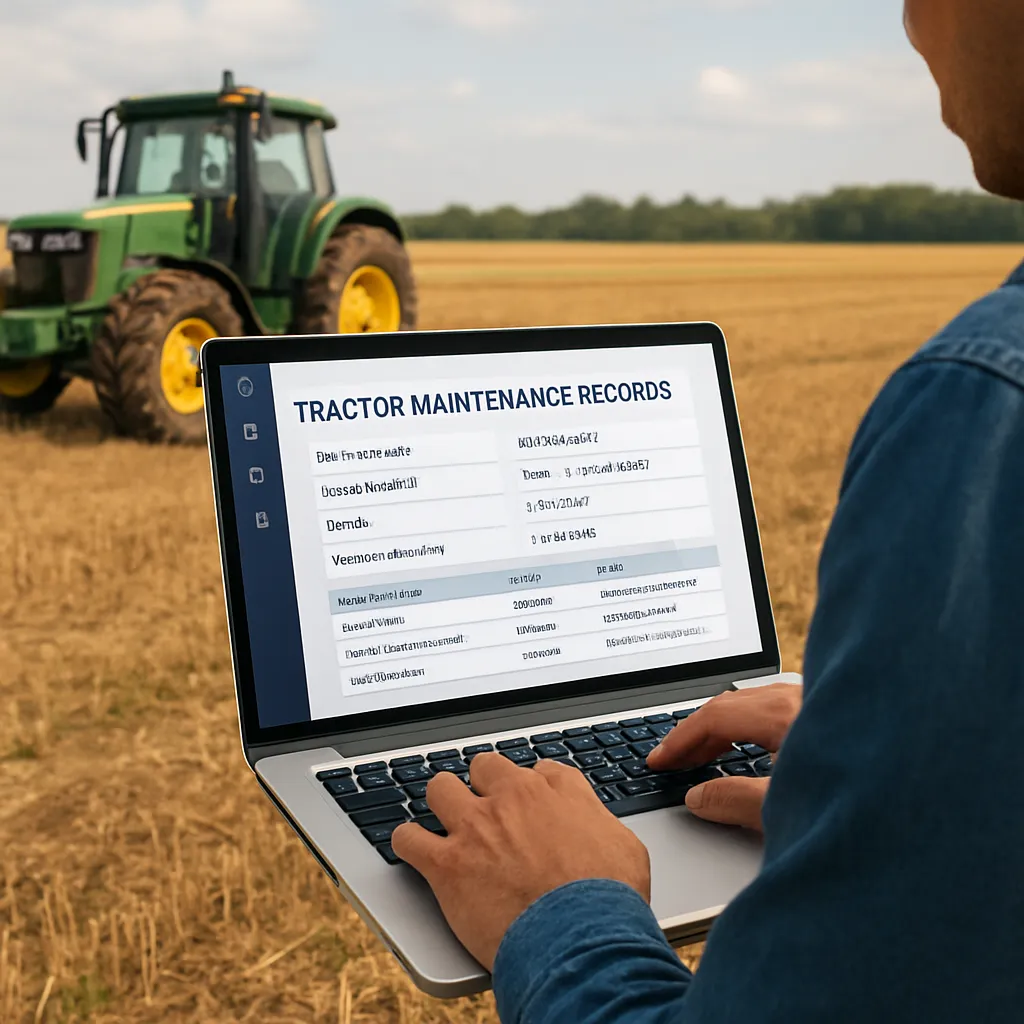
Preparing a farm tractor for safe and efficient road transport demands careful planning and attention to detail. Whether you are moving a compact utility model across state lines or hauling a heavy-duty agricultural machine down a rural byway, every step contributes to overall safety and peace of mind. This guide outlines best practices—from initial inspections through final logistics—to ensure your equipment arrives in top condition.
Pre-Transport Inspection
Before loading, conduct a thorough examination of the machine to verify its mechanical integrity and readiness for the journey. Skipping this step may lead to costly breakdowns, roadside delays, or damage to both the tractor and the trailer.
Visual and Fluid Checks
- Examine the engine compartment for leaks: oil, coolant, or hydraulic fluid.
- Check tire condition and pressure. Worn treads or underinflation can compromise stability.
- Inspect lights, signals, and reflectors to confirm electrical functionality.
- Ensure all glass surfaces and mirrors are clean and crack-free.
Structural and Safety Components
- Test brakes and steering response. Any sponginess or delay should be addressed immediately.
- Verify the integrity of roll-over protection structures (ROPS) and cab enclosures.
- Check that PTO shields and guards are properly affixed.
- Confirm that the battery is secured and terminals are free of corrosion.
Securing the Tractor for Hauling
Proper restraint systems protect both the vehicle and the hauler. Using the correct tie-down strategy prevents unexpected shifts during transit.
Selecting Tie-Down Points
- Attach straps or chains to reinforced lift eyes or axles—never to hydraulic lines.
- Balance tension on opposite sides to maintain weight distribution.
- Use multiple anchor points: front, rear, and mid-frame to minimize movement.
Choosing Hardware and Accessories
- High-quality ratchet straps or load binders rated for at least 2,000 lbs.
- Edge protectors to safeguard hoses and painted surfaces.
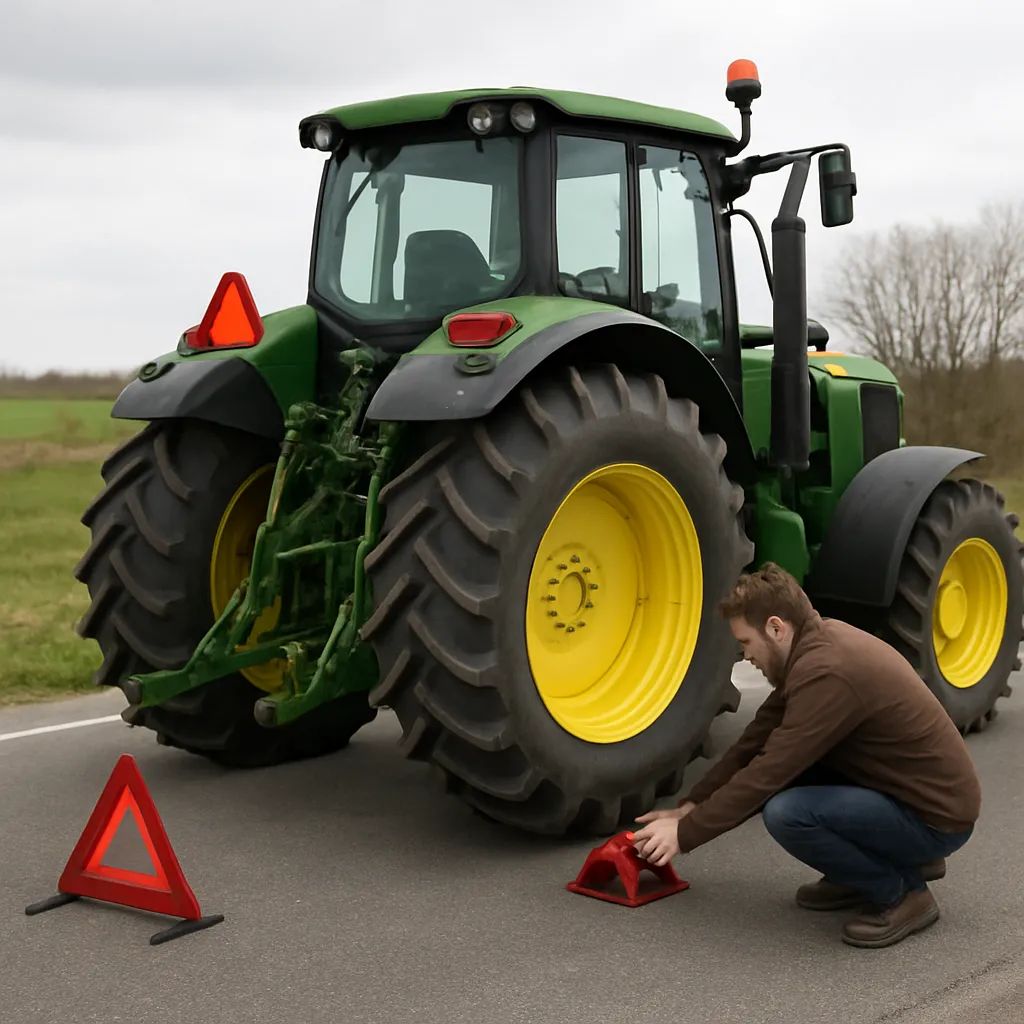
- Wheel chocks placed snugly around tires to resist rolling.
- Additional safety chains as a backup to primary restraints.
Loading and Unloading Techniques
Efficient loading and unloading reduce risk of damage and personal injury. Proper approach angles and ramp selection are essential to smooth operations.
Ramp Selection and Positioning
- Use ramps rated for the tractor’s total weight plus a safety margin.
- Ensure ramp-to-trailer angle is below 20° to prevent low-ground-clearance scrapes.
- Secure ramps with safety pins or chains to avoid slippage.
Safe Driving Practices
- Drive slowly and maintain a centered path to prevent tipping.
- A spotter at the rear can guide angle adjustments.
- Apply brakes gently when descending ramps to avoid sudden stops.
- Once loaded, double-check that the parking brake is engaged before detaching tractor from ramp.
Compliance and Logistics Considerations
Navigating legal regulations and organizing reliable carriers are critical to a smooth haul. Detailed paperwork and clear communication with transport partners minimize delays.
Documentation and Permits
- Obtain oversize or overweight permits if the tractor exceeds standard dimensions.
- Carry registration, insurance, and bill-of-lading documents in an accessible folder.
- Review state-specific rules on escort vehicles, lighting requirements, and prohibited travel times.
Choosing a Hauling Service
- Vet carriers for experience in agricultural equipment transport.
- Confirm trailer type—gooseneck, lowboy, or flatbed—matches tractor height and weight.
- Discuss route planning to avoid low bridges and restricted zones.
- Agree on inspection checkpoints and communication protocols during transit.
Routine Maintenance and Post-Transport Checks
After unloading, performing immediate maintenance tasks ensures the tractor remains in prime condition and helps identify any haul-induced issues.
- Reinspect fluid levels and top off as needed.
- Look for signs of stress on hoses, welds, and tie-down points.
- Verify tire pressure again; road vibrations may alter PSI readings.
- Run the engine briefly to confirm no new leaks or abnormal noises.
By following these structured steps—comprehensive inspections, robust securing methods, careful loading, and thorough compliance checks—you can streamline the process of moving your tractor from point A to B. Investing time in preparation not only protects your valuable equipment but also upholds the highest standards of operational logistics and transport safety.