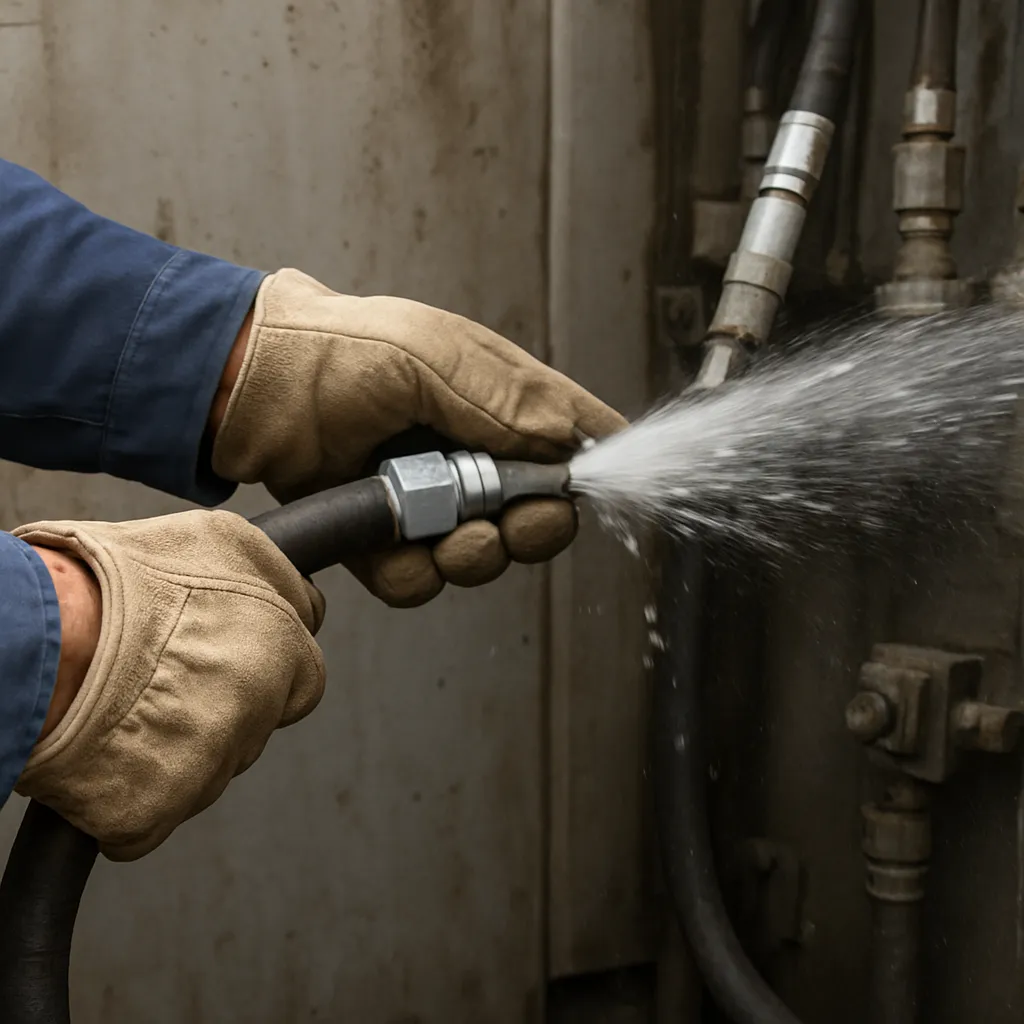
Effective handling of hydraulic hose failures on tractors demands a blend of technical know-how, vigilant inspection, and rapid response. Farmers and operators must grasp the intricate dynamics of hydraulic systems, implement rigorous preventive strategies, and follow precise emergency protocols to protect lives and equipment.
Understanding Hydraulic Systems in Tractors
Modern tractors rely heavily on hydraulic power to drive implements, lift loads, and operate steering mechanisms. A typical system consists of a hydraulic pump, fluid reservoir, control valves, hoses, and fittings. When the hydraulic fluid is pressurized, it transmits force to various actuator components, enabling tasks such as loader operation or three-point hitch adjustments.
Key Components and Their Roles
- Hydraulic pump: Generates the pressure needed for fluid movement.
- Hoses and fittings: Direct pressurized fluid to the implement.
- Control valves: Regulate fluid flow and route it to specific circuits.
- Actuators (cylinders or motors): Transform hydraulic energy into mechanical motion.
- Reservoir and filters: Store fluid and remove contaminants.
Even minor imperfections in a hose or fitting can lead to catastrophic failure under high pressure, so understanding each part’s function is crucial.
Preventive Measures and Routine Inspection
Regular inspections and maintenance are the frontline defense against hydraulic failures. By identifying wear or damage early, operators can replace vulnerable components before a breach occurs.
Daily Visual Checks
- Inspect hoses for bulges, abrasions, or cracks along their length.
- Check fittings and couplings for signs of corrosion or loosening.
- Verify fluid levels and look for leaks around seals and connectors.
- Examine contamination indicators: dark fluid or sediment can signal filter failure.
Scheduled Preventive Maintenance
- Replace hoses at manufacturer-recommended intervals, even if external wear appears minimal.
- Change filters regularly to prevent particulate buildup.
- Test system pressure under safe conditions to confirm pump and valve performance.
- Ensure any residual pressure is released before servicing by using pressure-relief valves or manual bleed procedures.
Document all inspections and repairs in a maintenance log. This record-keeping reveals patterns of wear and helps anticipate future failures.
Emergency Response and Safe Practices During Failures
When a hydraulic hose bursts, the escaping fluid can be lethal due to its high pressure and temperature. Swift action guided by established protocols minimizes harm.
Immediate Shutdown Procedures
- Disengage power take-off (PTO) and turn off the engine to halt the pump.
- Relieve system pressure using designated valves; never attempt repairs on a pressurized line.
- Don safety gear: eye protection, gloves, and protective clothing to guard against fluid injection injuries.
Leak Containment and Cleanup
- Place drip pans or absorbent pads under the leak to prevent soil contamination.
- Use spill kits with absorbents designed for oil-based fluids.
- Dispose of used pads and contaminated soil in compliance with local environmental regulations.
Safe Hose Replacement Steps
- Verify all pressure has been relieved (double-check visually and via gauges).
- Remove faulty hose and fittings with appropriate tools; avoid striking or twisting the metal connectors.
- Install new hoses of the correct size and pressure rating, tightening fittings to the manufacturer’s torque specifications.
- Perform a controlled pressure test at low flow to confirm leak-free connections.
By adhering to these protocols, operators significantly reduce the risk of injury and costly downtime.
Selecting Quality Components and Training Personnel
Beyond inspection and emergency response, choosing the right equipment and fostering skilled operators are vital for long-term safety.
Choosing the Best Hoses and Fittings
- Purchase hoses rated above the maximum operating pressure of your hydraulic system.
- Verify compatibility with hydraulic fluid type and temperature ranges.
- Opt for abrasion-resistant sleeves in high-wear areas.
- Use quick-disconnect couplings equipped with built-in check valves to prevent fluid loss during disconnection.
Operator Education and Certification
- Provide hands-on training in safe shutdown, inspection, and replacement procedures.
- Conduct periodic drills simulating hose failures and system malfunctions.
- Review and update safety manuals to incorporate the latest industry standards.
Well-trained staff can detect subtle warning signs of impending hose failure and take corrective action without delay.