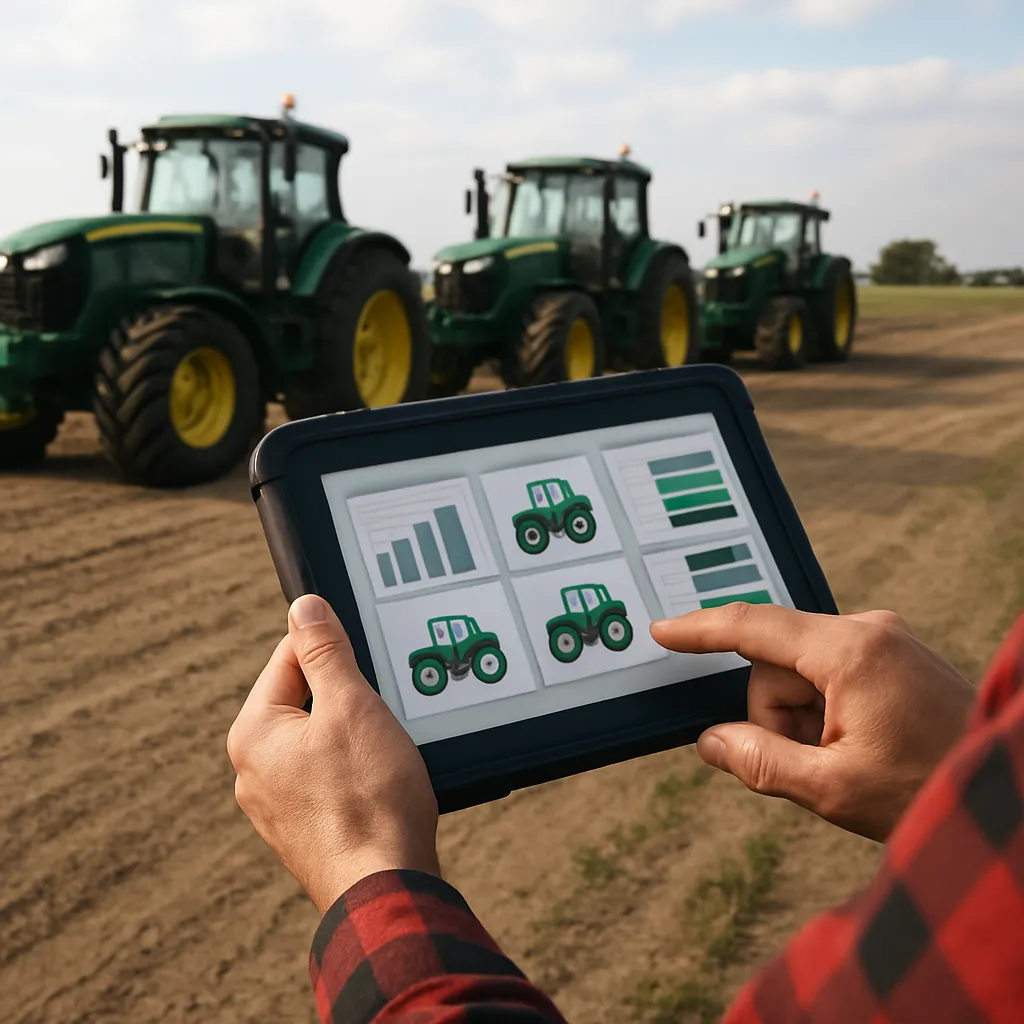
Effective tractor fleet management demands a combination of strategic foresight, day-to-day vigilance, and ongoing adaptation to emerging technologies. By establishing robust protocols and leveraging data-driven insights, agricultural businesses can elevate their operational efficiency while ensuring peak reliability across all machinery assets.
Strategic Planning for Fleet Optimization
Defining clear objectives is the cornerstone of any successful fleet program. From acreage allocation to resource deployment, strategic planning ensures every tractor is poised for maximum output.
Assessing Fleet Composition
Regular evaluation of tractor models, ages, and capabilities enables managers to align equipment with field requirements. A balanced fleet may include compact tractors for light-duty tasks and high-horsepower units for heavy tillage.
- Match horsepower to soil type and field size
- Retire or repurpose aging units with high maintenance costs
- Ensure a mix of versatile implements to reduce idle time
Defining Performance Metrics
Establishing key performance indicators (KPIs) such as hourly output, fuel consumption, and downtime helps track progress toward targets. Managers should monitor:
- Fuel efficiency per acre
- Average service intervals and maintenance costs
- Utilization rate of each tractor
By comparing these diagnostics over seasons, you gain actionable insights into which models deliver optimal returns.
Preventive Maintenance and Advanced Diagnostics
Proactive care is vital to avoid unscheduled breakdowns that can derail planting or harvesting windows. A structured maintenance regime extends equipment life and diminishes repair expenses.
Scheduled Maintenance Programs
Implement a calendar-based plan covering oil changes, filter replacements, and hydraulic checks. Key steps include:
- Creating digital maintenance logs for each tractor
- Aligning service intervals with manufacturer recommendations
- Training technicians on brand-specific repair procedures
Employ predictive analysis tools to anticipate component failure before symptoms emerge. This optimization fosters continuous uptime.
Real-Time Diagnostics
Integrate on-board sensors and diagnostic software to monitor engine parameters, coolant temperature, and hydraulic pressure. Alerts can trigger preventive action when values deviate from preset thresholds.
- Use telematics systems for remote fault detection
- Transmit data to centralized dashboards for fleet managers
- Leverage automated alerts to schedule immediate inspections
Real-time visibility into tractor health dramatically reduces unscheduled service events and promotes overall sustainability of operations.
Technology Integration and Telematics Solutions
Advances in digital platforms have revolutionized how fleets are managed. From GPS-guided planting to automated performance reports, technology amplifies decision-making capabilities.
GPS and Automated Steering
Precision guidance systems minimize overlap, conserve inputs, and enhance field coverage. Key advantages include:
- Reduced operator fatigue through hands-free steering
- Improved planting accuracy for productivity gains
- Documentation of field path data for future planning
Integrated Telematics Platforms
Cloud-based telematics aggregates data from multiple tractors, offering:
- Fuel usage analytics
- Idle time monitoring
- Detailed operation summaries and cost breakdowns
Through dashboards and mobile apps, managers enjoy on-the-go access to fleet status, enabling swift adjustments in response to emerging issues, thus reinforcing safety and uptime.
Compliance, Safety Measures, and Operator Training
Ensuring compliance with industry regulations and prioritizing operator wellness are integral to any comprehensive fleet strategy. Proper training and risk management drive sustainable growth.
Regulatory Adherence
Stay current with local and national requirements pertaining to emissions, noise levels, and equipment inspections. Maintain:
- Valid certification records for each machine
- Environmental compliance documentation
- Audit trails for traceability during regulatory reviews
Safety Protocols and Risk Mitigation
Implement standard operating procedures emphasizing:
- Pre-operation checklists covering lights, brakes, and visibility
- Emergency shutdown processes
- Proper use of roll-over protective structures (ROPS) and seatbelts
Encourage a safety-first culture where operators report near-misses and participate in regular
safety drills.
Comprehensive Operator Training
Well-trained drivers minimize wear and tear, reduce accidents, and maximize machine longevity. Essential components include:
- Hands-on equipment familiarization sessions
- Classroom modules on advanced telematics features
- Refresher courses emphasizing eco-friendly driving techniques
Cost Management and Continuous Improvement
Effective budgeting and performance reviews ensure that tractor fleet expenses remain aligned with revenue goals. Continuous improvement initiatives foster resilience in dynamic agricultural markets.
Expense Tracking and Budget Allocation
Monitor operating costs broken down by fuel, labor, parts, and downtime. Techniques include:
- Allocating budgets per machine and per task
- Benchmarking against industry standards
- Periodic financial audits to identify cost overruns
Data-Driven Decision Cycles
Conduct quarterly reviews of performance data to:
- Adjust maintenance frequency based on reliability metrics
- Identify underutilized tractors for potential redeployment
- Implement new scheduling algorithms that optimize field rotations
By embracing a culture of continuous assessment and feedback, organizations unlock incremental gains in overall fleet optimization.