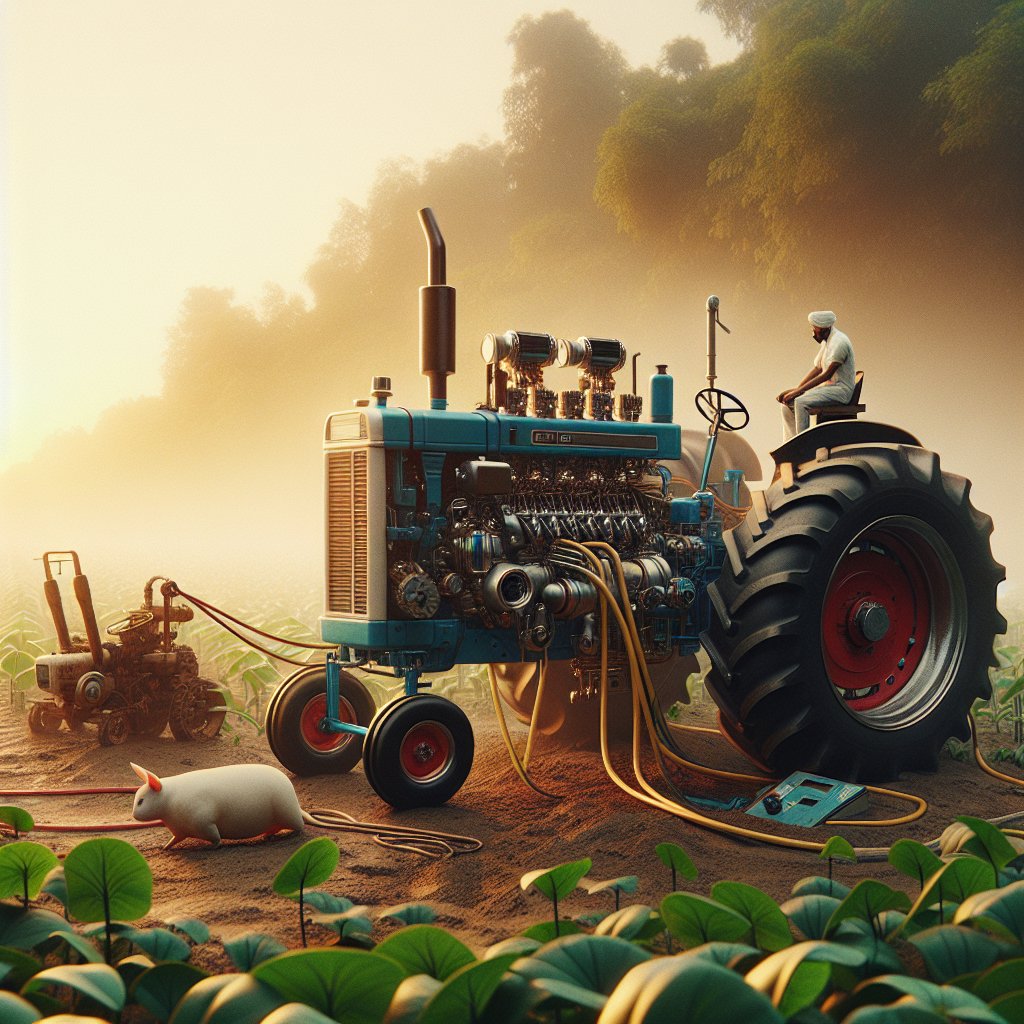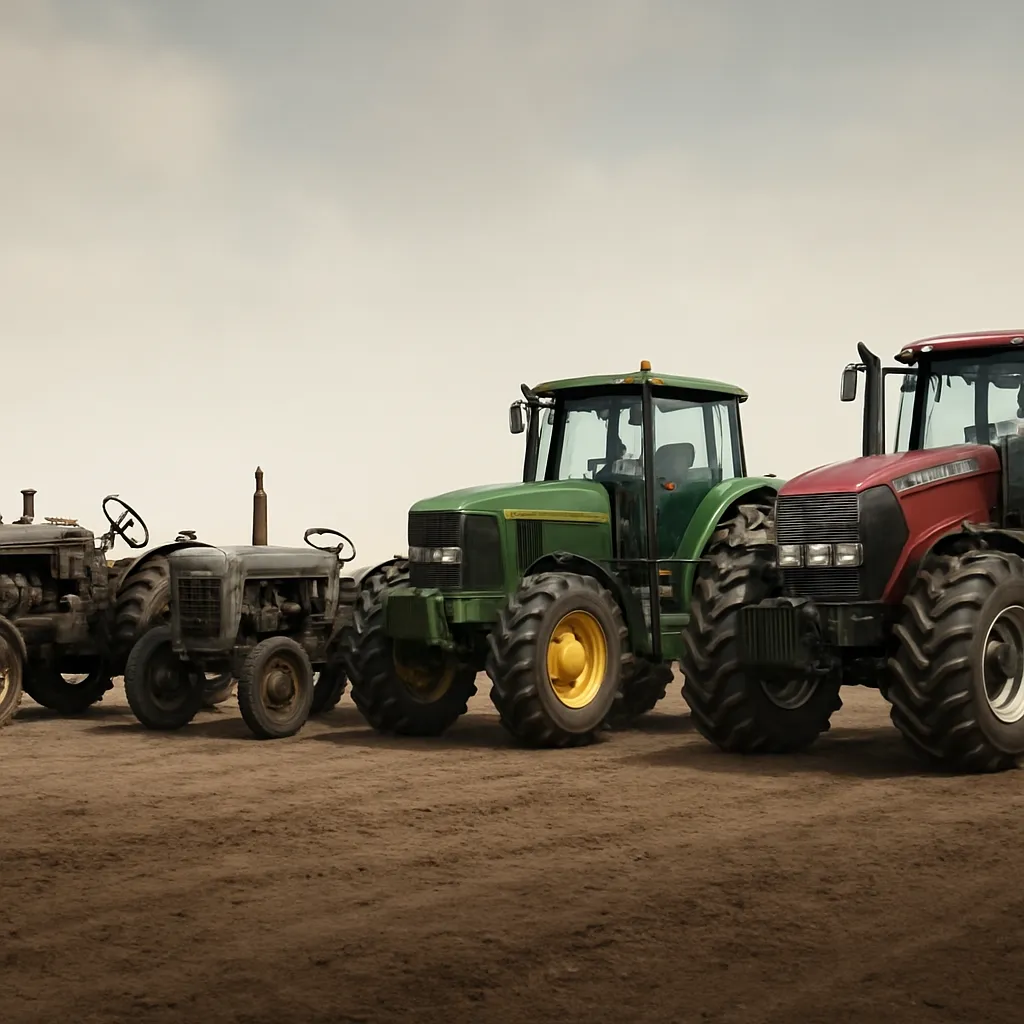
The evolution of tractor engine technology has profoundly shaped the face of modern farming and industrial applications. From humble steam-driven machines to advanced, computer-managed powerhouses, tractors have consistently pushed the boundaries of agriculture and mechanical design. This journey highlights breakthroughs in horsepower, reliability, and efficiency, while addressing environmental concerns such as emissions and embracing digital automation. By examining pioneering innovations in diesel engines, advances in torque delivery, and emerging trends in sustainability, we gain insight into how engineering continues to respond to evolving demands across the globe.
Origins of Tractor Engine Design
The earliest tractors appeared in the late 19th and early 20th centuries, powered primarily by steam. These cumbersome machines replaced draft animals but suffered from low power-to-weight ratios and slow startup times. Early gasoline engines introduced greater portability, yet were limited by fuel volatility and poor cold-weather performance. Pioneering manufacturers recognized that greater firepower and mechanical simplicity would be essential for reliable field work. Steam tractors soon gave way to internal combustion engines, paving the way for compact designs that revolutionized farm operations.
The Shift from Steam to Internal Combustion
Steam engines, often weighing several tons, consumed vast quantities of water and coal. Their complex boiler systems and long warm-up periods made them impractical for small-scale farms. The invention of the four-stroke gasoline engine by Nikolaus Otto and later enhancements by Rudolf Diesel offered a leap forward. The diesel principle—combustion through compression rather than spark ignition—yielded engines with higher thermal efficiency and simplified fuel systems. These engines proved to be a game-changer, enabling tractors to deliver sustained power with lower fuel consumption.
Early Milestones in Power Delivery
By the 1920s, manufacturers such as Fordson, John Deere, and International Harvester began mass-producing gasoline and diesel tractors. The introduction of the Fordson Model F in 1917 demonstrated the potential for affordable, lightweight machines. This era saw the emergence of multi-cylinder engines, improved cooling systems, and basic fuel injection concepts. Engineers experimented with superchargers and mechanical governors to stabilize engine speed under varying loads. Such incremental innovations laid the groundwork for the robust, high-output units familiar today.
Advancements in Engine Performance and Control
As global demand for higher productivity escalated, tractor engines evolved rapidly. Increases in cylinder count and displacement directly boosted horsepower and drawbar pull. However, raw power alone was insufficient. Engineers focused on optimizing combustion efficiency to reduce fuel costs and meeting stricter emissions regulations. This required novel approaches to air-fuel mixing, exhaust gas management, and electronic monitoring. The integration of sensors and microprocessors transformed the tractor engine from a purely mechanical device into a sophisticated electromechanical system.
Fuel Injection and Turbocharging
Mechanical fuel injection systems provided precise metering of diesel under high pressure, improving throttle response and lowering smoke. The next breakthrough was the adoption of turbochargers, which forced more air into the cylinders, increasing the power-to-weight ratio without enlarging the engine block. Combined with intercoolers to reduce intake charge temperature, turbocharged tractors delivered up to 30 percent more power. Manufacturers began offering optional twin-turbo configurations for large models, balancing low-end torque with high-rpm performance.
Electronic Engine Management
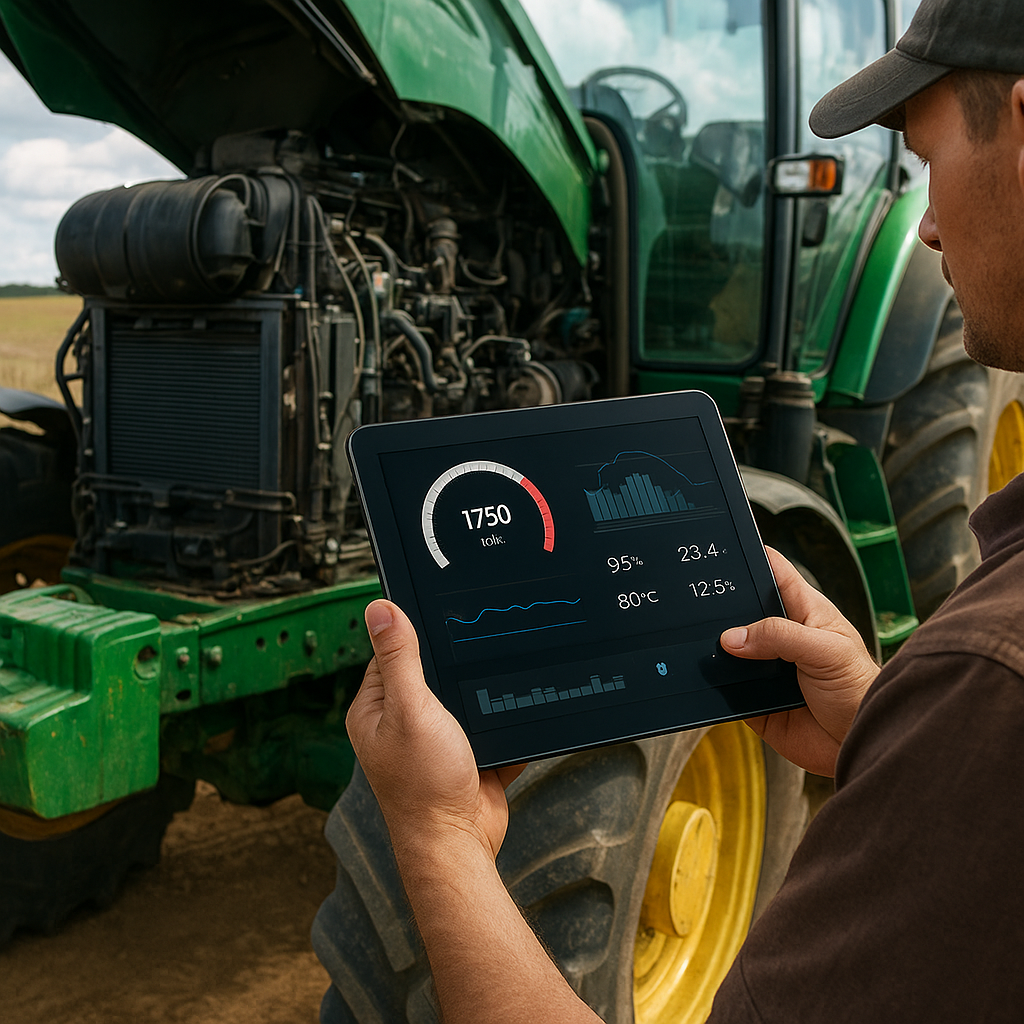
The shift to electronic control units (ECUs) in the 1990s marked a turning point. Real-time data from crankshaft sensors, temperature probes, and intake pressure monitors allowed on-the-fly adjustments of injection timing and quantity. Electronic governors maintained consistent speeds under fluctuating loads. Features such as automatic idle reduction and engine load sensing minimized fuel consumption during non-productive periods. The synergy between hardware and software yielded tractors capable of self-diagnosis, predictive maintenance alerts, and remote monitoring through telematics platforms.
Modern Innovations and Future Directions
Contemporary tractor engines must satisfy a complex blend of performance, durability, and environmental standards. Worldwide Tier and Stage emission regulations have pushed manufacturers to adopt particulate filters, selective catalytic reduction (SCR), and exhaust gas recirculation (EGR). Meanwhile, market pressures demand higher efficiency and lower operating costs, prompting experimentation with hybrid powertrains and alternative fuels. The future promises an even greater integration of digital systems to optimize power delivery and support autonomous operation.
Hybrid and Electrified Powertrains
Hybrid tractors combine a diesel engine with battery-assisted or fully electric drives. During peak load, the electric motor supplements the engine, reducing stress and smoothing torque curves. Regenerative braking and dynamic load management recharge onboard batteries while harvesting energy from implements or descents. Fully electric prototypes are also under development, targeting specialty applications such as orchard work where zero exhaust emissions are critical. The main challenges remain battery energy density, charging infrastructure, and upfront costs.
Alternative Fuels and Sustainability Measures
Biodiesel, renewable diesel, and even hydrogen are gaining traction as low-carbon alternatives. Biodiesel blends can be used in existing engine platforms with minimal modifications, offering reduced greenhouse gas output. Renewable diesel, derived from non-petroleum feedstocks, matches petroleum diesel performance and cold-weather reliability. Hydrogen-fueled internal combustion engines produce only water vapor but require robust storage solutions. As producers pursue circular economy strategies, tractors will likely feature modular fuel systems capable of switching between sources based on availability and cost.
Integration of Precision Farming Technologies
Engine management now intersects with agronomic data. GPS-guided auto-steer, variable-rate application, and implement-sensing all feed algorithms that adjust engine load and operating parameters. This holistic approach delivers optimal ground speed, minimized slippage, and reduced fuel burn. Sensors track soil conditions, crop health, and implement status, transmitting information to the tractor ECU. In turn, the engine adapts torque curves and power output to match real-time requirements, fostering a new era of intelligent, resource-efficient farming machinery.
Conclusion of Technological Journey
The trajectory of tractor engine development reflects broader trends in mechanical engineering, environmental stewardship, and digital transformation. From the first steam-driven behemoths to today’s high-tech, computer-regulated power units, each milestone has expanded the capabilities of modern agriculture. As research continues into hybridization, clean-burning fuels, and autonomous platforms, the tractor engine remains at the heart of innovation, promising greater productivity, lower environmental impact, and seamless integration into the rapidly evolving world of precision farming.