Tractors endure relentless duty across diverse landscapes, driving progress on farms and worksites alike. Effective management of wear and tear demands a proactive approach rooted in thorough maintenance planning. By addressing key stress points and embracing best practices, operators can preserve performance and reliability. This article explores the underlying causes of component fatigue and outlines practical strategies to extend tractor longevity.
Understanding Common Sources of Wear and Tear
Excessive friction and heat form critical drivers of mechanical degradation. When metal parts interact under heavy loads, microscopic abrasions accumulate, leading to accelerated deterioration. Without consistent lubrication, bearings and moving joints suffer from elevated friction, resulting in diminished fuel efficiency and increased downtime. Routine observation of oil discoloration, smoke emissions, or unusual vibrations can reveal early signs of trouble.
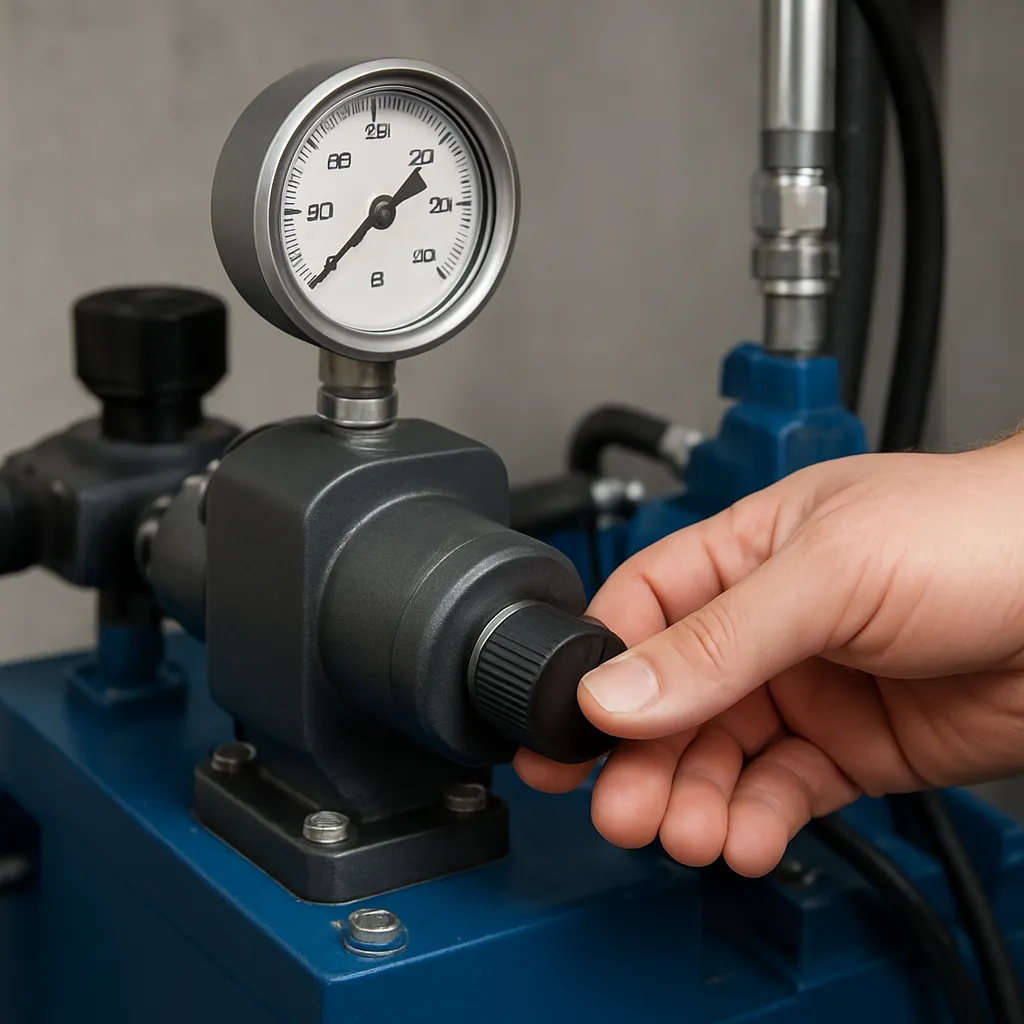
Hydraulic circuits represent another focal point for potential failure. High-pressure fluid flow stresses hoses, seals, and valves, producing leaks or erratic performance. Over time, abrasive particles suspended in the fluid can wear pump gears and cylinder bores, culminating in costly repairs. Implementing a stringent filtration regimen helps maintain system integrity and reduces the risk of unexpected breakdowns.
Transmission systems also endure immense forces during gear shifts and torque transfer. Clutch plates and gear teeth experience repeated stress cycles, which may cause slippage or grinding noises. Wheel differential assemblies and drive shafts must be inspected for play or alignment drift, as minor misalignments can escalate into major component damage over extended use.
Environmental factors exacerbate mechanical wear. Dust, mud, and debris can infiltrate critical zones, abrading surfaces and clogging fluid pathways. High humidity or exposure to corrosive chemicals speeds up rust formation on exposed metal. By understanding these common wear sources, operators can tailor their practices to mitigate risks and uphold operational standards.
Establishing a Routine Maintenance Schedule
Developing a structured service calendar ensures all vital checks occur at optimal intervals. A rigorous routine supports early detection of anomalies and fosters a culture of equipment care. Key tasks include:
- Regular oil and filter changes to sustain optimal engine performance
- Greasing of pivot points, linkages, and bearings for consistent lubrication
- Inspection of hydraulic lines and seals to prevent fluid loss
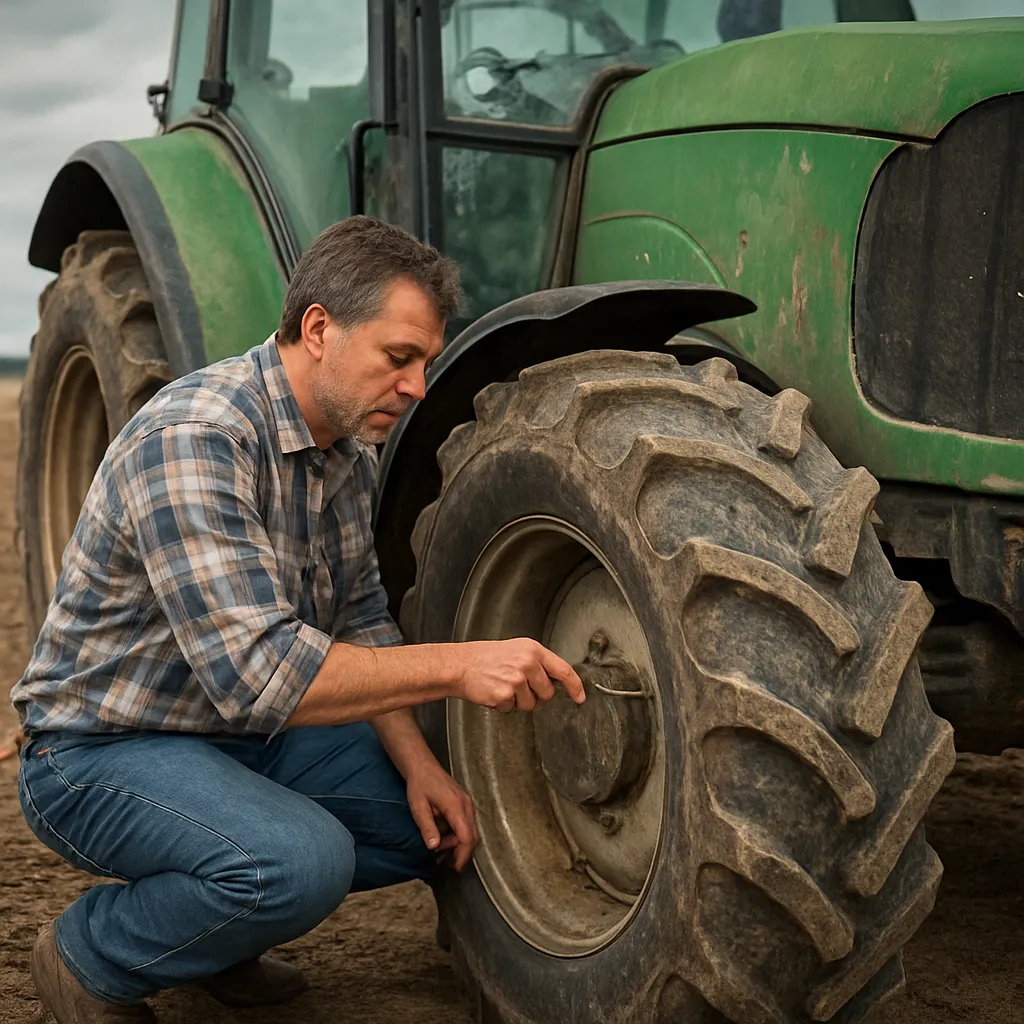
- Monitoring tire pressure and tread depth for safe traction
- Evaluation of battery health and electrical connections
Maintenance intervals should be based on manufacturer guidelines, adjusted for workload severity and environmental conditions. Recording service activities in a logbook provides a historical reference, helping technicians anticipate upcoming needs and budget for replacement parts.
Seasonal adjustments are equally vital. Before winter sets in, antifreeze levels and heater functionality must be verified to avert freeze-related failures. During harvest periods, shorten inspection cycles to cope with increased operating hours. This adaptive scheduling boosts equipment readiness when demands peak.
Caring for Critical Components
Engine Longevity
The engine stands as the heart of any tractor. Maintaining clean combustion chambers, proper fuel injection timing, and accurate valve clearances curtails power loss and prevents mechanical strain. Periodic compression tests illuminate worn piston rings or cylinder walls, signaling the need for overhaul before catastrophic breakdowns.
Hydraulic System Health
High-quality fluid and genuine filters are non-negotiable for robust hydraulics. Contaminant ingress can abrade pump gears and compromise valve integrity. Replace filters at recommended intervals and flush the system when switching fluid brands. Always observe proper fluid fill levels to avoid internal cavitation and erratic actuator response.
Protecting Transmission and Drivetrain
Meticulous attention to the gearbox and differential extends service life dramatically. Change transmission fluid according to hours of operation, performing a visual inspection of fluid color and consistency. Any metallic particles or burning odor signal accelerated gear wear. Additionally, examine universal joints and bearings for play or noise, addressing issues promptly.
Filter and Fluid Management
Filters shield critical parts from abrasive debris. Fuel, air, and filters must be replaced before they reach maximum clog levels, ensuring steady flow. Adopt high-capacity spin-on filters in dusty settings to prolong replacement intervals. When changing fluids, fully drain old oil to eliminate suspended particles that could compromise fresh lubricant.
Enhancing Durability through Proper Operation and Storage
Operator technique significantly influences component lifespan. Engaging gears smoothly, avoiding sudden torque spikes, and refraining from overloading protect mechanical parts. Encourage trained operators to follow warm-up and cool-down protocols, allowing oil to circulate and heat to dissipate evenly. Such habits minimize stress on internal surfaces and extend service intervals.
Correct storage conditions prevent rust and rubber degradation. Park tractors in sheltered, well-ventilated areas to avoid moisture accumulation. Use protective covers over engine intake and exhaust ports to block pests and particulate infiltration. When extended inactivity is expected, drain fuel or add stabilizers to inhibit varnish formation in the fuel system.
Implement a cleaning regimen to remove corrosive residues after fieldwork. Pressure washing undercarriages, wheel wells, and chassis areas eliminates caked mud and prevents premature wear of paint and metal. Regular waxing of exposed panels adds a protective barrier against oxidation and UV damage. By combining operational best practices with thoughtful storage, tractors maintain peak reliability throughout their service life.