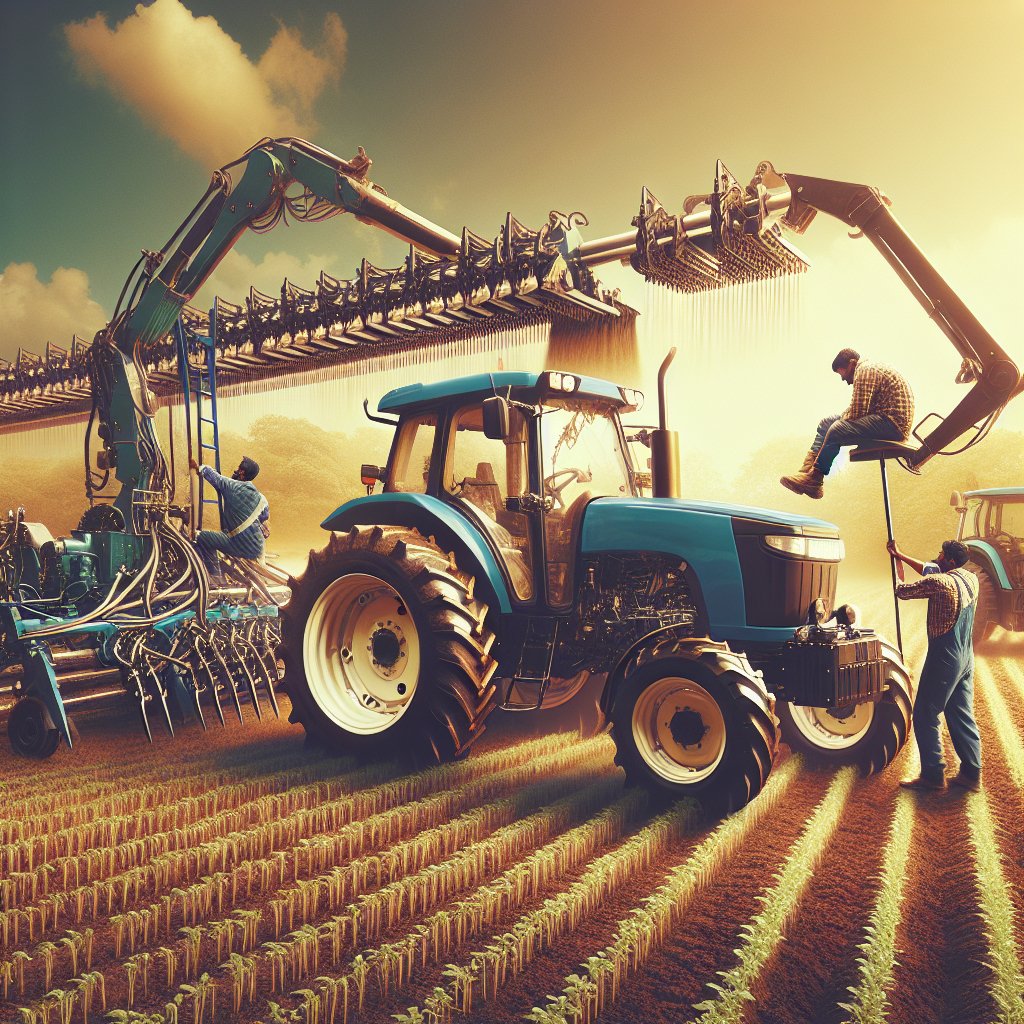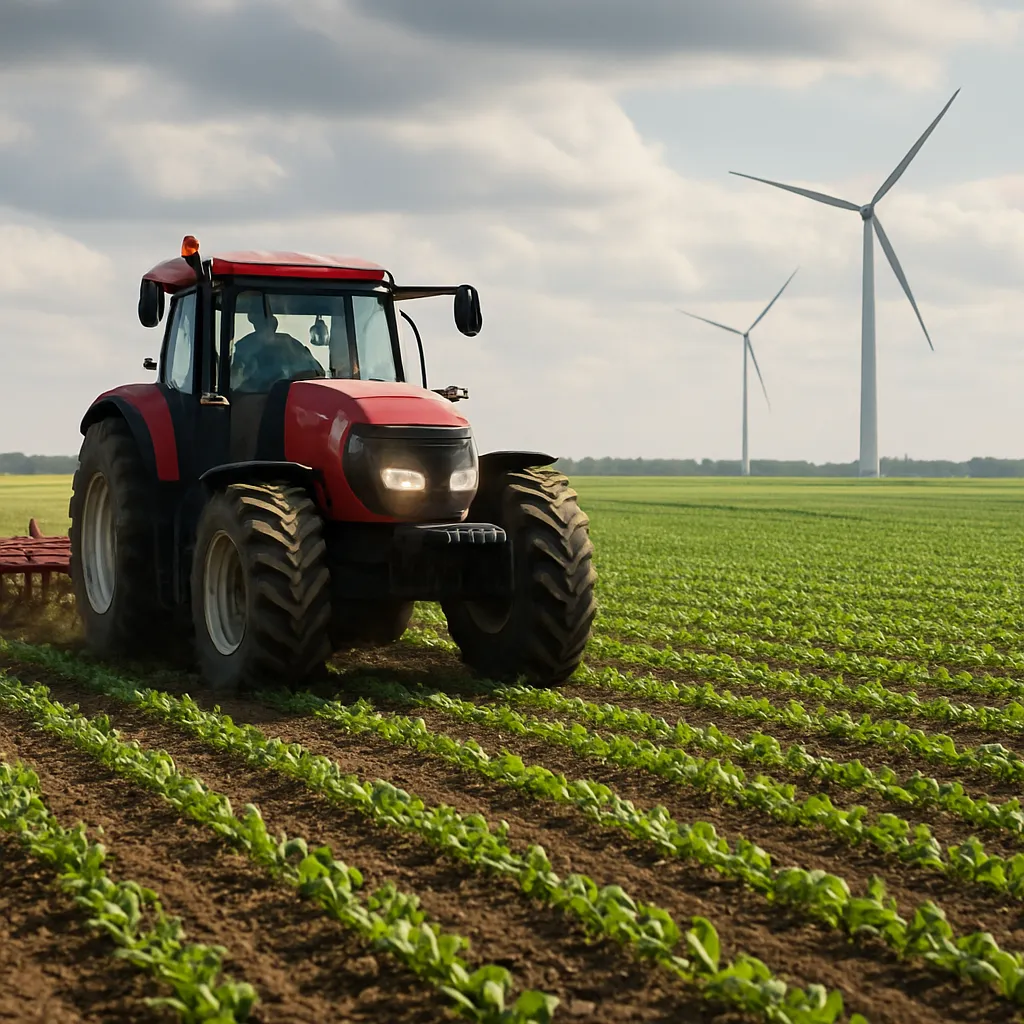
Climate-smart agriculture is evolving rapidly to address the pressing challenges of global food security and environmental sustainability. Tractors, long considered the workhorses of modern farming, are now at the forefront of this transformation. By integrating advanced technologies and sustainable practices, today’s tractors do more than just pull plows—they become instruments of innovation, resilience, and adaptation in the face of climate change.
Technological Advancements Driving Climate-Smart Tractors
Recent breakthroughs in engineering and digitalization have revolutionized tractor design. These next-generation machines leverage a combination of precision tools, alternative powertrains, and data analytics to minimize greenhouse gas emissions and optimize resource use.
Electrification and Alternative Fuels
- Fuel-efficient electric motors reduce reliance on diesel, cutting carbon emissions by up to 90% during operation.
- Hydrogen fuel cells offer rapid refueling and zero tailpipe emissions, paving the way for heavy-duty applications in large-scale farming.
- Biofuels and renewable diesel blends capitalize on existing engine platforms while lowering the overall carbon footprint of field operations.
Precision Agriculture Systems
- GPS-guided auto-steer systems enable centimeter-level accuracy to prevent soil compaction and decrease overlap between passes.
- Variable rate technology (VRT) adjusts seeding, fertilization, and irrigation rates in real time based on field variability maps.
- Onboard sensors measure soil moisture, organic matter, and nutrient status, feeding data into farm management software.
Digitalization and Connectivity
Integration of Internet of Things (IoT) modules allows tractors to communicate with satellites, drones, and soil probes. This digitalization enhances decision-making by providing:
- Live telemetry on engine performance, enabling predictive maintenance and minimizing downtime.
- Cloud-based dashboards that aggregate data from multiple machines for comprehensive fleet management.
- Machine learning algorithms that forecast yield outcomes and recommend optimal planting windows.
Implementing Climate-Smart Tractor Practices on the Farm
Beyond hardware upgrades, the effectiveness of tractors in climate-smart agriculture depends on adopting holistic practices. Farmers and agronomists collaborate to tailor each operation to environmental conditions and sustainability goals.
Conservation Tillage and Soil Health
- No-till and reduced-till implements, often attached to specialized tractors, protect soil structure and increase carbon sequestration in the topsoil.
- Cover crop sowing equipment, integrated with precision controls, ensures uniform establishment of legumes and grasses that fix nitrogen naturally.
Adaptive Guidance and Operator Training
Automated guidance systems cut down operator fatigue and human error. To maximize the benefits:
- Farmers receive training in software interfaces and data interpretation to fully exploit onboard analytics.
- Simulators and virtual reality modules allow operators to practice advanced maneuvers in a risk-free environment.
Resource-Efficient Water Management
- Tractor-driven irrigation rigs equipped with flow sensors automate water distribution according to soil moisture readings.
- Integration with remote-sensing technology from drones or satellites triggers irrigation only when plant stress thresholds are reached.
Economic and Environmental Impacts of Climate-Smart Tractors
Adopting climate-smart tractors involves upfront investment in new equipment and training, but the long-term benefits often outweigh initial costs. These machines not only help farmers comply with evolving regulations but also drive profitability through enhanced operational efficiency.
Cost-Benefit Analysis
- Lower fuel consumption and reduced maintenance frequency translate into significant cost savings over the machine’s lifespan.
- Precision input application cuts down fertilizer and pesticide expenses by up to 20%, while maintaining or increasing yields.
- Access to green finance and subsidy programs further offsets the capital expenditure for sustainable machinery.
Greenhouse Gas Mitigation
Tractors equipped with alternative powertrains and precision systems can reduce direct carbon emissions from field operations by 30–70%. When combined with soil-enhancing practices, the net effect can be:
- A measurable drop in overall farm carbon intensity per ton of crop produced.
- Increased resilience against climate variability, as healthier soils store more water and nutrients.
- Enhanced public perception and market access through eco-labeling and carbon credit schemes.
Policy Incentives and Market Trends
Governments and international bodies are introducing frameworks to accelerate the adoption of climate-smart equipment:
- Tax credits and grants for farmers who purchase renewable energy-powered tractors.
- Emissions trading systems that reward low-carbon farming practices.
- Public–private partnerships supporting research on next-gen implements, including autonomous tractor fleets.
Future Directions for Tractor-Driven Climate Action
The trajectory of tractor innovation points towards fully autonomous fleets, powered by hybrid and electric drivetrains, working in concert with robotics and AI. Key areas of ongoing research include:
- Swarm robotics, where multiple compact tractors collaborate on tasks, reducing soil traffic and fuel use.
- Advanced telematics that integrate weather forecasting, pest pressure models, and market-price analytics.
- Biodegradable machine components and eco-friendly lubricants to minimize end-of-life waste.
As the agricultural sector intensifies efforts to feed a growing global population under changing climatic conditions, tractors will remain indispensable. By embracing cutting-edge technologies and sustainable practices, these machines will continue to play a vital role in building a more adaptive, innovative, and climate-resilient agricultural landscape.