Tractor maintenance often hinges on the correct application of torque, a critical factor that directly influences the lifespan and performance of agricultural machinery. Professionals and hobbyists alike must develop a thorough grasp of how to manage bolt tightness, tool calibration, and component-specific settings to guarantee reliable operation and avoid costly downtime.
Mechanics of Torque in Tractor Components
Fundamentals of Bolt Tension and Clamping Force
When a bolt is tightened, it creates a clamping force that holds together two or more parts. This force depends on the precision of the applied torque, the quality of the fastener, and the surface condition between mating parts. Under-tightening can lead to component separation, while over-tightening risks stripping threads or even fracturing sensitive parts.
Influence of Material Properties
Different metals exhibit varying degrees of ductility and yield strength. Steel bolts, for example, require distinct torque recommendations compared to aluminium or composite fasteners. Ignoring these differences compromises safety and structural integrity, especially around high-stress areas like the engine head, transmission housing, and front axle assembly.
The Role of Torque Wrenches and Calibration
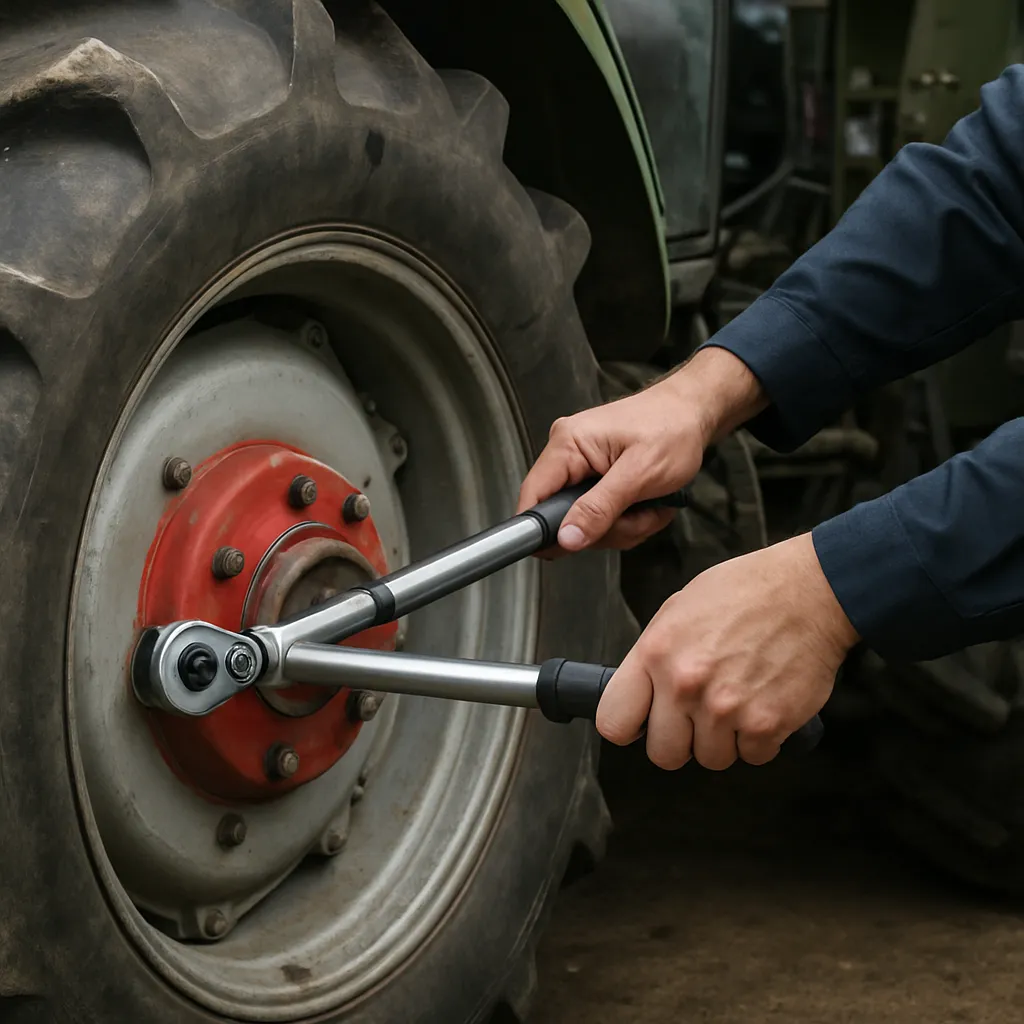
Utilizing a calibrated torque wrench ensures that the applied force matches manufacturer specifications. Modern wrenches can be calibrated to traceable standards, reducing the margin of error from as much as 20% down to less than 4%. Regular calibration intervals—often specified every 6 to 12 months—are crucial to maintain accurate readings.
- Click-type torque wrenches: Provide an audible click when the preset torque is reached.
- Beam-type torque wrenches: Offer continuous torque indication via a deflecting beam.
- Electronic torque wrenches: Deliver digital readouts and recording capabilities for maintenance logs.
Implications of Torque Settings in Maintenance Procedures
Engine and Cylinder Head Fastening
Correct torque on cylinder head bolts is paramount to maintain an effective seal between the head and block. Improper tightening can lead to coolant leaks, oil contamination, and costly head gasket failures. A step-by-step torque sequence—often in multiple stages—increases uniform distribution of clamping force and prevents warping.
Transmission and Drivetrain Connections
Axle shafts, differential covers, and gearbox casings rely on proper torque to prevent leaks under high rotational loads. Over-torqued drain plugs might shear threads in softer aluminium housings, while under-torqued fasteners allow fluid seepage and contamination. Adhering to torque charts provided by OEMs ensures reliability during heavy field operations.
Hydraulic System Fittings
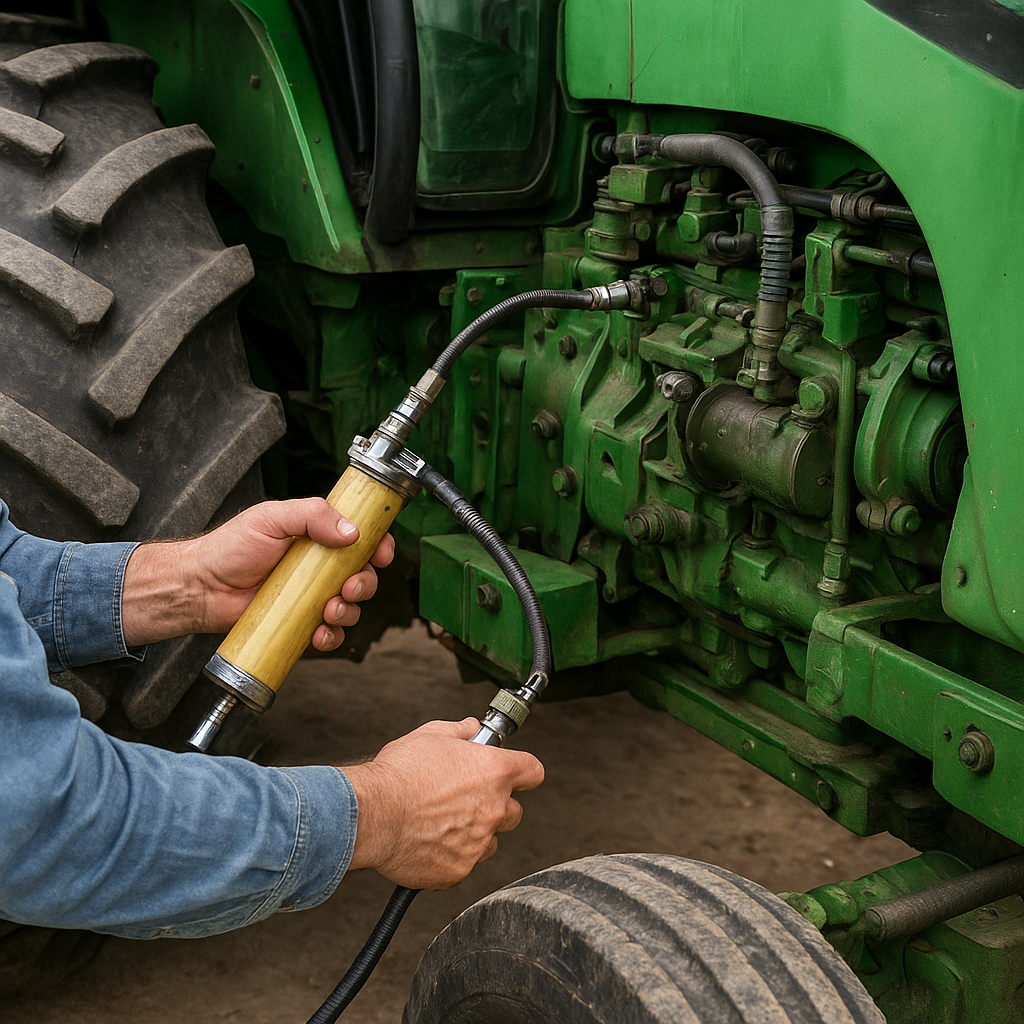
Hydraulic lines operate under immense pressure. Loose fittings risk high-pressure leaks that pose both safety hazards and loss of functional fluid. Using correct torque values—combined with proper thread sealants—preserves hydraulic efficiency and prevents environmental contamination.
- Verify coupling threads and ferrule condition before assembly.
- Apply thread sealant sparingly to avoid contamination.
- Torque to specification and double-check after first run-in period.
Long-term Benefits of Proper Torque Management
Enhanced Component Durability and Reduced Downtime
Consistently correct torque application extends the life of bolts, gaskets, and mating surfaces. By reducing the risk of fatigue failure, operators can schedule maintenance on their own terms rather than responding to sudden breakdowns. This approach improves fleet performance metrics and lowers repair costs over the life cycle of the machine.
Improved Safety and Operator Confidence
Well-maintained tractors with properly fastened parts minimize the risk of catastrophic failures. Whether transporting heavy loads or navigating rough terrain, operators gain confidence knowing that every component—from the drawbar to the three-point hitch—is securely tightened. This focus on torque translates into a safer work environment and fewer accident-related losses.
Optimized Fuel Economy and Machine Efficiency
Incorrectly tensioned components can introduce mechanical drag, leading to higher fuel consumption and reduced efficiency. Properly torqued bearings, shafts, and couplings ensure smooth power transmission from the engine to the wheels or PTO. Over time, these marginal gains in efficiency accumulate, yielding significant savings in operational costs.
Best Practices for Torque Documentation and Quality Control
Maintaining a detailed log of torque values, tool calibration dates, and replacement fasteners enhances quality control. Utilizing digital maintenance management systems allows technicians to review historical data, identify recurring torque-related issues, and refine assembly processes. Implementing a checklist that includes torque verification steps ensures nothing is overlooked during scheduled service intervals.
Training and Standard Operating Procedures
Regular training sessions for maintenance personnel on torque tool usage and the importance of correct settings foster a culture of durability and attention to detail. Standard Operating Procedures (SOPs) should articulate:
- Torque value references for each major tractor model.
- Calibration schedules and responsible personnel.
- Inspection criteria to identify torque-induced wear or distortion.
Continuous Improvement through Feedback Loops
Collecting feedback from field technicians about recurring torque challenges or fastener failures drives continuous improvement. By analyzing failure modes—such as thread galling or bolt elongation—manufacturers and service providers can update torque specifications, recommend superior fasteners, or refine lubrication protocols to mitigate future issues.