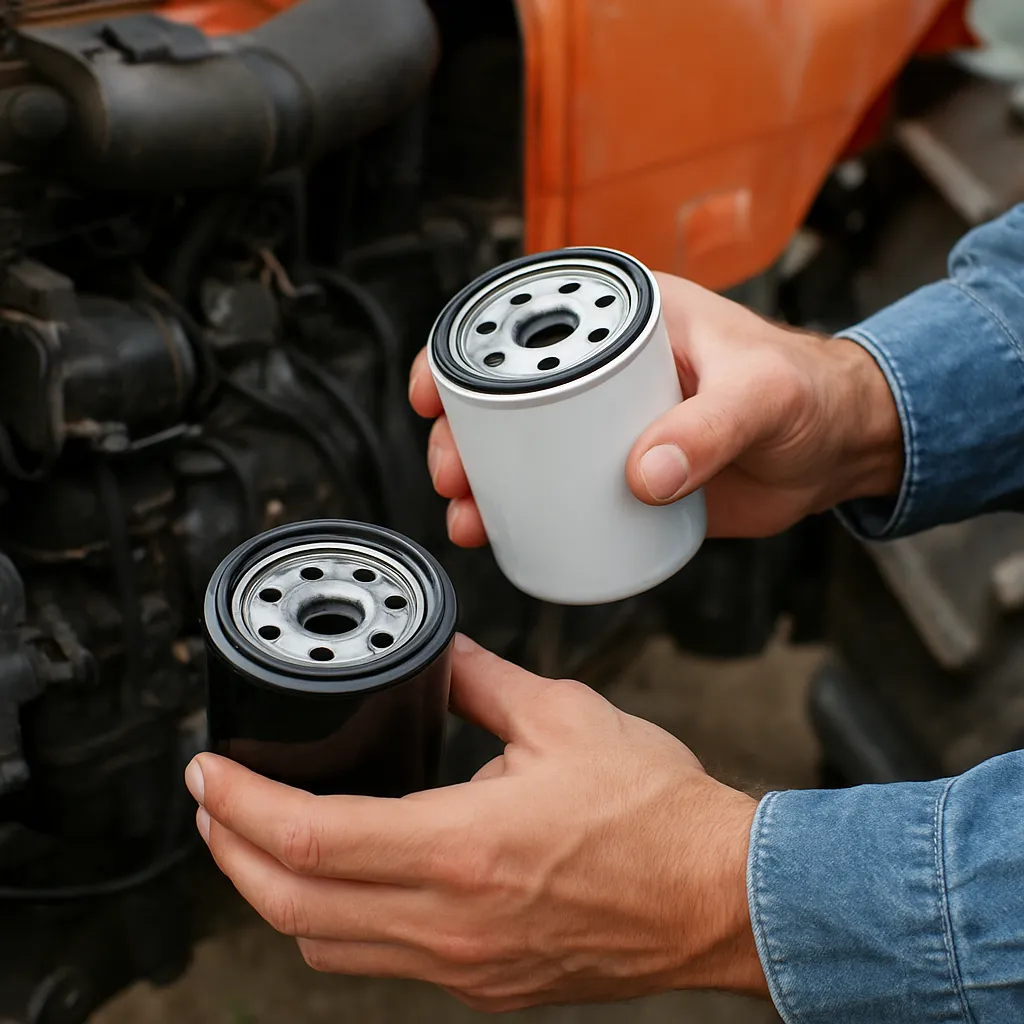
Selecting the right oil filter for your tractor is more than just picking the first part number you find. A proper filter plays a crucial role in maintaining the engine health, extending service intervals, and ensuring reliable performance in the field. This article will guide you through the essential factors to consider, helping you make an informed decision for your tractor’s lubrication system.
Understanding Oil Filters and Their Importance
Every tractor’s power unit relies on clean oil to reduce friction, dissipate heat, and protect moving parts. Over time, contaminants such as metal particles, dirt, and carbon deposits accumulate in the oil, risking premature wear and potential failure. An oil filter removes these impurities through filtration media, preventing them from circulating and damaging vital components.
- Particle Removal: Filters capture debris down to a specific micron rating, measured in micrometres. Lower ratings remove finer particles but may reduce oil flow if not properly designed.
- Bypass Valve: When a filter becomes clogged or oil is too thick in cold starts, a bypass valve opens to ensure continued oil supply to the engine, avoiding oil starvation.
- Anti-Drainback Valve: Prevents oil from draining out of the filter when the engine is off, ensuring immediate lubrication upon startup.
- Media type: Paper, synthetic blends, or full synthetic media each offer different performance and lifespan characteristics.
Key Features to Consider
Not all oil filters are created equal. To optimize performance and durability, evaluate the following features:
Filter Media Quality
The core of any oil filter is its media. Choose between:
- Cellulose or paper media: cost-effective but lower dirt-holding capacity.
- Synthetic blends: improved dirt retention and flow under stress.
- Full synthetic: highest efficiency, consistent flow at extreme temperatures, and extended service intervals.
Micron Rating and Filtration Efficiency
A filter’s micron rating specifies the smallest particle size it can trap. Typical ratings range from 10 to 30 microns. A lower rating means finer filtration, but beware of reduced flow if the filter’s design cannot maintain oil pressure. Check the efficiency percentage—filters with 95%+ efficiency at 20 microns provide robust protection.
Construction and Seal Integrity
High-quality filters feature:
- Durable steel housing to withstand high viscosity oil pressures.
- Reinforced end caps and center tubes for collapse resistance.
- Reliable gaskets and compatibility with different oil types and additives.
Filter Type: Spin-on vs Cartridge
Tractors may use two main styles:
- Spin-on: Self-contained unit that threads onto the engine. Easy to replace but generates more waste.
- Cartridge: Requires reusable housing, replacing only the inner cartridge. Eco-friendlier and often more cost-effective over time.
Compatibility with Tractor Models and OEM Specifications
Ensuring the correct fit for your tractor is paramount. Always cross-reference your tractor’s manual or OEM part number for:
- Thread size and pitch
- Filter length and gasket diameter
- Bypass valve opening pressure
Aftermarket brands may offer filters that match or exceed OEM standards, but verify independent test data or industry certifications. Reputable manufacturers will list equivalent part numbers for major tractor brands, guaranteeing form, fit, and function.
Installation and Maintenance Tips
Proper installation and routine checks maximize filter performance and longevity:
- Always apply a thin film of clean oil to the new filter’s gasket before installation to ensure a proper seal.
- Tighten spin-on filters by hand, then an additional 3/4 turn—avoid over-tightening, which can damage threads or crush the housing.
- Inspect the old filter for metal shavings or unusual debris, which may indicate internal engine issues.
- Follow recommended service intervals: typically every 100–200 hours of operation, depending on tractor model and working conditions.
- Store filters in a clean, dry area to prevent contamination before installation.
Advanced Considerations for Heavy-Duty Applications
Tractors used in demanding environments such as construction, forestry, or large-scale agriculture may require specialized filters:
- High-flow filters for engines with increased lubrication demands.
- Filters with enhanced anti-drainback valves for irregular startup cycles.
- Specialized seals and gaskets compatible with biofuels or extended-life oils.
- Monitoring solutions: integrated filter condition sensors can alert operators when pressure differentials exceed safe thresholds.
Ensuring Long-Term Engine Protection
Choosing the right oil filter is a partnership between careful selection, correct installation, and regular maintenance. By prioritizing high-quality media, appropriate micron ratings, and strict adherence to OEM specifications, you safeguard your tractor’s engine against premature wear, maintain peak performance, and reduce downtime. Whether you opt for spin-on convenience or the sustainability of a cartridge system, the right filter will deliver clean lubrication and peace of mind for every hour on the field.