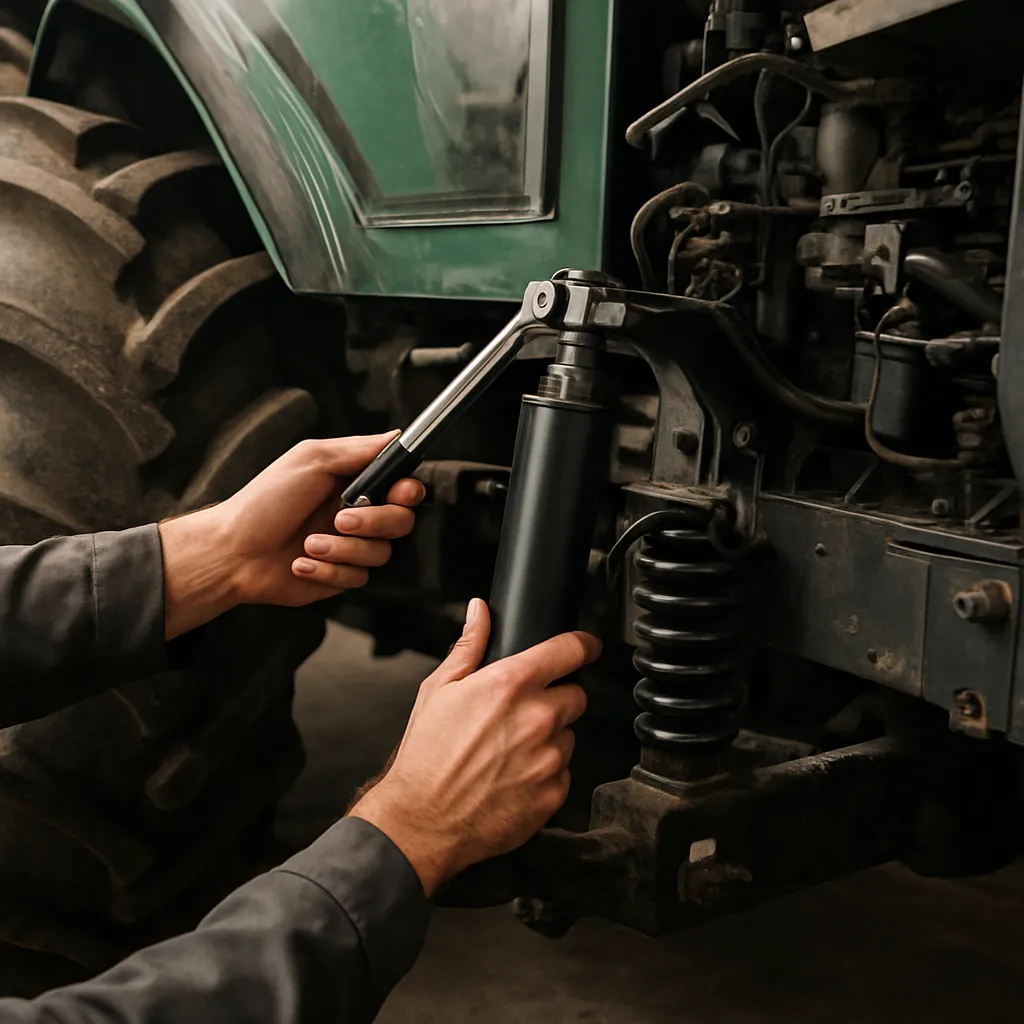
Excessive smoke rising from the exhaust of a tractor signals underlying mechanical issues that, if left unchecked, can lead to costly downtime and **performance** degradation. Understanding the root causes and applying targeted solutions is crucial for every farmer and mechanic seeking to restore optimal function. This guide outlines practical steps to identify, diagnose, and resolve smoking issues, ensuring your tractor remains a reliable asset in the field.
Common Causes of Excessive Smoke
Smoke color and volume are key indicators of specific faults. Before diving into repairs, observe the hue and density of the emissions. Here are the usual suspects:
- Blue Smoke often points to oil burning within the combustion chamber. Worn piston rings or damaged cylinder walls allow engine oil to seep past seals and ignite.
- Black Smoke suggests a rich fuel mixture. Faulty injectors, clogged air filters, or a malfunctioning fuel pump can overload the chamber with unburned diesel.
- White Smoke may be steam from coolant entering the combustion space due to a blown head gasket or cracked block.
Addressing these issues demands a closer look at critical components such as piston rings, head seals, and fuel delivery systems.
Diagnosing the Problem
Inspecting the Combustion Chamber
Begin by removing the cylinder head to examine the condition of the pistons, rings, and walls. Look for scoring, carbon buildup, or melted areas that compromise compression. A leak-down test can quantify ring integrity and seal performance.
Evaluating the Fuel System
Analyze the injectors with a professional bench test to confirm proper spray patterns and delivery volumes. Dirty injectors lead to incomplete combustion and thick black smoke. Check the fuel filter for blockages and ensure the lift pump maintains adequate pressure.
Checking Valve Trains and Seals
Valve guides and stem seals deteriorate over time, allowing oil to drift into the intake and exhaust ports. Remove the valve cover to assess wear and measure clearances. Replace seals that show brittleness or leakage.
Effective Repair Techniques
Reconditioning the Engine Block
If cylinder wall wear is excessive, consider a bore honing or full re-bore job. Install matching oversize pistons and rings to restore compression. Clean all oil passages to prevent future lubrication deficiencies.
Installing New Gaskets and Seals
Always replace head gaskets, valve cover gaskets, and oil pan seals with OEM-quality parts. Apply the correct torque sequence when tightening head bolts to avoid warping and ensure a perfect seal against coolant or oil leaks.
Servicing the Turbocharger
For turbocharged models, worn bearings or damaged seals can allow oil to enter the intake, producing blue smoke under load. Disassemble the turbine housing, replace bearings, and inspect the compressor wheel for nicks or imbalance.
Optimizing the Exhaust System
A clogged or damaged muffler can increase backpressure, leading to incomplete combustion. Clean or replace the diesel particulate filter (DPF) and check the exhaust manifold for cracks that could draw in oil vapor.
Renewing Oil and Filtration
Drain old oil and replace with the manufacturer’s recommended grade. Install a high-efficiency oil filter to trap contaminants that accelerate wear on bearings and cylinder liners. Check for proper oil pressure readings after the change.
Preventive Maintenance Strategies
Maintaining a smoking-free tractor hinges on regular care and timely inspections. Adopt the following routine to minimize future issues:
- Change engine oil and filters every 200–250 hours of operation to maintain adequate lubrication.
- Inspect air filters bi-weekly in dusty conditions and replace at first sign of clogging.
- Service fuel injectors annually or every 500 hours to guarantee accurate fuel atomization.
- Perform a coolant system flush every 1,000 hours to protect head gaskets and prevent overheating.
- Conduct compression and leak-down tests during major services to catch wear before it leads to smoke.
Implementing a disciplined maintenance schedule not only reduces smoke but also extends the overall lifespan of your tractor’s critical systems.