Winter poses unique hurdles for maintaining the performance and longevity of a diesel tractor. Extreme lows can compromise vital components, impede cold starts, and risk costly downtime. Implementing a thorough **winterization** routine can safeguard your equipment, ensuring reliable operation when temperatures plummet. This guide covers critical practices to protect your diesel tractor from freezing conditions, maintain **efficiency**, and extend its service life.
Understanding Cold-Weather Challenges for Diesel Engines
Diesel engines thrive on compression ignition, but frigid air and thickened fluids can hamper this process. As temperatures drop, the **viscosity** of engine oil and hydraulic fluids increases, reducing flow and creating added resistance in moving parts. Cold air is denser and holds less moisture, affecting air-fuel mixture and combustion. Additionally, diesel fuel can gel or wax at low temperatures, leading to clogged filters and fuel lines.
Fuel Gelling and Waxing
- At around -10 °C, paraffin wax crystals begin forming in conventional diesel, causing partial blockages.
- Further cooling below -20 °C can result in complete gelation, halting fuel flow entirely.
- Using **fuel additives** and winter-grade diesel reduces pour point and prevents wax buildup.
Battery Performance Degradation
Lead-acid batteries experience reduced capacity at low temperatures, sometimes losing over 50% of their cranking power. Weak batteries struggle to operate starter motors and heating systems like glow plugs. Ensuring optimal battery health is essential for reliable cold starts.
Essential Pre-Winter Maintenance Steps
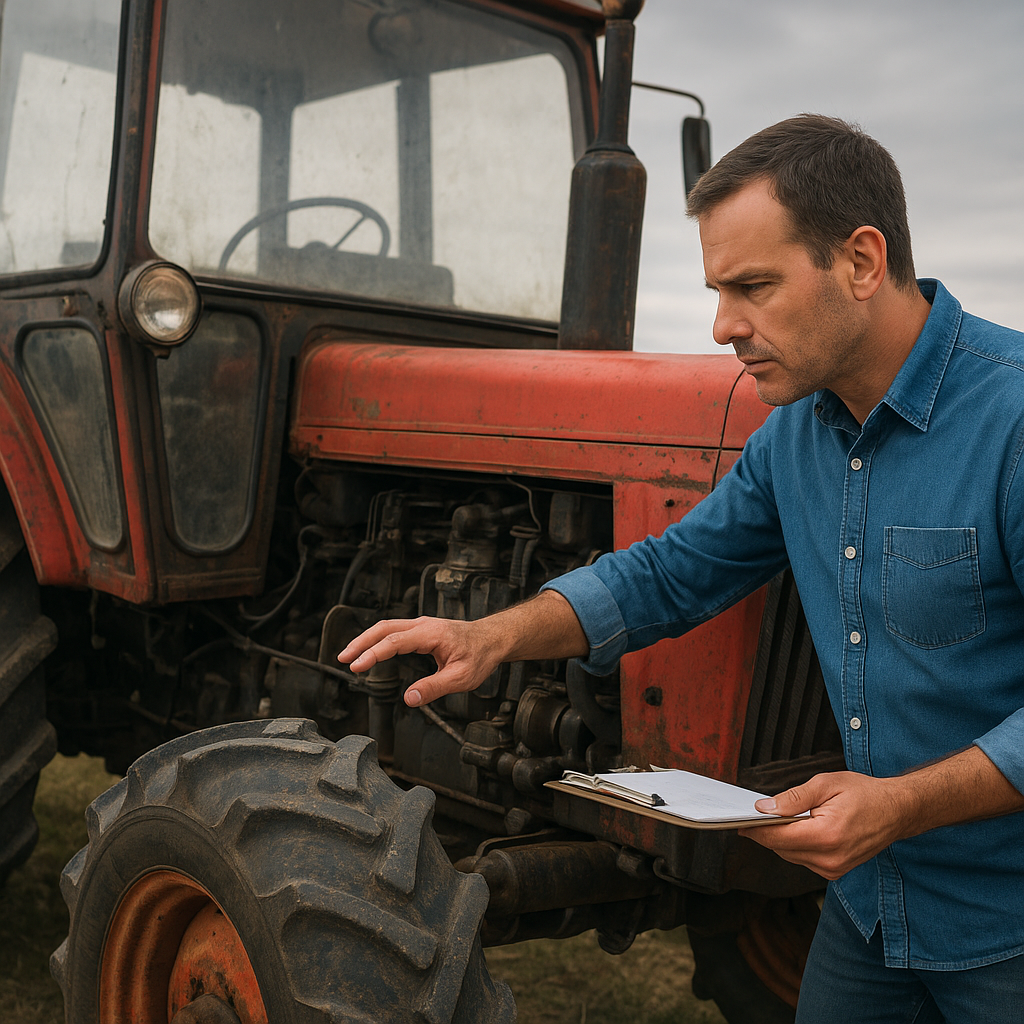
Early preparation before the frost sets in will minimize breakdowns and extend component life. Follow these key steps to get your diesel tractor ready for subzero conditions:
1. Change and Condition Fluids
- Engine Oil: Replace with a lower-viscosity, winter-grade oil (e.g., SAE 5W-40 or 0W-40) to maintain proper lubrication at low temperatures.
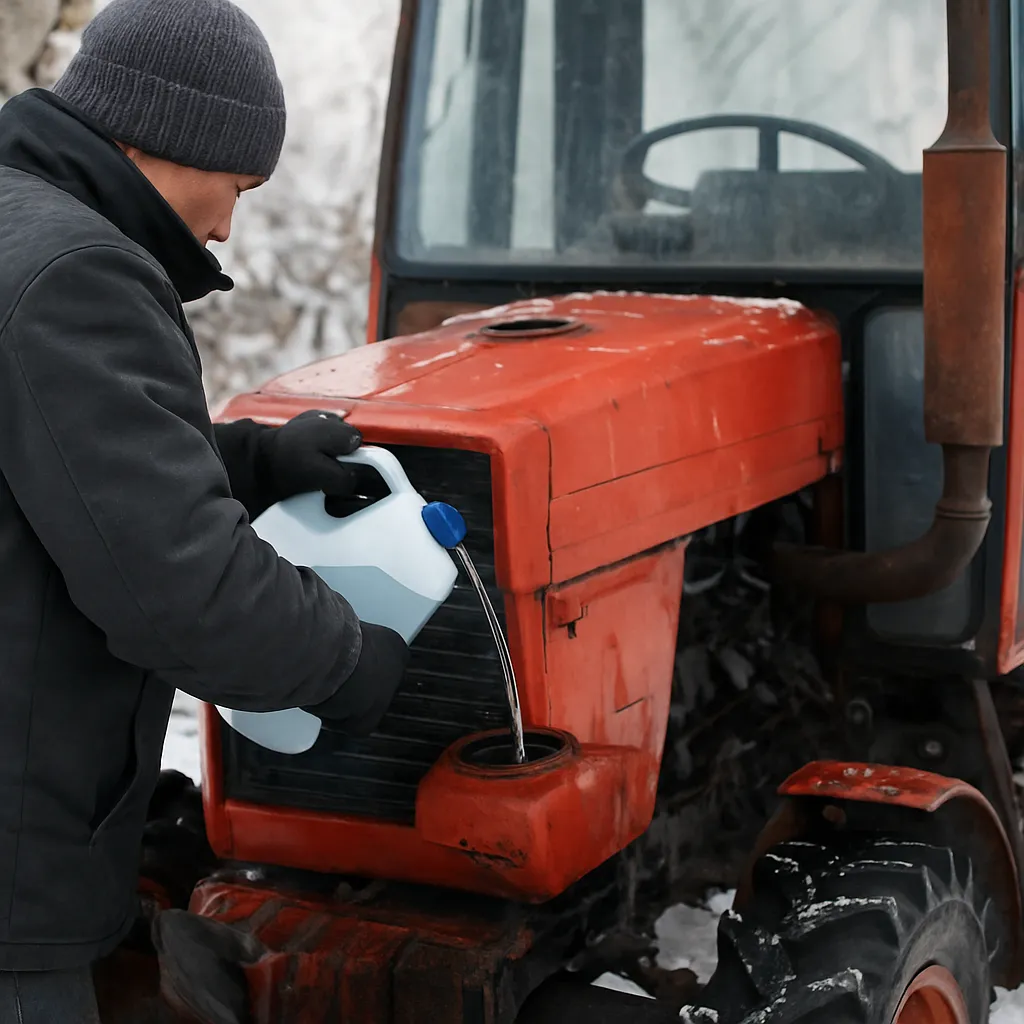
- Coolant/Antifreeze: Test your coolant with a hydrometer. Ensure a proper mix—usually 50/50 water to **antifreeze**—to prevent freezing down to at least -35 °C.
- Hydraulic Fluid: Switch to a winter hydraulic oil designed for cold starts and smooth valve operation.
2. Replace Fuel and Air Filters
Fresh filters ensure maximum flow and prevent contaminants from clogging sensitive injection systems. Consider upgrading to **water-separating** fuel filters to trap moisture that can freeze in lines. Inspect and replace the air filter to maintain ample airflow, as a restricted intake exacerbates cold-start issues.
3. Inspect the Battery and Electrical System
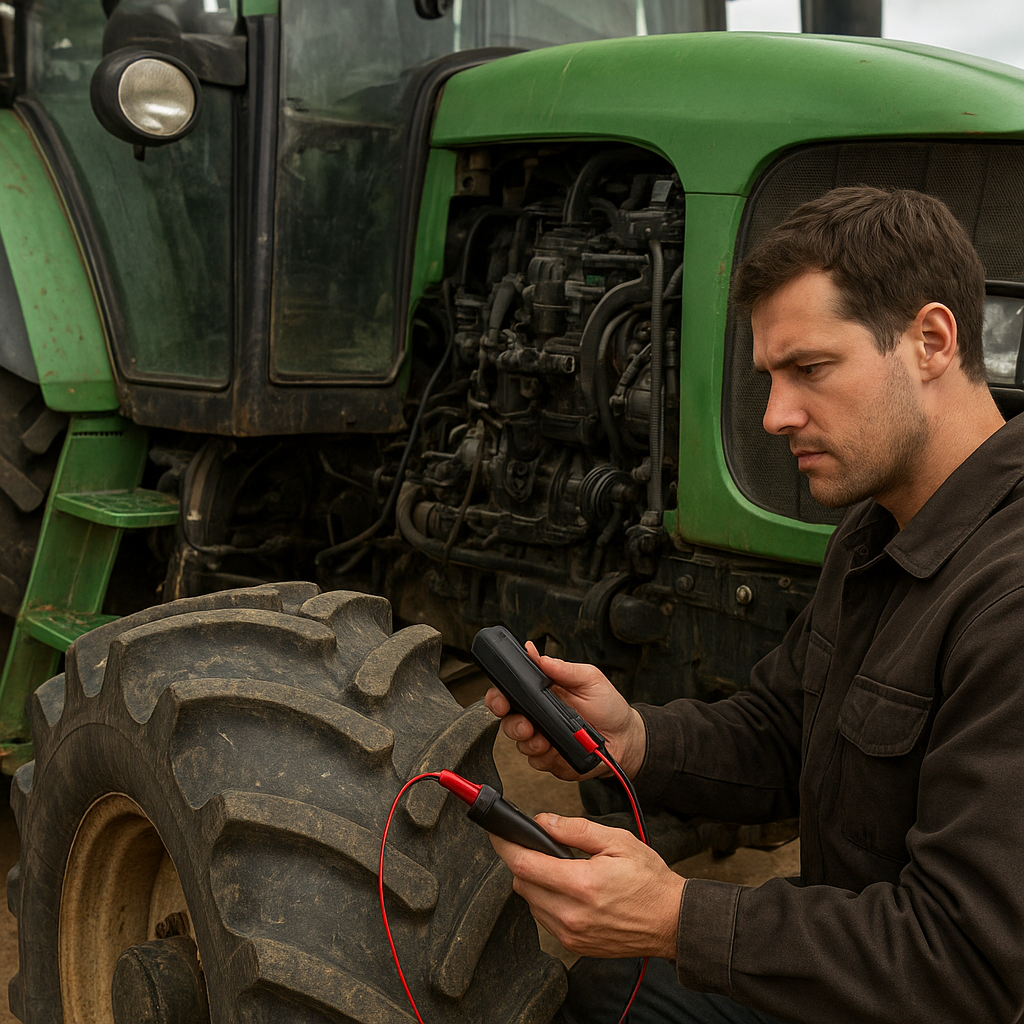
- Perform a load test to measure cranking amps. Replace any battery showing less than 80% of its rated capacity.
- Clean terminals and apply dielectric grease to prevent corrosion and ensure solid connections.
- Check charging system output and cables for wear or damage.
4. Service Glow Plugs and Starter Motor
Functioning glow plugs heat the combustion chamber, significantly reducing cranking times. Test each plug with an ohmmeter; replace any drawing excessive current or showing open circuits. Inspect the starter motor brushes and solenoids for wear and proper engagement.
Advanced Winterization Techniques
For farmers and operators in areas subject to severe cold, investing in specialized accessories and adopting extra precautions can make the difference between uninterrupted work and lengthy repairs.
1. Engine Block and Fuel Tank Heaters
- Install an electrical engine block heater to maintain oil temperature, reduce viscosity, and minimize startup strain on the battery.
- Fuel tank heaters or heating pads prevent fuel gelling and keep lines clear. Position them around the filter housing and lower tank regions.
2. Thermal Blankets and Insulation
Covering the engine with a dedicated thermal blanket helps retain heat after shutdown, reducing cooldown rates. Insulation wraps for hoses and hydraulic lines guard against frost buildup and maintain fluid flow.
3. Use Winter-Blend Diesel and Additives
Partner with your fuel supplier to procure **winter-blend** diesel formulated with lower pour points. Supplement with certified cold-weather additives that disperse wax crystals, inhibit microbial growth, and boost lubricity.
4. Regular Warm-Up Procedures
Implement a consistent pre-operation routine:
- Run the engine at idle for 5–10 minutes before applying any loads. This allows oil to circulate fully and part tolerances to stabilize.
- Cycle the hydraulic controls gently to circulate fluid and warm valve bodies.
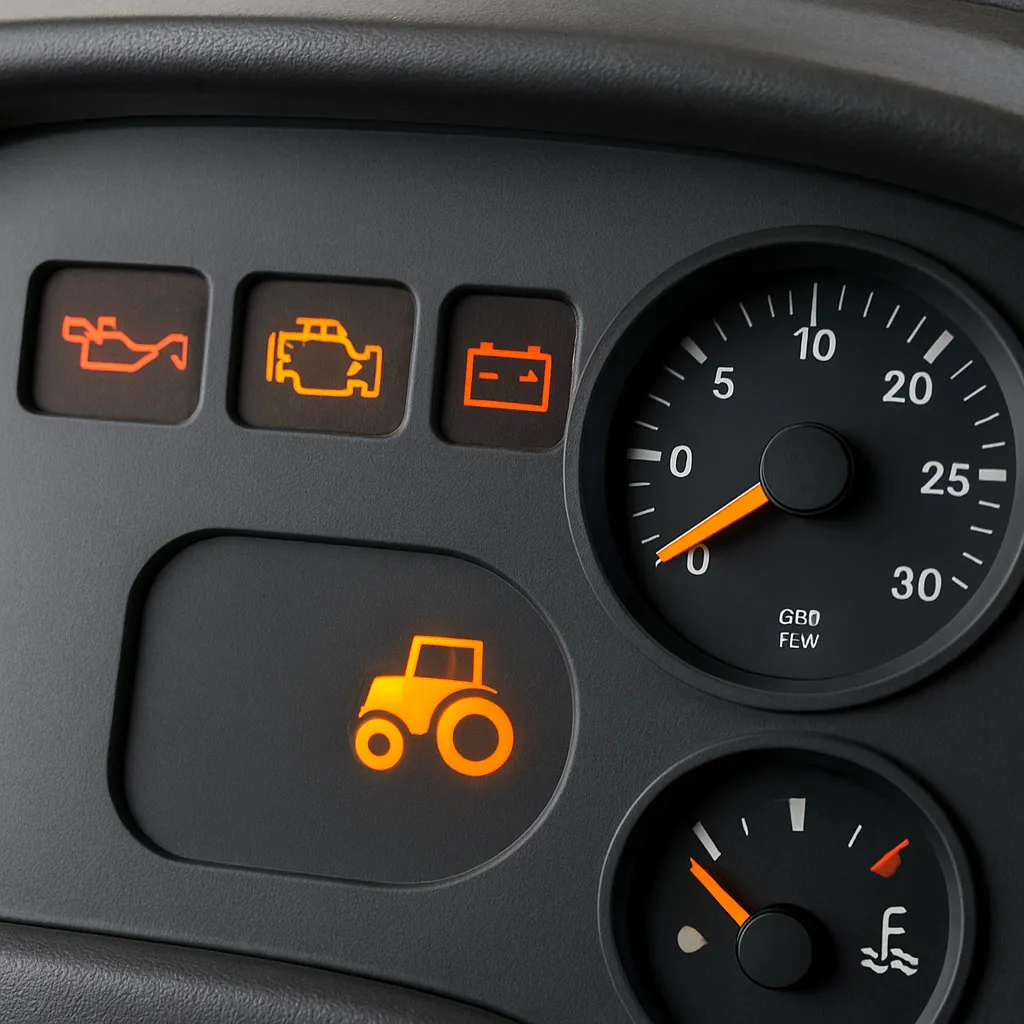
- Monitor instrument readings—oil pressure, temperature gauges—to ensure normal ranges before fieldwork.
Protective Storage and Seasonal Shutdown
When the tractor will be idle for extended periods, proper storage prevents corrosion and component degradation:
1. Thorough Cleaning and Drying
- Remove mud, crop residues, and manure to prevent rust and pest infestation.
- Allow the tractor to air-dry fully or use compressed air to clear moisture from crevices.
2. Fuel Stabilization
Add a **fuel-stabilizing** agent to a topped-off tank to impede oxidation and microbial growth, which can lead to sludge and clogged filters over idle months.
3. Tire and Track Care
Inflate tires to recommended pressures to avoid flat spots. If equipped with tracks, clean and lubricate rollers and pins, and store the tractor on blocks to relax track tension.
4. Battery Maintenance
- Disconnect the negative terminal or remove the battery entirely.
- Store in a cool, dry place above freezing, and keep it on a **float charger** to prevent discharged sulfation.
Implementing these comprehensive winterization strategies will help your diesel tractor conquer sub-zero conditions with confidence. By addressing fluid performance, electrical readiness, fuel stability, and protective storage, you’ll minimize downtime, reduce repair costs, and extend the operational life of your machinery throughout the harshest months.