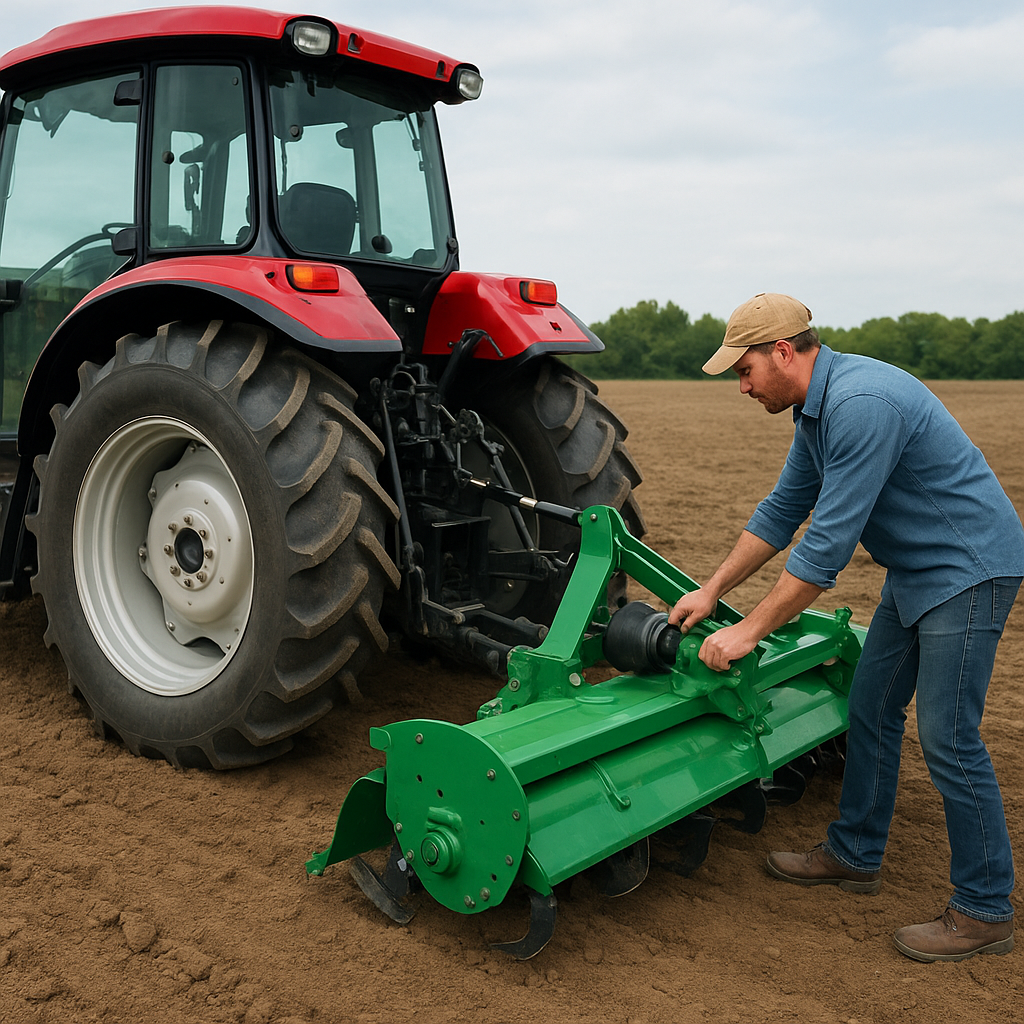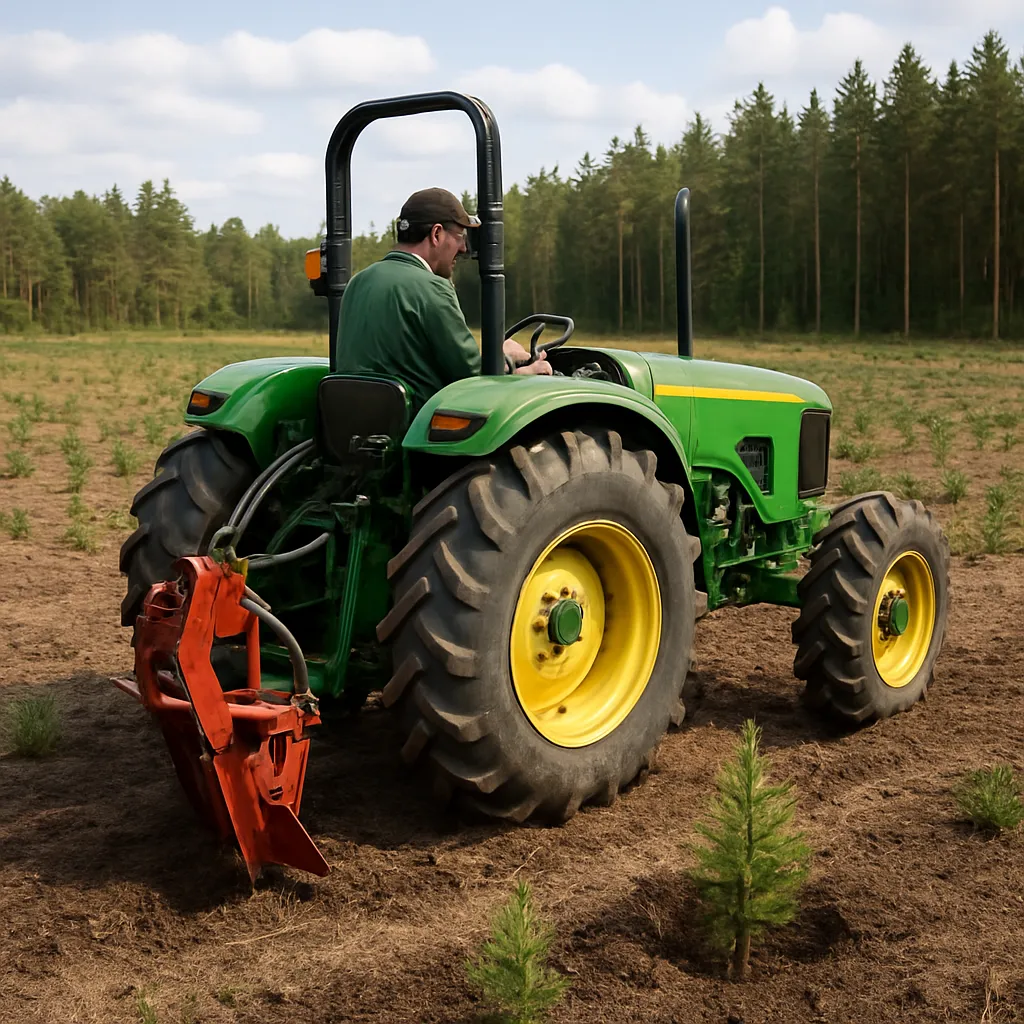
Tractor tires are under immense stress during extended field operations, hauling heavy loads, and traversing uneven terrain. Preventing tire blowouts is not only a matter of safety but also a crucial factor in optimizing productivity and minimizing downtime. By adopting a comprehensive approach that addresses every aspect from proper inflation to operator habits, farmers and equipment managers can significantly reduce the likelihood of catastrophic tire failures.
Understanding the Causes of Tire Blowouts
Before implementing any preventive strategy, it is essential to recognize the primary factors that contribute to tire failures in agricultural and construction tractors. Overlooking these can turn routine operations into hazardous situations.
Key Contributing Factors
- Pressure fluctuations: Both underinflation and overinflation can compromise tire integrity, leading to sidewall damage or crown separation.
- Excessive load capacity: Exceeding the manufacturer’s recommended load rating forces the tire to bear more weight than it was designed for, increasing stress.
- High rates of heat buildup: Continuous operation on asphalt or compacted surfaces can generate heat, which deteriorates internal rubber compounds.
- Sharp objects and debris: Rocks, broken metal, and roots can pierce the tire carcass, creating weak spots that can rapidly propagate under heavy use.
- Poor tire matching: Mixing different tire sizes, brands, or tread patterns can cause uneven wear and misaligned load distribution.
Regular Pressure Management
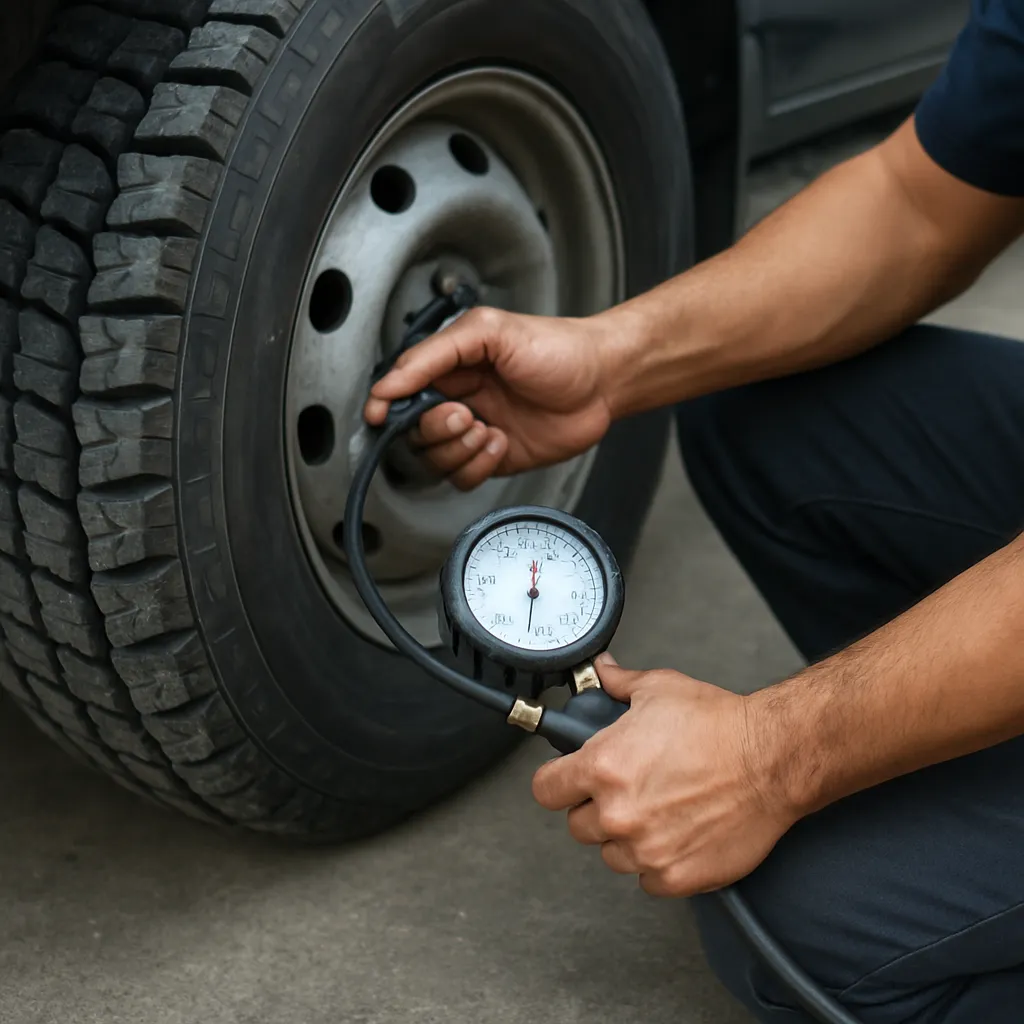
Maintaining the correct inflation pressure is arguably the most effective way to prevent premature tire failures. Variations even as small as 5 psi can have significant impacts on performance and lifetime.
Daily Pressure Checks
Incorporate a quick gauge test into the start-of-day routine. A handheld pressure gauge delivers accurate readings that help detect slow leaks or sudden drops. Record readings in a log to spot recurring patterns.
Automatic Inflation Systems
For large operations, installing a central inflation monitoring system can automate checks and adjustments. These systems maintain optimal pressure levels while the tractor is in motion, reducing human error and downtime.
Proper Load Handling Techniques
Exceeding weight limits is a leading cause of structural tire damage. Adhering to load guidelines not only protects tires but also preserves axle and chassis components.
Calculating Payload
Always reference the tractor’s data plate for maximum load ratings per axle. Use scale systems or weighbridges to measure hauled loads—this ensures you stay within safe parameters.
Even Load Distribution
Balance trailers and implements so the payload rests evenly on all tires. Uneven stress can cause one tire to bear a disproportionate share, accelerating wear and raising blowout risk.
Tire Selection and Upgrades
Choosing the right tire design and upgrading to reinforced options can greatly enhance durability under heavy use conditions.
Factors in Tire Choice
- Tread pattern: Select deep-lug designs for soft soil and mulch to maintain stability and self-cleaning abilities.
- Construction type: Bias-ply tires offer sidewall flexibility, while radial tires provide better footprint distribution and heat dissipation.
- Reinforced sidewalls: Opt for steel-belted or heavy-duty casings when operating on rocky or debris-laden surfaces.
Consider seasonal or soil-specific tires; replacing standard tires with specialized models can dramatically reduce the likelihood of punctures and blowouts.
Routine Inspection and Maintenance
Scheduled inspection and care routines detect issues before they escalate into major breakdowns. A disciplined maintenance regimen enhances both safety and longevity.
Visual Inspections
Walk around the machine every morning, looking for cuts, bulges, or embedded objects in the tread or sidewalls. Use a flashlight to examine hidden areas around the bead and valve stem.
Cleaning and Debris Removal
Remove stones and mud packed between lugs after each field pass. Trapped debris can tear through rubber layers when compressed, leading to gradual weakening.
Rotation and Alignment
Rotate tires based on manufacturer guidelines to ensure even tread depth wear. Verify wheel alignment periodically; misaligned axles cause irregular wear patterns and increase blowout chances.
Operator Training and Driving Habits
Technicians and drivers play a vital role in preserving tire health. Well-trained operators can drastically reduce instances of mechanical abuse.
Safe Speed Practices
Excessive speeds, particularly on hard surfaces, raise tire surface temperatures and promote heat-related failures. Encourage moderate speeds tailored to field conditions and implement loads.
Avoiding Abrupt Maneuvers
Sharp turns under load can flex the tire excessively, causing internal cord separation. Teach operators to use gradual steering inputs and to brake gently when possible.
Documenting Anomalies
Have drivers record any unusual vibrations, thumping sounds, or handling quirks. Early reporting allows maintenance crews to inspect and address potential hazards before they result in a blowout.
Advanced Preventive Measures
Beyond routine upkeep, consider implementing technology-driven solutions and strategic policies to further safeguard your fleet’s tires.
Emerging Solutions
- Tire pressure monitoring systems (TPMS): Real-time feedback alerts drivers and managers to dangerous pressure deviations before catastrophic failure.
- Telematics integration: Data analytics can identify patterns of tire stress related to specific operators, routes, or implements, enabling targeted preventive measures.
- Airless tire alternatives: Non-pneumatic designs eliminate puncture risks entirely, though initial investment and compatibility must be evaluated.
By combining technological advancements with disciplined procedures, agricultural operations can achieve superior uptime and safety standards.
Investing in Long-Term Resilience
Preventing tire blowouts during heavy use is a multifaceted challenge that demands attention to equipment specifications, rigorous upkeep, and skilled operation. Adherence to best practices not only safeguards personnel and machinery but also contributes to more efficient, cost-effective farming or construction cycles. Through conscientious management of maintenance routines, judicious tire selection, and continuous operator development, you can build a robust defense against one of the most common threats to productivity in the field.