Poor steering in agricultural machinery can compromise both safety and efficiency. Addressing this issue promptly requires a systematic approach that covers diagnosis, repair, and routine care. This article outlines practical steps to restore precise control of your tractor’s front end and maintain reliable performance under demanding field conditions.
Understanding poor tractor steering
Before attempting any adjustments, it is crucial to recognize common symptoms of steering problems. You may notice a wandering front axle, excessive play in the steering wheel, or uneven tire wear. Factors contributing to these issues include worn components, incorrect alignment, and contaminated hydraulic fluid. A clear grasp of the underlying causes will guide you toward effective solutions.
Key components of the steering system
- Steering wheel and column
- Hydraulic pump and fluid reservoir
- Control valves and hoses
- Tie rods and drag links
- Kingpins and bearings
- Front axle assembly
Common steering malfunctions
Typical failures include leaks in hydraulic lines, collapsed hoses, or collapsed seals. Mechanical wear may manifest as loose tie rods, worn pivot points, or damaged rack-and-pinion gears. Identifying the precise defect is the cornerstone of an efficient repair process.
Diagnostic procedures for steering issues
An accurate diagnosis prevents wasted effort. Follow these steps to pinpoint the problem:
1. Visual inspection
Examine hydraulic lines for cracks or oil seepage. Check for bent or damaged linkages along the front axle. Inspect the steering wheel for excessive play by moving it back and forth and noting any dead spots.
2. Hydraulic system test
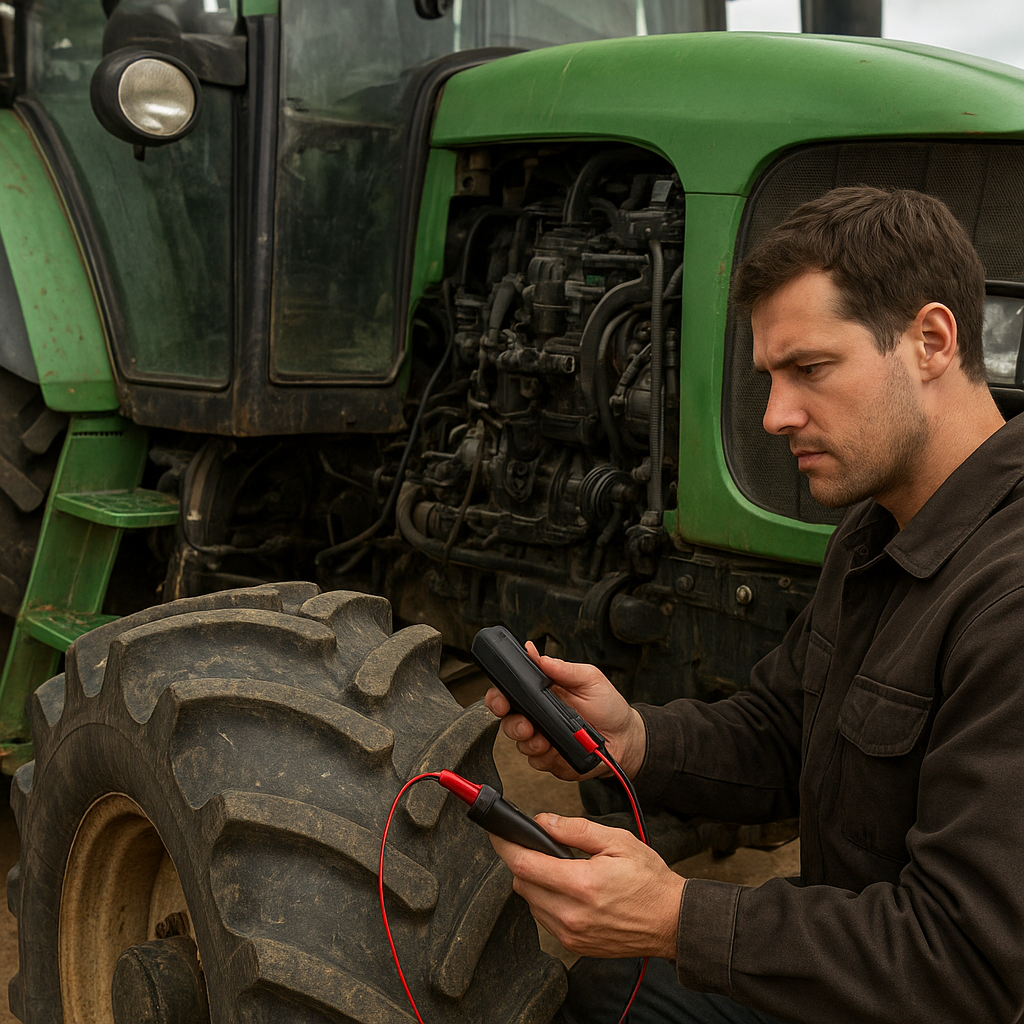
With the engine running, observe pressure readings using a gauge at the pump outlet. Low readings often signal a failing pump or clogged filter. Also, listen for whining sounds that indicate air ingress or worn vanes within the pump.
3. Mechanical check
Jack up the front of the tractor and secure it on stands. Rotate the wheels by hand while monitoring the tie rods and kingpin pivot points for play. Excessive lateral movement at these joints requires immediate attention.
4. Alignment assessment
Using a straight edge or string line, verify toe-in and camber angles. Incorrect alignment generates uneven tire wear and hampers control. Adjustments here can often correct wandering without heavy repairs.
Repair techniques and maintenance tips
Once you’ve identified the faulty component, follow these detailed procedures to restore optimal performance.
Replacing worn hydraulic hoses
- Relieve system pressure by shutting off the engine and operating the steering several times.
- Remove old hoses and clean fittings to prevent contamination.
- Install new hoses rated for the correct pressure and secure them with proper clamps.
- Bleed the system to expel trapped air and verify leak-free operation.
Servicing the hydraulic pump
Disassemble the pump housing and inspect internal gears or vanes for wear. Replace any damaged parts and reassemble using factory torque specifications on fasteners. Always install a new seal kit to avoid future leaks.
Adjusting tie rods and drag links
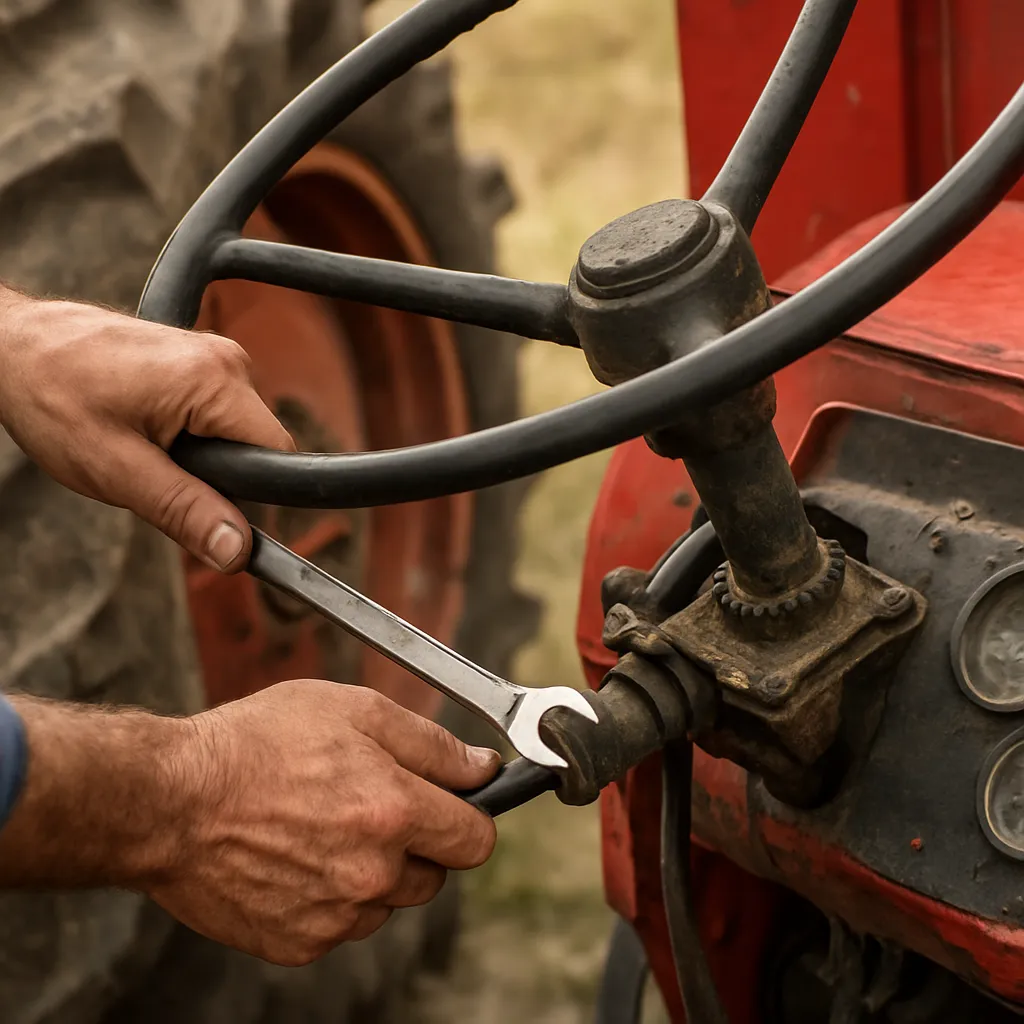
Loosen locking nuts and rotate the tie rod sleeves to achieve correct toe-in. Use a tape measure to ensure both front wheels are aligned to manufacturer tolerances. Once set, tighten locking nuts to secure the linkage.
Replacing kingpin bearings
- Remove the front wheel and spindle assembly.
- Drive out the old kingpin and bearing races with a press or suitable drift.
- Clean the bore and install new bearings using a bearing driver.
- Apply high-quality grease and reassemble the spindle, ensuring proper endplay.
Checking and correcting wheel alignment
After mechanical repairs, re-evaluate toe-in and camber. Small misalignments can cause significant handling issues. Make gradual adjustments and document each change until the tractor tracks straight under load.
Preventive measures and best practices
Regular care extends the lifespan of vital steering parts and promotes consistent performance in the field.
Routine lubrication schedule
Grease all pivot points, bearings, and joints at weekly intervals during heavy work seasons. Use the tractor-maker’s recommended lubricant grade for maximum protection against wear and corrosion.
Hydraulic fluid management
Perform oil changes based on operating hours and inspect filters monthly. Clean reservoirs to remove sediment and replace filters with compatibles that match the fluid type. Consistent fluid quality guards against cavitation and pump damage.
Periodic alignment checks
Inspect wheel alignment quarterly or after any front-end collision. Early detection of toe-in or camber drift prevents irregular tire wear and reduces operator fatigue from constant steering corrections.
Operator training and awareness
Educate drivers on recognizing early signs of steering trouble, such as unexpected vibrations or changes in effort. Prompt reporting enables maintenance crews to intervene before minor faults escalate into costly repairs.