Managing a fleet of tractors effectively can transform farm operations, boost efficiency, and improve overall productivity. This article explores practical strategies for handling multiple tractors on a single farm, covering everything from scheduling maintenance to leveraging modern technology for optimization. Farmers will discover how to streamline workflows, ensure safety, and maximize returns on their agricultural investments.
Effective Fleet Organization and Scheduling
Organizing a fleet of tractors starts with clear planning and structured scheduling. Without a solid system, tasks can overlap, machines may sit idle, and downtime spikes—hurting profitability. Implement the following best practices to keep all units running smoothly.
Centralized Task Assignment
- Develop a master calendar that lists all field operations, including plowing, planting, fertilizing, and harvesting.
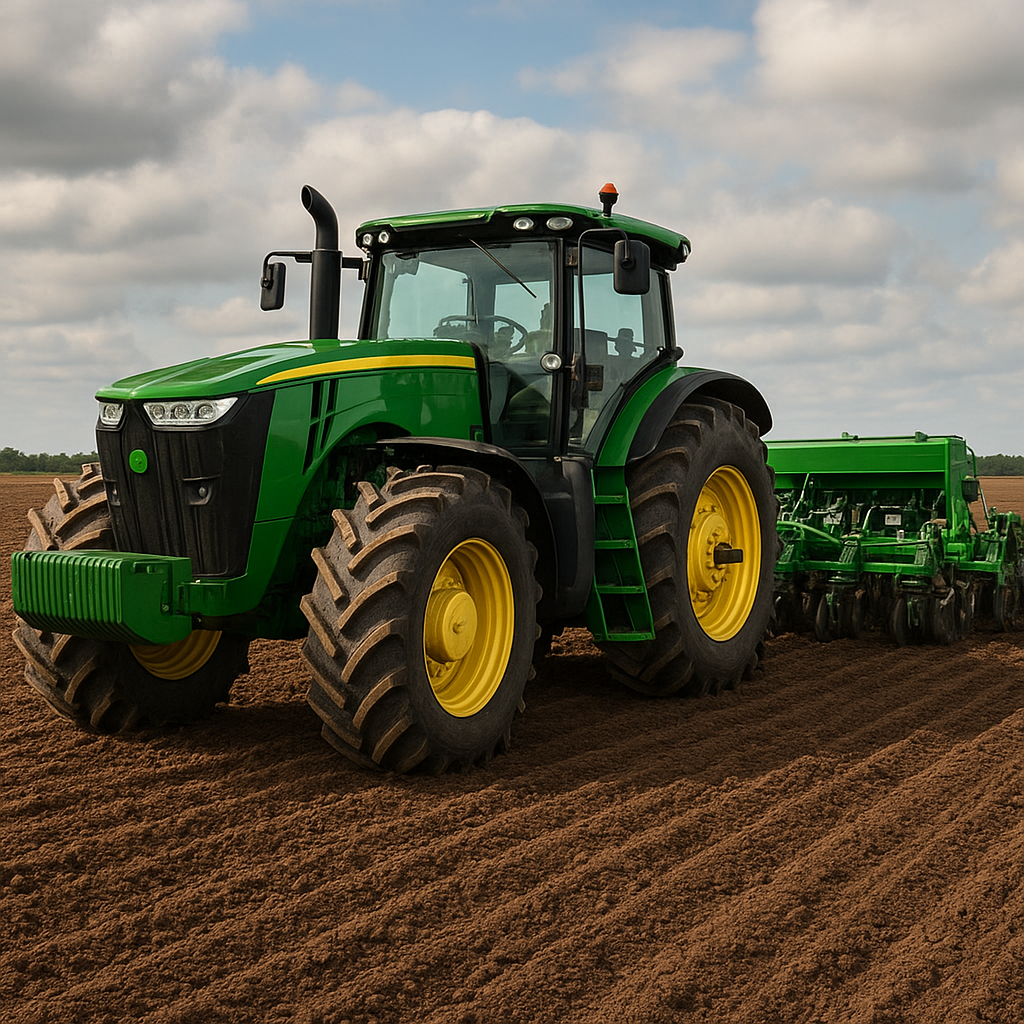
- Assign each tractor to specific tasks based on capacity, horsepower, and attachments.
- Use color-coded labels or digital tags to indicate machine readiness and upcoming jobs.
Maintenance Intervals and Downtime Planning
- Schedule routine inspections every 50–100 operating hours, depending on manufacturer guidelines.
- Block out maintenance windows in the calendar to prevent unexpected breakdowns during critical periods.
- Keep a log of repairs, oil changes, and filter replacements to track maintenance history over time.
Cross-Training Operators
- Train staff on multiple tractor models to avoid bottlenecks when a primary operator is unavailable.
- Create a skills matrix showing which workers are qualified for each type of machine or attachment.
- Conduct periodic refresher courses to maintain high competency and ensure safety compliance.
Leveraging Technology for Precision and Monitoring
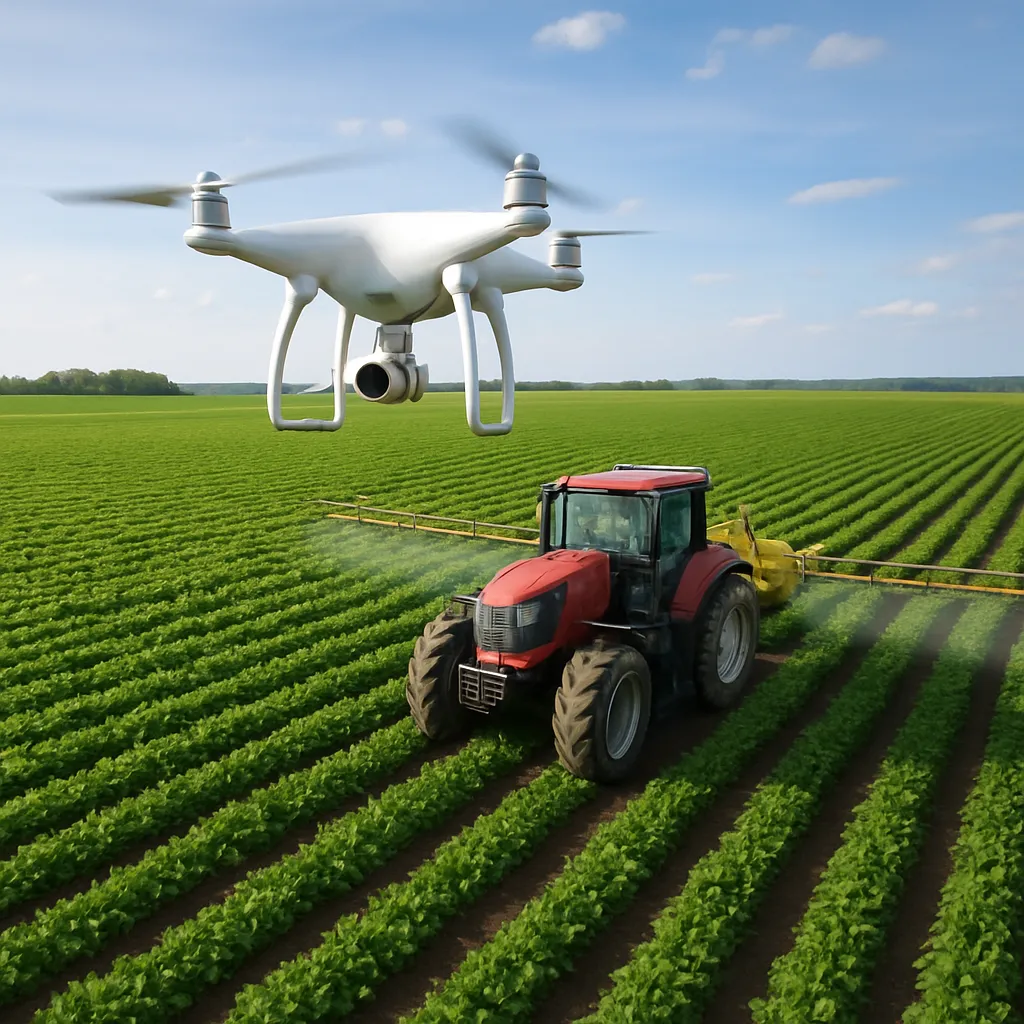
Modern technology offers powerful tools for managing tractor fleets, collecting data, and making informed decisions. Capitalizing on these innovations can lead to significant cost savings and yield increases.
GPS and Precision Agriculture Systems
- Install GPS receivers and auto-steer systems to reduce operator fatigue and increase field accuracy.
- Use variable-rate application controllers to distribute seed, fertilizer, and chemicals precisely where they’re needed.
- Integrate prescription maps into the tractor’s onboard computer for optimized field coverage and reduced resource waste.
Telematics and Data Analytics
- Deploy telematics units that transmit real-time data on fuel consumption, engine hours, and operating conditions.
- Analyze trends to identify underperforming tractors or irregular usage patterns.
- Set up automated alerts for critical events such as low oil pressure, high engine temperature, or geofencing breaches.
Software Solutions for Fleet Management
- Choose farm management software that integrates machinery data with crop planning and inventory control.
- Maintain digital records of attachments, parts, and fluids to ensure quick access during repairs.
- Generate reports on optimization metrics, including cost per acre, fuel per hour, and labor efficiency.
Maintenance Practices and Spare Parts Management
Well-planned maintenance reduces unplanned downtime and extends the life span of each tractor. Keeping the right spare parts on hand is essential for quick repairs in the middle of busy seasons.
Preventive vs. Predictive Maintenance
- Preventive maintenance follows a fixed schedule based on hours or calendar intervals.
- Predictive maintenance uses sensor data to forecast when components are likely to fail.
- Combine both approaches: routine checks supplemented by data-driven insights for maximum reliability.
Inventory Control for Critical Components
- Identify common wear items such as belts, filters, hydraulic hoses, and brake pads.
- Maintain a minimum stock level for fast-moving parts and order bulk replacements during off-peak seasons.
- Use a barcode system to track inventory usage and avoid overstocking or stockouts.
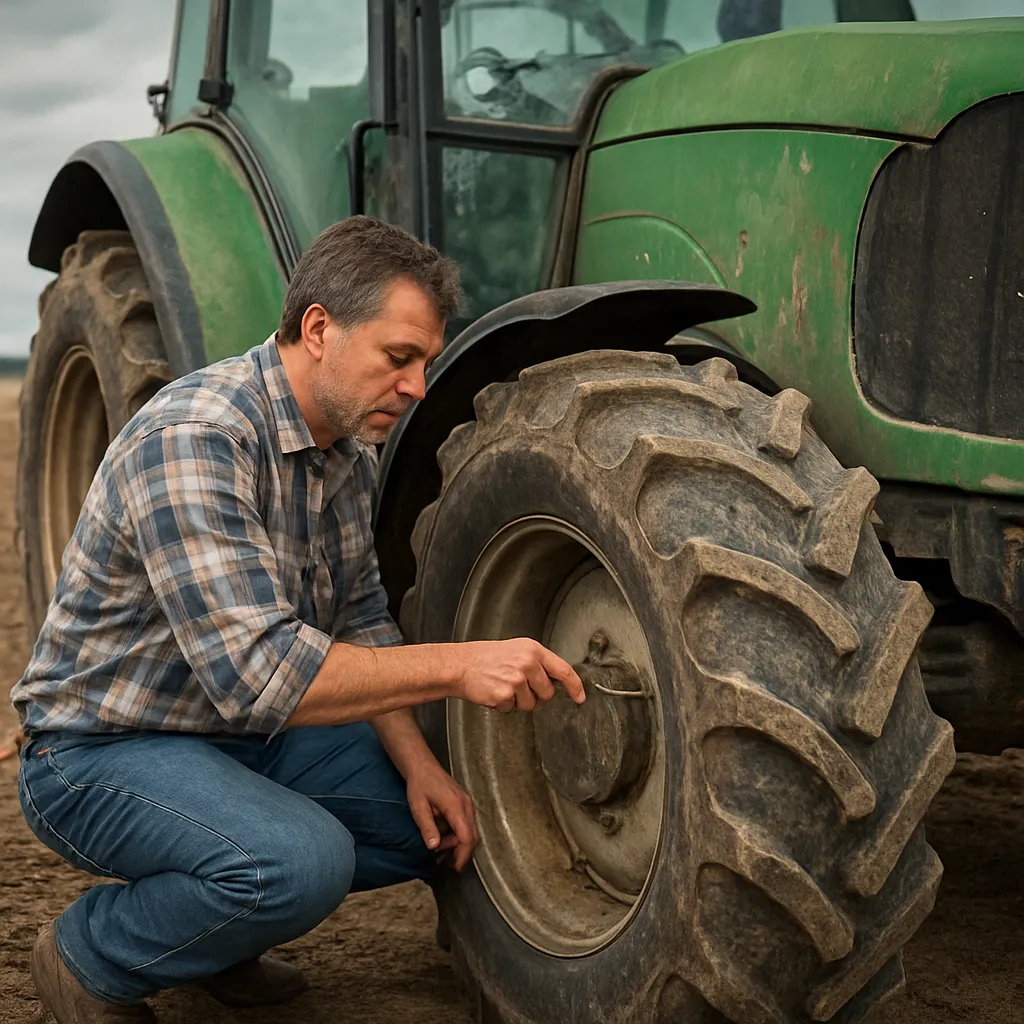
Engine and Hydraulics Care
- Perform regular oil and filter changes based on manufacturer recommendations and operating conditions.
- Monitor hydraulic fluid levels and watch for contamination or foaming, which can damage pumps and valves.
- Clean radiators and coolers periodically to prevent overheating in dusty or muddy environments.
Training Personnel and Ensuring Safety
Skilled operators not only boost tractor performance but also uphold sustainability and safety standards. Continuous training and strict protocols are crucial to preventing accidents and equipment misuse.
Operator Certification and Skill Development
- Implement a certification program for each tractor type, covering controls, attachments, and emergency procedures.
- Offer hands-on workshops on precision agriculture technologies and telematics dashboards.
- Encourage peer-to-peer mentoring to share best practices in field operations and monitoring techniques.
Safety Audits and Compliance Checks
- Conduct periodic safety audits to verify that guards, alarms, and lighting are functional.
- Enforce the use of roll-over protection structures (ROPS) and seat belts at all times.
- Maintain records of safety drills, incident reports, and near-miss analyses to improve protocols.
Emergency Preparedness and Response
- Develop clear procedures for breakdowns, fires, and rollovers.
- Equip each tractor with a first-aid kit, fire extinguisher, and emergency toolkit.
- Train all staff on radio communication and mobile app alerts for swift assistance in remote fields.
Budgeting, Financing, and Cost Control
Investments in multiple tractors require careful financial planning to maximize return on investment. Strategic budgeting and cost analysis help identify the most valuable assets and determine optimal replacement cycles.
Cost-Benefit Analysis
- Compare the operating costs of older tractors against the acquisition and depreciation of new models.
- Factor in fuel economy, maintenance expenses, and potential downtime savings from updated features.
- Use telemetry data to quantify improvements in fuel usage and field performance.
Financing Options and Incentives
- Explore lease-to-own programs, low-interest loans, and manufacturer discounts for multiple-unit purchases.
- Investigate government grants or subsidies for precision agriculture equipment and sustainability initiatives.
- Negotiate service contracts that bundle routine maintenance and parts into a fixed monthly fee.
Depreciation and Asset Management
- Track depreciation schedules for accounting purposes and assess resale value when upgrading.
- Consider trade-in programs or auctions for retiring machines to recoup part of the capital outlay.
- Maintain detailed records of hours, workloads, and repair costs to inform future purchase decisions.
Maximizing Productivity Through Collaboration and Planning
Coordination among team members and proactive planning are essential when operating several tractors simultaneously. Streamlined communication and strategic field layouts can turn a collection of machines into a cohesive, high-performing fleet.
Team Coordination and Communication
- Establish a clear chain of command for task assignments, updates, and troubleshooting.
- Use group messaging apps or two-way radios to relay real-time updates on field conditions and progress.
- Hold daily or weekly briefings to adjust schedules based on weather forecasts and machinery status.
Field Zoning and Equipment Matching
- Divide large farms into zones based on soil type, slope, and irrigation needs.
- Select the most suitable tractor and attachment combination for each zone to minimize passes.
- Rotate equipment to distribute wear evenly across the fleet, extending service life.
Continuous Improvement and Feedback Loops
- Gather operator feedback on equipment performance and ease of use.
- Review key performance indicators—such as acres covered per hour—and adjust workflows accordingly.
- Implement incremental changes and monitor outcomes to foster a culture of ongoing optimization.