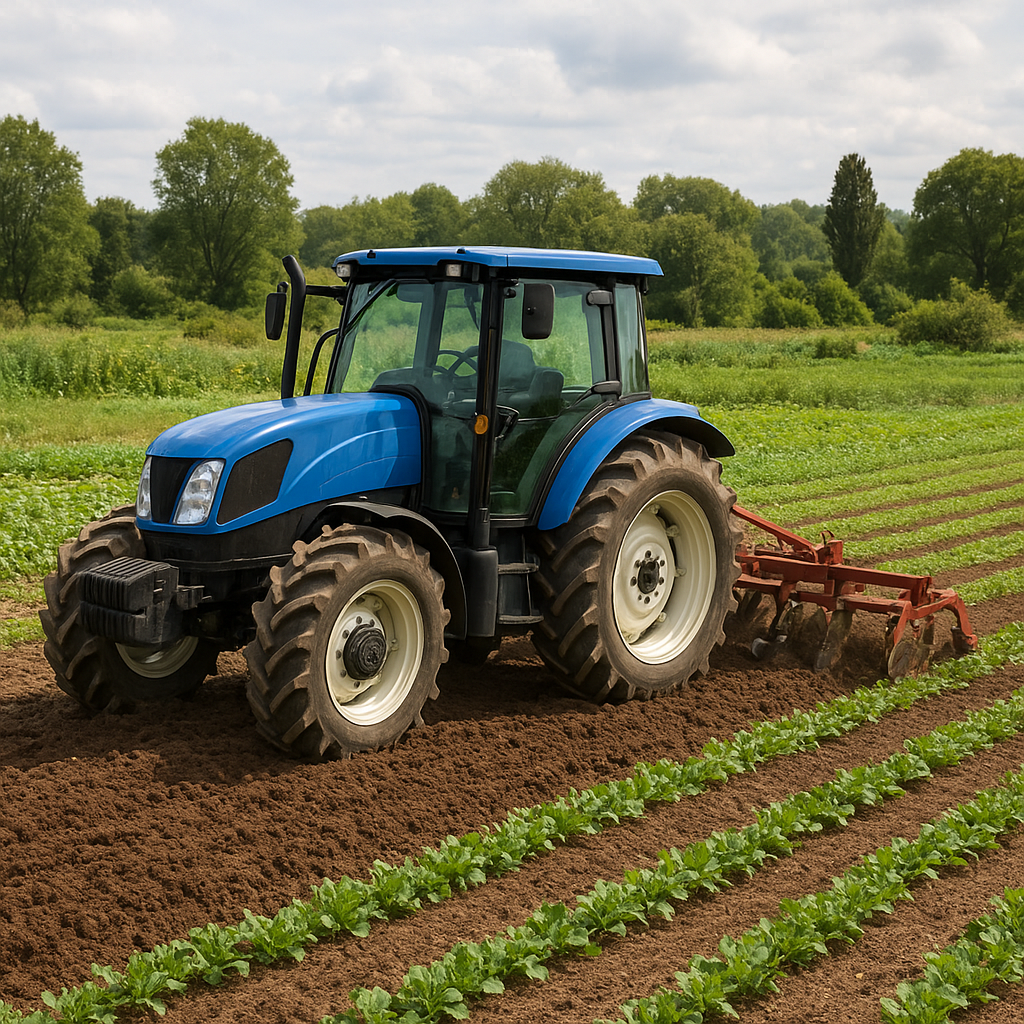
Operating tractors under **extreme weather conditions** demands careful planning, precise execution, and unwavering attention to detail. Farmers and operators often face challenges ranging from freezing temperatures to dust storms, each posing risks to equipment performance and personal welfare. This guide explores key strategies for maintaining productivity and ensuring safety when the elements test both man and machine.
Preparation and Safety Measures
Before venturing into harsh environments, a thorough preparation routine is essential. Proper checks and adjustments can significantly reduce downtime and protect valuable components from damage.
Pre-operation Checklist
- Inspect tire pressure and tread depth to maximize traction.
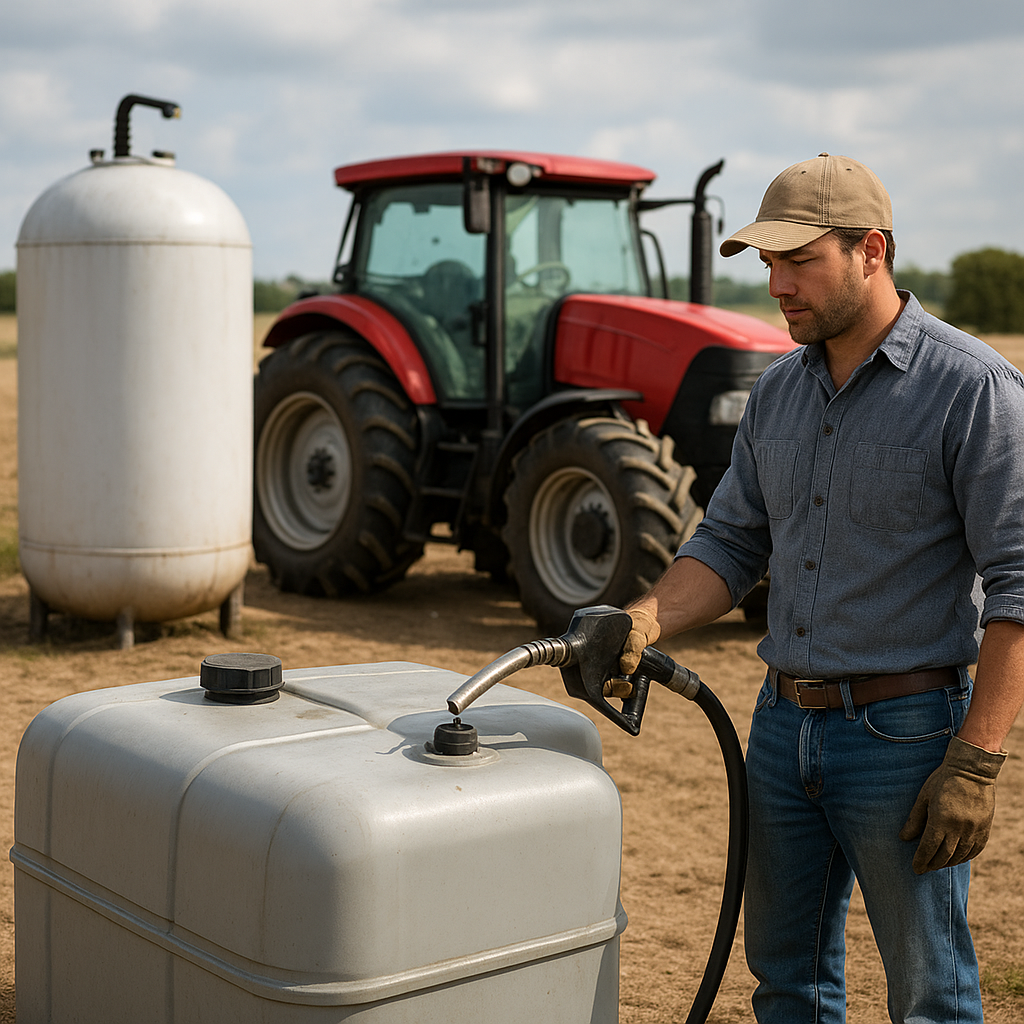
- Verify all fluid levels, including coolant, hydraulic oil, and engine oil.
- Examine hoses and belts for cracks or signs of wear.
- Clean air filters and ensure intake screens are clear of debris.
- Test lights, indicators, and warning alarms for proper function.
- Confirm that the cab heating or air conditioning system operates correctly.
Operator Preparedness
An experienced operator can anticipate potential hazards and react swiftly. Key considerations include:
- Wearing weather-appropriate attire: insulated gloves and boots for cold, breathable layers for heat.
- Maintaining clear communication with ground personnel through radios or hand signals.
- Monitoring weather forecasts and planning tasks during the safest window.
- Staying hydrated and taking breaks to prevent fatigue and heat stress.
Operating Techniques in Cold and Snowy Conditions
Low temperatures challenge both the mechanical and electronic systems of modern tractors. Adapting your operation can prevent costly breakdowns and ensure consistent performance.
Cold Starts and Warm-Up Procedures
Cold mornings can make starting difficult. Implement these steps:
- Use block heaters or battery warmers to raise the temperature of the engine before ignition.
- Engage glow plugs or intake air heaters if equipped, allowing 2–5 minutes for preheating.
- Avoid revving the engine excessively; operate at low RPM until oil pressure stabilizes.
Maximizing Traction on Ice and Snow
Slippery surfaces increase the risk of skidding. Improve stability by:
- Installing dual wheels or chains to distribute weight more evenly.
- Reducing tire pressure by 5–10 psi to enlarge the contact patch.
- Operating in a low gear to maintain steady, controlled movements.
- Avoiding sudden acceleration or braking that could lead to loss of control.
Protecting Hydraulic Systems
Cold weather thickens hydraulic fluid, reducing system responsiveness. Measures include:
- Selecting winter-grade hydraulic oils with lower viscosity ratings.
- Allowing extra warm-up time before performing heavy lifts or quick attachments.
- Monitoring pressure gauges closely to detect blockages or cavitation.
- Installing inline heaters for hydraulic reservoirs when available.
Managing Heat, Drought, and Dust
High temperatures and arid conditions can strain cooling systems and decrease visibility. Proper management ensures continuous operation without overheating or mechanical failure.
Cooling System Maintenance
A clean, efficient cooling system is vital under scorching sun:
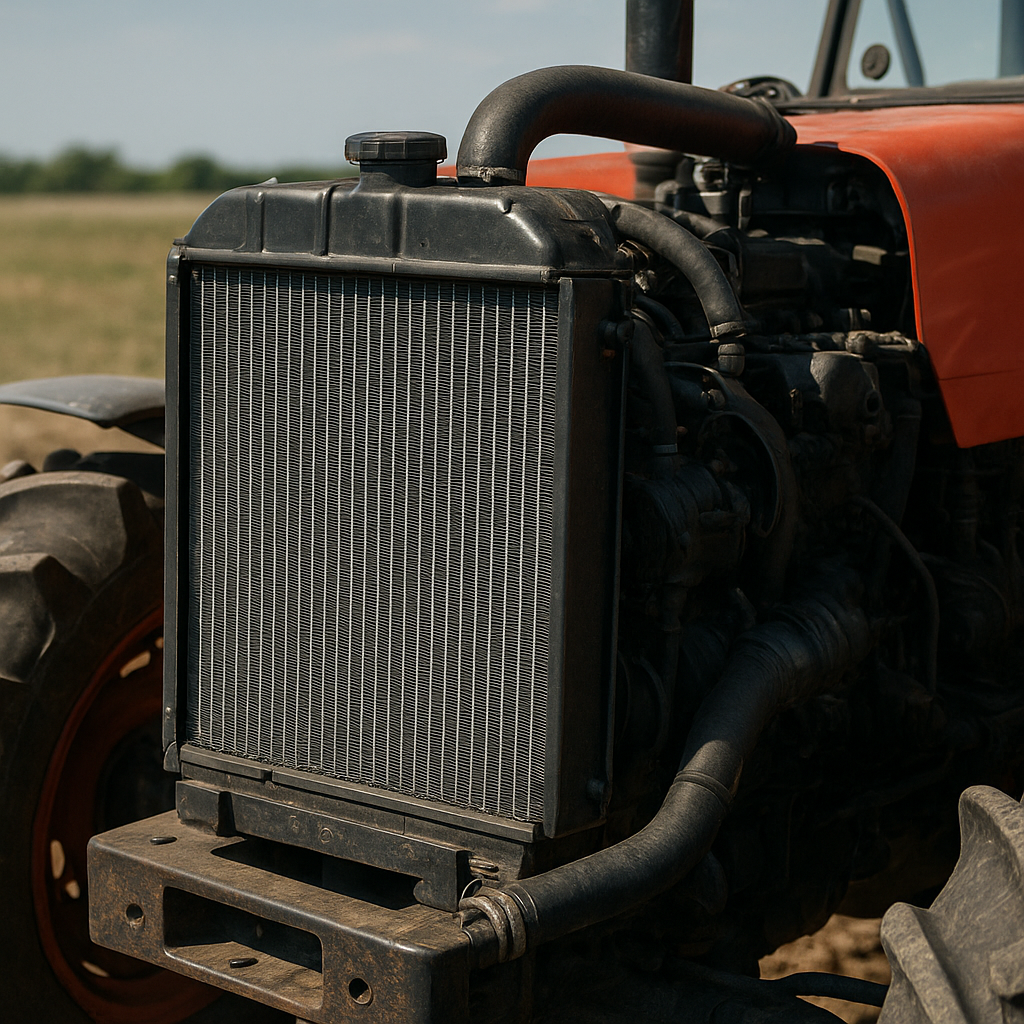
- Regularly flush radiators and replace coolant per manufacturer recommendations.
- Inspect fan belts and tensioners for wear to prevent slippage.
- Clear debris from radiator fins and charge air coolers multiple times per shift.
- Consider adding a high-capacity electric fan for extra airflow.
Air Filtration and Dust Control
Dust accumulation impairs engine breathing and clogs filters:
- Install pre-cleaners or cyclonic separators to extend filter life.
- Maintain spare air filters on hand and replace them at the first sign of restriction.
- Use sealed cabs with positive pressure to reduce cockpit dust infiltration.
- Wash external screens daily during peak dusty conditions.
Protecting Vital Components
Exposed parts can overheat quickly when ambient temperatures soar:
- Ensure PTO shields are intact to prevent debris ingestion.
- Grease all fittings frequently to maintain proper lubrication under dry heat.
- Monitor transmission oil temperature and shift loads to avoid excessive stress.
Maintenance and Post-Operation Checks
After completing tasks in extreme climates, a systematic post-operation routine prolongs equipment life and readies the tractor for the next challenge.
Cleaning and Inspection
- Remove mud, salt, or corrosive residues from the undercarriage and chassis.
- Inspect wiring harnesses for abrasion caused by ice or rough terrain.
- Check hydraulic lines and cylinders for leaks induced by extreme temperature fluctuations.
- Verify that seals and gaskets remain pliable and free of cracks.
Fluid and Filter Replacement
- Drain contaminated fluids and top up with fresh coolant or oil suitable for the season.
- Change hydraulic, fuel, and air filters to restore peak performance.
- Document fluid levels and component hours to schedule preventive maintenance.
Battery Care
- Test battery charge and replace units that fail to hold adequate voltage.
- Clean terminals and apply dielectric grease to inhibit corrosion.
- Store batteries indoors or on heated plates if subzero temperatures persist.