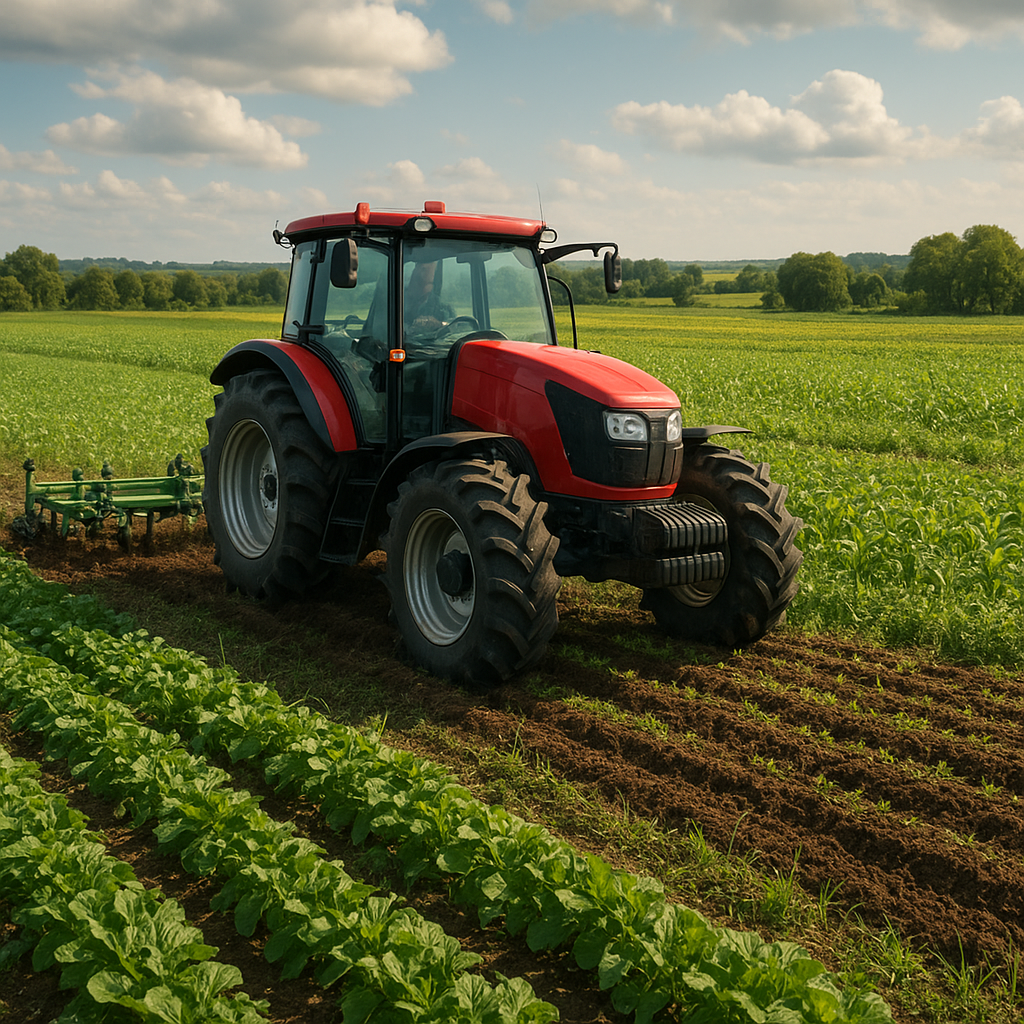
Proper upkeep of a tractor’s engine is essential for farmers and equipment operators seeking to maximize machinery performance and longevity. By following a structured maintenance regimen, you can prevent costly breakdowns, ensure reliable power output, and maintain high fuel efficiency. This guide covers crucial steps and best practices for extending the life of your tractor engine through careful attention to key systems.
Routine Inspection and Fluid Management
Regular inspection of engine components and vigilant fluid monitoring are the cornerstones of effective tractor care. Neglecting these tasks often leads to accelerated wear and unexpected failures.
Daily and Weekly Checks
- Engine oil level: Check with the dipstick before every shift and top up using manufacturer-recommended grades.
- Coolant reservoir: Inspect fluid level and concentration; maintain correct mixture to prevent freezing or overheating.
- Hydraulic fluid: Ensure reservoir levels meet OEM specifications to avoid pump cavitation and seal damage.
- Leaks and drips: Scan beneath the tractor for oil, coolant, or fuel leaks; address sources promptly.
Monthly Fluid Analysis
- Oil sampling: Send samples to a lab for wear particle and contamination analysis to detect early engine diagnostics issues.
- Coolant testing: Use test strips to verify inhibitor levels and pH balance, ensuring proper corrosion protection.
- Fuel quality: Check for water or microbial growth in diesel storage tanks; drain water separators as per schedule.
Proper Lubrication and Oil Change Strategies
Engine oil is the lifeblood of internal components, providing both lubrication and heat transfer. Ensuring timely oil changes and selecting the right lubricant grade are critical for reducing friction and preventing sludge buildup.
Selecting the Right Oil
- Viscosity grade: Follow manufacturer guidelines; adapt to ambient temperatures for optimal flow and protection.
- Synthetic vs. mineral: Choose synthetic oils for enhanced thermal stability and extended change intervals under heavy-duty conditions.
- Additives: Verify if the oil contains detergents and anti-wear additives that support high-pressure engine parts.
Change Intervals and Procedures
- Regular intervals: Replace engine oil and filter every 200–300 hours under normal operation; shorten intervals for severe service.
- Drain technique: Warm the engine briefly to improve flow, then fully drain oil before refilling to avoid diluting fresh lubricant.
- Filter installation: Always use OEM or high-quality aftermarket filters to maintain proper filtration standards.
Efficient Filter Maintenance and Replacement
Filters protect critical systems by removing contaminants that cause premature wear. Failing to replace filters at the correct intervals undermines engine reliability and reduces overall output.
Oil and Fuel Filters
- Oil filter: Swap at every oil change to block abrasive particles and preserve bearing surfaces.
- Fuel filter: Replace primary and secondary filters per schedule to avoid injector damage and maintain combustion efficiency.
- Water separators: Empty bowl assemblies and replace filter cores to prevent water ingestion in the fuel system.
Air Intake Filters
- Pre-cleaners: Inspect and re-oil washable foam elements regularly in dusty environments.
- Main filter: Replace pleated paper filters when dust load approaches maximum, as indicated by differential pressure gauges.
- Seals and gaskets: Check for damaged rubber or foam seals around filter housings to prevent unfiltered air entry.
Cooling System Care for Optimal Temperatures
Maintaining the engine’s cooling system ensures consistent operating temperatures, prevents overheating, and extends component service life. Neglect in this area leads to cylinder head gasket failures and block warping.
Radiator and Cap Inspection
- Radiator fins: Clean off debris and dirt with low-pressure water to facilitate airflow.
- Pressure cap: Test or replace to ensure correct sealing pressure and avoid coolant loss.
- Hose integrity: Examine for cracks, bulges, or soft spots; replace aged hoses promptly.
Coolant Maintenance
- Flush intervals: Perform a complete system flush every two years or 1,000 hours, whichever comes first.
- Chemical inhibitors: Use corrosion inhibitors compatible with aluminum and cast-iron engine parts.
- Leak checks: Apply UV dye or pressure test kits to identify hidden leaks in blocks, heads, or water pumps.
Timing and Belt Assessments
Belt-driven and chain-driven timing components synchronize valve operation with piston movement. A failure here can result in severe engine damage.
- Timing belt/chain: Inspect tension and wear every 500 hours; replace belts at recommended intervals to avoid catastrophic failures.
- Pulleys and tensioners: Check bearings for noise or play and replace any worn units.
- Accessory belts: Monitor drive belts for cracks, glazing, or fraying and adjust tension as needed.
Fuel System Upkeep for Consistent Combustion
High-quality fuel delivery is crucial for engine performance and emissions compliance. Regular attention to fuel system components prevents clogged injectors and uneven running.
- Injection nozzles: Periodically test spray pattern and flow rate; clean or replace if atomization degrades.
- Tank cleanliness: Schedule tank bottoms to be cleaned to remove sediment and microbial sludge.
- Fuel lines: Inspect for brittleness or leaks and secure all clamps to maintain proper fuel pressure.
Storage and Seasonal Maintenance
Proper storage practices protect engine internals during long idle periods and preserve overall equipment value. Seasonal checks facilitate a trouble-free startup when the next work cycle begins.
Short-Term Storage (Up to 30 Days)
- Fill fuel tank: Prevent condensation and microbial growth by keeping tanks nearly full.
- Run engine: Circulate stabilized fuel mixture and oil for 10–15 minutes before shutdown.
- Battery care: Disconnect or use a maintainer to avoid discharge and sulfation.
Long-Term Storage (Over 30 Days)
- Drain cooling system or add antifreeze to prevent corrosion and freezing.
- Fogging oil: Spray through the air intake to coat cylinder walls with a protective film.
- Cover and elevate: Store in a dry, ventilated area with tires off the ground to reduce flat spots.