Managing fuel expenses on expansive agricultural operations requires a comprehensive approach that combines technology, careful planning, and operator expertise. This article delves into proven methods for reducing fuel consumption, boosting efficiency, and maintaining peak performance of tractor fleets. By leveraging modern tools and best practices, farm managers can achieve significant cost savings and enhance overall productivity.
Strategic Planning for Fuel Optimization
Devising a robust strategy is the foundation of effective fuel management. Start by mapping out field tasks, aligning planting, tillage, and harvesting schedules to minimize idle time and redundant runs. Employing precise field boundaries and GPS-guided routes helps farmers reduce unnecessary overlap and avoid wasted passes.
- Use field mapping software to calculate the most efficient path for each operation.
- Plan tasks sequentially by proximity to reduce travel time between fields.
- Group similar activities to minimize fuel consumption associated with equipment changes.
Incorporating crop rotation cycles into the plan enhances soil health and reduces the need for extra tillage, further cutting down on fuel usage.
Enhancing Tractor Performance
Maintaining tractors at their best operational condition is essential for achieving optimal efficiency. A neglected engine can consume 10–15% more diesel, eroding profitability across large-acreage farms.
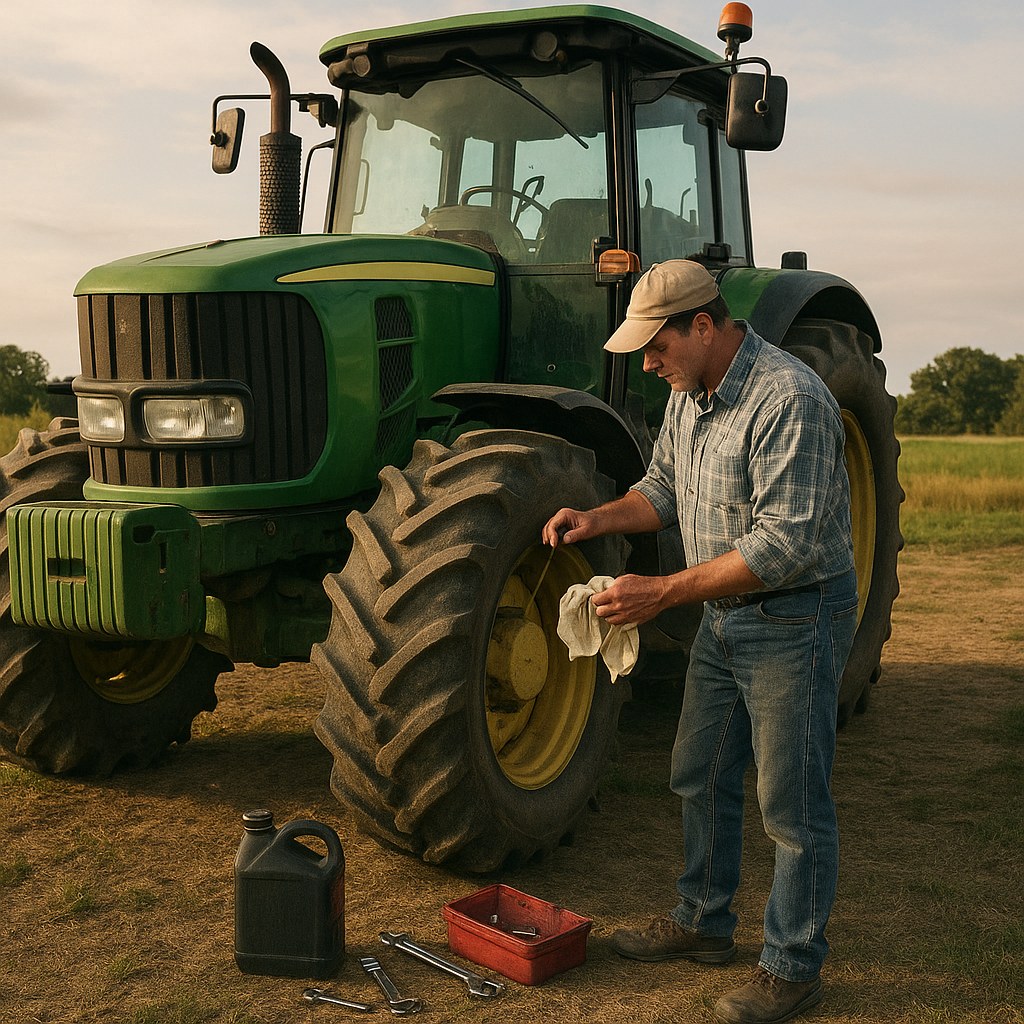
Regular Engine Maintenance
- Perform oil and filter changes according to manufacturer guidelines.
- Check and replace air filters to ensure proper combustion.
- Inspect coolant levels and thermostat function to avoid overheating.
Keeping the engine in peak condition reduces unburned fuel emissions and ensures consistent power delivery.
Tire Pressure and Alignment
- Maintain recommended tire inflation to lower rolling resistance.
- Adjust wheel alignment to prevent drifting and excessive slippering.
- Use tire pressure monitoring systems to alert operators of deviations.
Properly inflated tires can cut fuel consumption by up to 8%, especially in heavy-duty field operations.
Hydraulic and Transmission Efficiency
- Check hydraulic fluid levels and replace contaminants promptly.
- Service transmission gears and clutches to minimize slippage.
- Use recommended lubricants that match the tractor’s operating temperature range.
Efficient hydraulic systems ensure attachments respond smoothly, while a well-maintained transmission prevents energy loss during gear shifts.
Advanced Monitoring and Data Analytics
Implementing real-time monitoring systems transforms fuel management from a reactive to a proactive discipline. Modern telematics platforms gather data on fuel flow, engine load, and idling time, delivering actionable insights to farm managers.
- Install fuel flow meters on key machinery to measure consumption per hour or per acre.
- Use GPS-based idle detection to auto-shutdown engines after set thresholds.
- Leverage cloud dashboards to compare performance across tractors and operators.
Data-driven analysis enables identification of underperforming units, highlighting opportunities for targeted maintenance or operator retraining.
Alternative Fuel Solutions
Diversifying energy sources can protect farms from volatile diesel prices. Consider the following options:
- Biodiesel blends: Compatible with most modern diesel engines and can reduce carbon footprint.
- Hydrotreated vegetable oil (HVO): Offers clean combustion and lower particulate emissions.
- Compressed natural gas (CNG): Requires engine conversion but delivers lower cost per energy unit in regions with natural gas infrastructure.
- Electric tractors: Emerging technology with zero tailpipe emissions and reduced maintenance demands, ideal for orchard and vineyard applications.
Integrating these alternatives into the fleet can hedge against price spikes and contribute to long-term sustainability goals.
Operator Training and Best Practices
Human factors play a pivotal role in fuel consumption. Empowering drivers with the right skills can yield immediate savings.
- Train operators on optimum throttle settings and transmission usage to avoid revving in low-load conditions.
- Encourage consistent use of eco-modes if available on tractors.
- Implement driver scorecards based on fuel efficiency metrics to incentivize best practices.
- Conduct refresher workshops on smooth acceleration and braking techniques to minimize wasted fuel.
Regular feedback loops between managers and drivers foster a culture of continuous improvement and accountability.
Routine Maintenance Schedules
Proactive servicing avoids unplanned downtime and prevents small issues from escalating into major breakdowns that spike costs. Establish a maintenance calendar that includes:
- Daily visual inspections for leaks, worn hoses, and damaged belts.
- Weekly checks of fluid levels and air intake systems.
- Monthly or seasonal service intervals aligned with engine hours and load cycles.
- Annual comprehensive diagnostics covering emission control systems and onboard electronics.
Digital maintenance logs streamline record-keeping and trigger timely alerts for upcoming service tasks.
Leveraging Technology for Continuous Improvement
Adopting a cycle of measurement, analysis, and adjustment ensures ongoing optimization. Key steps include:
- Benchmark current fuel consumption per hectare to set performance targets.
- Analyze telematics reports monthly to identify trends and anomalies.
- Test new practices—such as variable rate application or draft control—and compare results.
- Scale successful pilots across the fleet to maximize savings.
By fostering a data-centric environment, farm managers can continually refine their approach, driving down fuel costs while preserving operational flexibility.