Selecting an appropriate trailer is a critical decision for anyone relying on a tractor to handle daily tasks. A well-matched trailer enhances hauling capacity, improves efficiency, and ensures safety during operations. This guide dives into the essential factors to consider, helping you make an informed choice that aligns with your performance goals and work environment.
Understanding Tractor and Trailer Compatibility
Tractor Power and Hitch Class
Every tractor has a rated drawbar pull and a specific hitch class designed to handle certain loads. Matching trailer requirements to your tractor’s specifications prevents equipment damage and extends service life. Always consult the manufacturer’s manual to confirm towing limits.
Trailer Tongue and Coupler Options
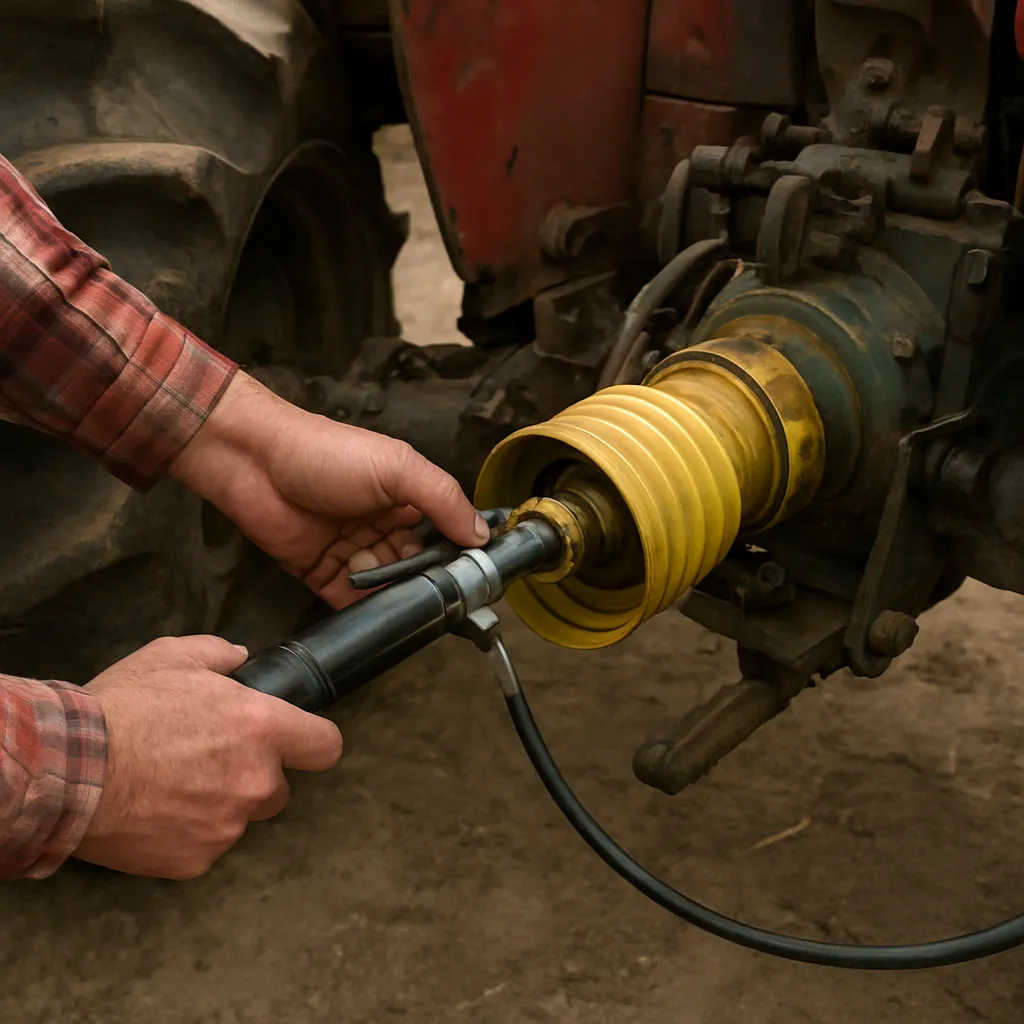
The interface between tractor and trailer—a combination of the tongue, coupler, and hitch pin—must be selected carefully. Standard couplers include pintle, ball, and gooseneck types. Each offers distinct advantages:
- Gooseneck: Delivers superior stability when transporting heavy loads over uneven ground.
- Pintle: Provides a high degree of articulation, ideal for rough field conditions.
- Ball: Simpler design for lighter-duty tasks, often found on small utility trailers.
Ensuring correct coupler height and alignment is essential to maintain balance and prevent unwanted sway.
Evaluating Load Capacity and Weight Distribution
Determining Payload Requirements
Your trailer should support the maximum expected load without approaching the tractor’s towing limit. Underestimating payload can lead to overloading, causing accelerated wear on tires, axles, and drivetrain components. Calculate the gross vehicle weight rating (GVWR) by summing the trailer’s empty weight and the intended cargo mass.
Achieving Proper Weight Distribution
Uneven load placement can shift the center of gravity, raising the risk of tipping. Aim for 10–15% of the trailer’s weight on the tongue to maintain optimal traction and steering control. When loading:
- Position heavier items near the front to keep the tongue weighted.
- Secure cargo with straps or chains to prevent shifting.
- Use bulkheads or sidewalls to contain loose materials.
Axle and Tire Considerations
Selecting the correct axle rating ensures the trailer can bear the load safely. Dual-axle designs offer enhanced stability and distribute weight more effectively, while single-axle trailers are lighter and more maneuverable for smaller tasks. Match tire load ratings to your payload and operate at recommended pressures to avoid overheating.
Selecting the Right Trailer Type for Your Needs
Trailers come in a variety of configurations tailored to specific applications. Understanding the unique features of each type will help you pinpoint the best match for your operation.
Flatbed Trailers
- Ideal for carrying bulky machinery or irregularly shaped items.
- Offers easy loading from all sides, reducing handling time.
- Requires additional securing measures (chains, ratchet straps).
Dump Trailers
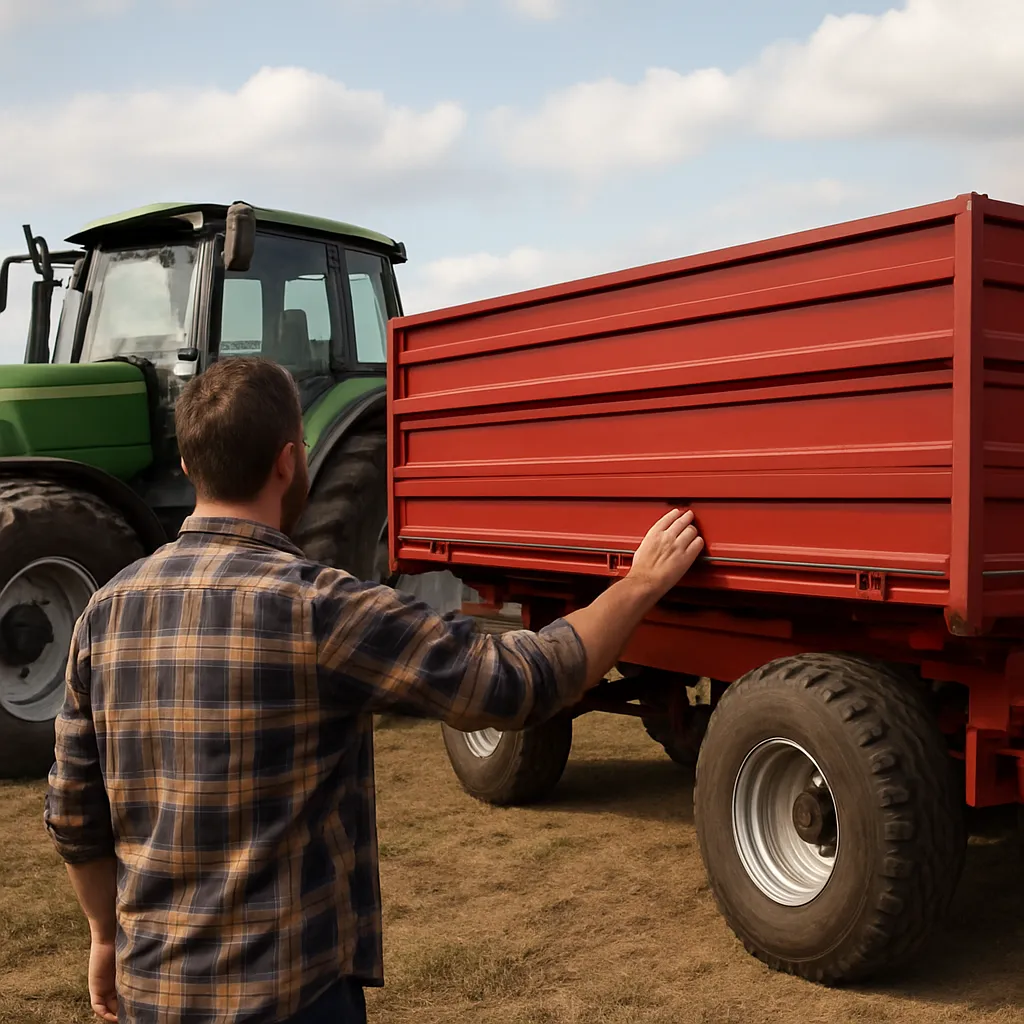
- Built with hydraulic or mechanical lift systems for efficient unloading.
- Commonly used for soil, gravel, and agricultural waste.
- Consider having protective liners for abrasive materials.
Livestock and Specialty Trailers
- Equipped with ventilation, non-slip flooring, and interior partitions.
- Designed to prioritize safety and animal comfort during transit.
Tilt and Equipment Trailers
- Feature hydraulic tilting decks to simplify loading of tractors and implements.
- Ensure the ramp angle matches your equipment’s ground clearance.
Assessing Terrain and Operational Conditions
Field vs. Road Use
Consider where the trailer will spend most of its life. For extended highway travel, look for trailers with robust suspension and higher-speed-rated tires. In contrast, field-only trailers benefit from reinforced frames and heavy-duty axles to withstand constant impact.
Environmental Factors
Moisture, mud, and corrosive fertilizers can accelerate rust and wear. Opt for trailers with galvanization or powder-coat finishes to enhance durability. Sealed bearings and corrosion-resistant hardware also extend service intervals.
Maneuverability Requirements
Narrow gate entrances, steep inclines, and tight turning radii demand trailers with adequate ground clearance and pivoting axles. Steering-axle systems reduce tire scrubbing and improve handling in confined spaces.
Maintenance Tips and Safety Precautions
Routine Inspection Checklist
- Check tire pressure and tread depth before each trip.
- Inspect hitch assembly for cracks, wear, or deformations.
- Lubricate moving parts, including hinges, latches, and bearings.
- Examine hydraulic hoses and cylinders for leaks or abrasions.
Operational Best Practices
- Always use safety chains as a backup to the primary coupler.
- Distribute cargo evenly and secure it against shifting.
- Avoid sharp turns at speed to reduce rollover risk.
- Allow for longer stopping distances when towing heavy loads.
Compliance and Regulations
Verify that your trailer meets local road safety standards, including lighting, reflectors, and braking systems. Proper registration and regular inspections keep you in compliance and protect against fines or liability claims.