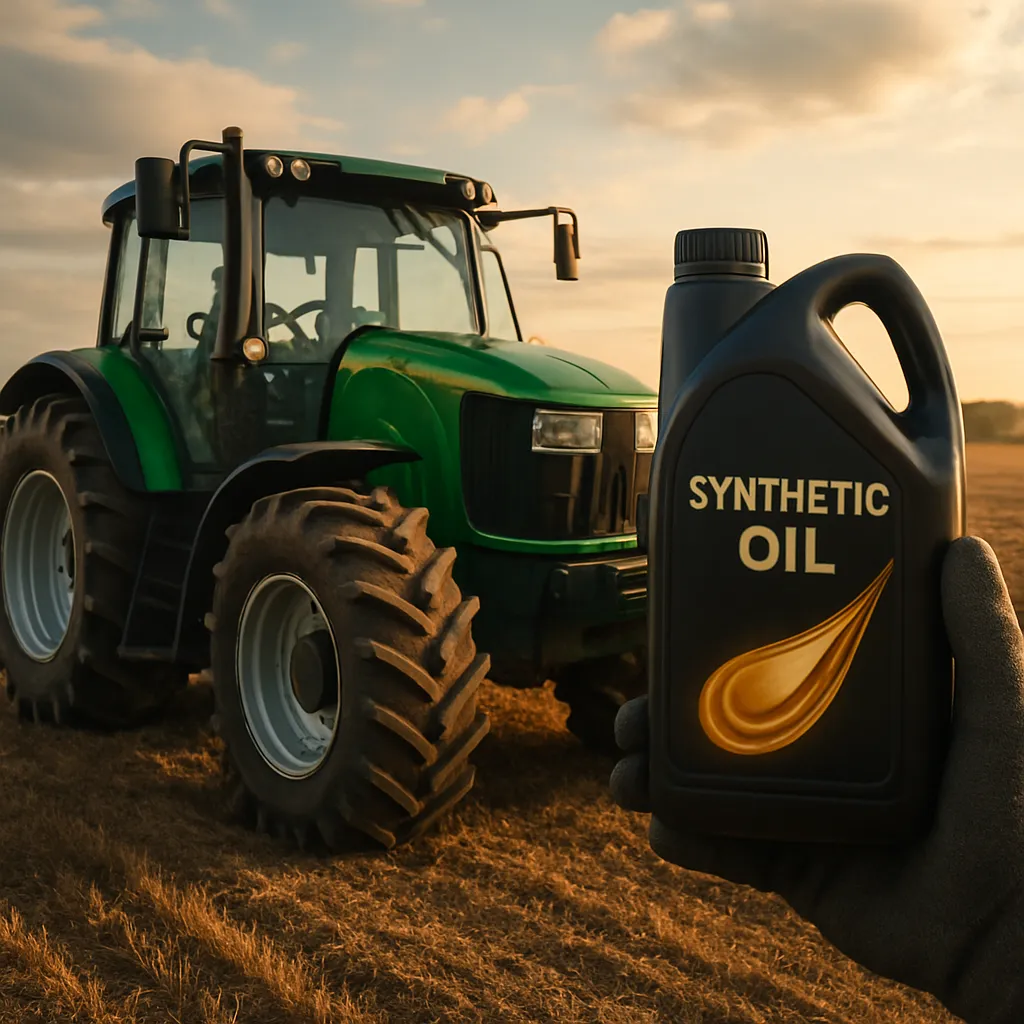
Exploring the advantages of synthetic oils in agricultural machinery reveals a transformative impact on tractor longevity and performance. Farmers and equipment managers increasingly turn to advanced lubrication solutions to meet the demands of modern fieldwork. Synthetic lubricants deliver exceptional protection under extreme temperatures, reduce mechanical wear, and extend service intervals. This article delves into the scientific foundation, practical benefits, and implementation strategies for incorporating synthetic oils into tractor maintenance routines.
Benefits of Synthetic Oils in Tractor Operations
Synthetic oils differ fundamentally from conventional mineral-based lubricants due to their engineered molecular structure. These formulations deliver a suite of advantages tailored to the rigorous conditions encountered during plowing, tilling, harvesting, and transport. Key benefits include:
- Durability: Enhanced molecular stability resists breakdown under thermal stress, prolonging oil life.
- Wear Resistance: Uniform film strength prevents metal-to-metal contact, reducing component abrasion.
- Oxidation Stability: Superior resistance to oxidation slows the formation of sludge and deposits.
- Cold Flow: Low pour points ensure uninterrupted lubrication during frigid startup conditions.
- Engine Protection: Consistent viscosity shields moving parts even when ambient temperatures fluctuate widely.
By switching to synthetic oils, operators often notice quieter engine operation and improved power delivery. The cleaner internal environment limits varnish buildup on valves and pistons, translating to more efficient combustion and lower fuel consumption. Over extended schedules, such performance gains contribute directly to higher yields and reduced operational costs.
Key Performance Characteristics Explained
Understanding the critical performance metrics of synthetic oils helps technicians select the optimal formulation for each tractor model. Manufacturers design synthetic lubricants to exceed industry standards set by organizations like the American Petroleum Institute (API) and the Original Equipment Manufacturer (OEM) specifications. The following characteristics are pivotal:
- Lubrication: Synthetic oils maintain a robust lubricating film across a broad temperature range, safeguarding bearings and gears.
- Energy Efficiency: Reduced friction means less parasitic drag on engine components, improving fuel economy by up to 5% compared to conventional oils.
- Cost-Effectiveness: Although initial purchase price is higher, extended drain intervals and reduced downtime yield lower life-cycle costs.
- Maintenance Intervals: Synthetic formulations can last 2–3 times longer between oil changes, depending on operating conditions and OEM guidelines.
- Cold Flow Performance: Rapid oil circulation at low temperatures cuts wear during startup, a period when 70% of engine wear occurs.
Performance tests demonstrate that synthetic oils hold their viscosity grade under high shear stress, preventing thinning that can expose metal surfaces. They also resist water contamination and emulsification, ensuring that moisture from condensation or coolant leaks does not compromise lubrication. Continuous operation in dusty or muddy fields demands oils that repel particulate matter while maintaining shear stability – qualities where synthetics excel.
Implementation Strategies for Farmers and Fleets
Transitioning a fleet of tractors to synthetic lubrication requires careful planning. Follow these best practices to ensure a seamless upgrade:
- Consult tractor manuals for recommended viscosity grades and OEM approvals.
- Perform a complete oil and filter change to avoid mixing incompatible additives or residual contaminants.
- Monitor oil condition using periodic analysis, checking for viscosity drift, acid number, and particulate counts.
- Train maintenance staff on proper disposal and recycling of used synthetic oils in accordance with environmental regulations.
- Keep detailed records of operating hours, drain intervals, and performance observations to refine maintenance schedules.
Engaging with reputable lubricant suppliers ensures access to technical data sheets and support. Many manufacturers now offer field tests or trial packages so farmers can assess real-world benefits before committing fleet-wide. In addition, bundling oil purchases with filters and lube services often unlocks volume discounts and priority delivery during peak seasons.
Addressing Common Concerns and Misconceptions
Farmers sometimes hesitate to adopt synthetic oils due to perceived cost barriers or fears of mixing with existing lubricants. Address these misconceptions head-on:
- Cost vs. Value: While synthetic oils command a premium per liter, the extension of drain intervals by up to 100% can halve the number of oil changes required annually.
- Compatibility: Modern synthetic oils are designed to blend seamlessly with residual mineral oils during the initial changeover. However, a full flush and filter replacement optimize results.
- Cold Start Worries: Enhanced Cold Flow properties eliminate concerns about thick oil hindering startup in winter.
- Environmental Impact: Longer oil life reduces waste volume, while improved fuel economy cuts greenhouse gas emissions.
By clarifying these points, equipment managers can make informed decisions. Real-world case studies show fleets achieving up to 20% fewer unscheduled repairs and notable savings on parts due to reduced wear rates.
Future Trends in Tractor Lubrication
The next generation of synthetic lubricants will integrate nano-additives and tailored polymeric structures to further elevate performance. Research focuses on:
- Bio-based synthetic esters that combine high Oxidation Stability with improved biodegradability.
- Smart sensors embedded in oil pans for continuous monitoring of lubricant health.
- Advanced friction modifiers that adapt to load conditions, optimizing torque transfer and reducing fuel usage.
- Customized formulations for electric or hybrid agricultural vehicles requiring specialized thermal management.
As precision agriculture and automated guidance systems proliferate, lubrication technology must evolve to support higher loads, variable speeds, and extended operating windows. Synthetic oil innovations will play a pivotal role in sustaining productivity gains and reducing the total environmental footprint of farming operations.