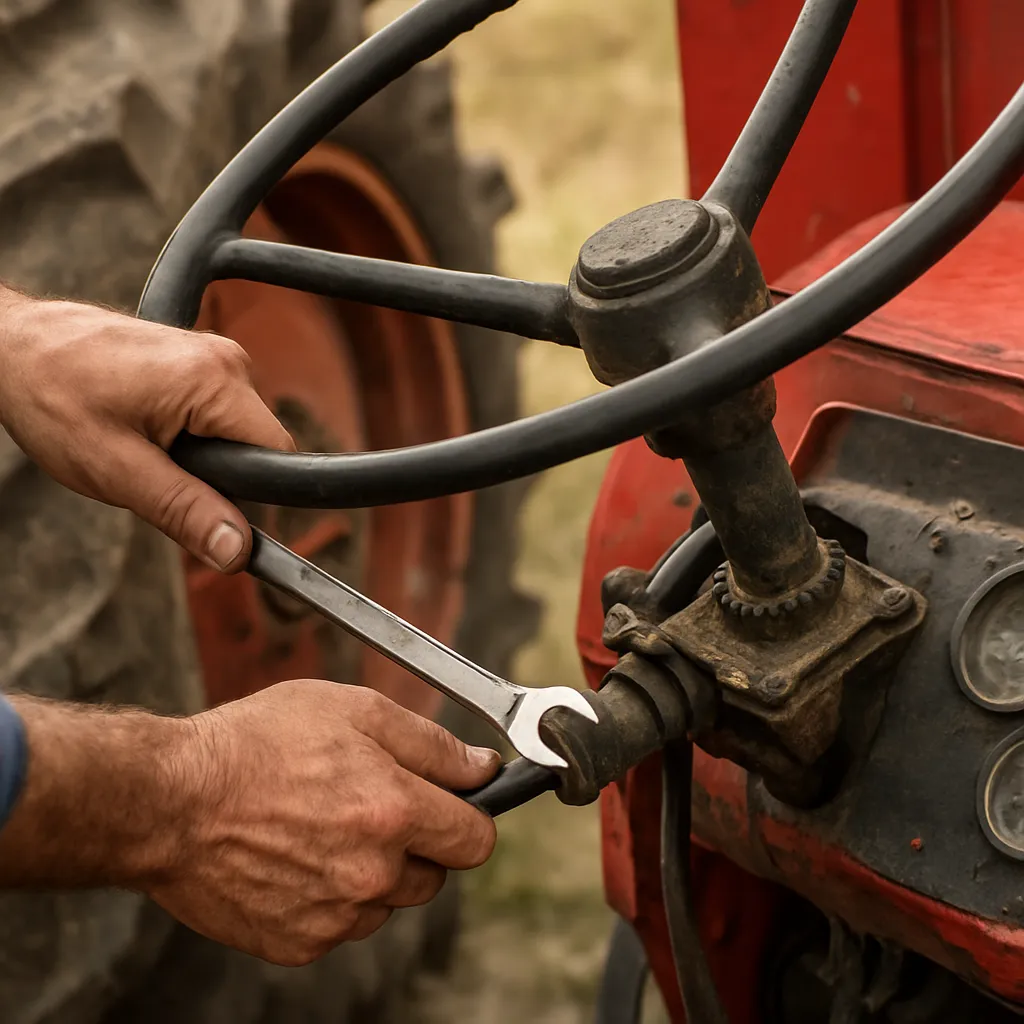
Tackling long hours behind the wheel of a tractor demands a strategic approach to minimize fatigue and maintain peak alertness. Operators face monotonous terrain, unpredictable weather, and repetitive motions that can degrade performance and elevate safety risks. By addressing cabin design, work scheduling, health habits, and modern aids, farms can bolster operator well-being and productivity.
Optimizing Cabin Ergonomics
Seat and Control Layout
Comfortable seating is the first line of defense against musculoskeletal strain. A properly adjusted seat supports the lumbar region, encourages upright posture, and reduces unnecessary movement. Controls should rest within easy reach to avoid twisting or overextension, which can exacerbate discomfort during extended shifts.
- Invest in adjustable suspension seats to absorb vibrations and shocks.
- Verify armrest height and distance to joystick or steering wheel.
- Ensure pedals allow for slight knee bend at full depression.
Climate, Ventilation, and Lighting
Maintaining an ideal cabin environment helps preserve alertness. Effective heating and air conditioning combat temperature extremes, while fresh airflow prevents stuffiness.
- Install cabin air filters and schedule regular maintenance.
- Use tinted windows or sun visors to reduce glare.
- Employ adjustable LED interior lighting for early morning or dusk operations.
Implementing Structured Breaks and Rotations
Scheduled Micro-Breaks
Incorporating short pauses every 60–90 minutes can revive energy levels. Even 5 minutes of rest away from active controls helps reset concentration.
- Set alarms or prompts in the cab to remind operators of upcoming pauses.
- Encourage quick stretches focusing on neck, shoulders, and legs.
- Offer a cool beverage or snack to boost alertness.
Task Rotation and Job Sharing
Monotony intensifies fatigue, but rotating tasks distributes physical and mental load. Where possible, alternate between plowing, seeding, and equipment checks. Job sharing or team rotations can shorten each operator’s continuous driving time.
- Map out daily task segments lasting no more than two hours.
- Cross-train operators to handle multiple implements.
- Maintain open communication so swaps happen smoothly.
Promoting Operator Health and Wellness
Balanced Nutrition and Hydration
Proper fuel and fluid intake are essential. Heavy meals can induce drowsiness, while dehydration leads to headaches and reduced focus.
- Provide high-protein, low-glycemic snacks such as nuts or yogurt.
- Encourage drinking water steadily—aim for at least 2 liters per day.
- Avoid excessive caffeine; substituting herbal teas can maintain steady energy.
Physical Activity and Stretching
Regular exercise outside tractor hours strengthens muscles, enhances endurance, and promotes better posture. Simple stretches before and after shifts reduce stiffness.
- Perform dynamic leg swings and shoulder rolls at start of day.
- Schedule light gym sessions or walks during lunch.
- Integrate yoga poses to improve flexibility and core stability.
Leveraging Modern Monitoring Aids
Fatigue Detection Systems
Advanced monitoring solutions can alert both operators and supervisors when signs of fatigue appear. Cameras tracking eyelid movements, steering patterns, or head posture trigger timely warnings.
- Install in-cab sensors to monitor blink rate and gaze direction.
- Set threshold alerts for prolonged yawning or microsleeps.
- Integrate audible and visual signals to prompt immediate rest.
Telematics for Real-Time Feedback
Telematic platforms collect data from engine performance, GPS, and operator behavior. Analyzing these metrics uncovers patterns of overwork and inefficiency.
- Use GPS to track field coverage and note unusually slow sections.
- Sync engine hours with break schedules to avoid excessive runtimes.
- Review daily reports to adjust future shift lengths.
Routine Maintenance and Safety Checks
Preventative Equipment Care
Well-maintained machinery runs smoother and demands less corrective input from the operator. Vibrations and jerky responses can accelerate fatigue.
- Lubricate joints, linkages, and moving parts at recommended intervals.
- Balance and align tires to reduce steering effort.
- Inspect hydraulic systems for leaks and proper pressure.
Pre-Shift Inspections
A quick daily walkaround narrows down potential hazards before they escalate. Confirm lights, brakes, and mirrors are fully functional.
- Check fluid levels—engine oil, coolant, and fuel.
- Test emergency stop mechanisms and horn.
- Secure loose tools or debris that may cause vibration or noise.
Enhancing Mindset and Alertness
Mental Break Techniques
Mindfulness exercises and brief mental diversions reset focus. A 2-minute breathing session or listening to an upbeat tune can have a revitalizing effect.
- Practice deep-breathing patterns to lower stress.
- Keep a playlist of motivating tracks for breaks.
- Use smartphone apps for quick meditation or guided stretching.
Fostering a Safety-First Culture
Encourage operators to report any signs of extreme fatigue or discomfort. Supervisors should reinforce that requesting a rest is a sign of responsibility, not weakness.
- Hold regular toolbox talks on fatigue management strategies.
- Share anonymized fatigue incident data to raise awareness.
- Reward teams that consistently follow rest protocols and safe practices.