Vineyard managers face a unique blend of challenges that demand robust solutions tailored to narrow rows, steep slopes and delicate vine canopies. Selecting the right tractor can dramatically improve productivity, protect precious vines and ensure timeliness during critical growing stages. This article explores how modern vineyard tractors combine efficiency, precision and durability to transform operations from pruning through harvest.
Enhancing Vineyard Productivity with Specialized Tractors
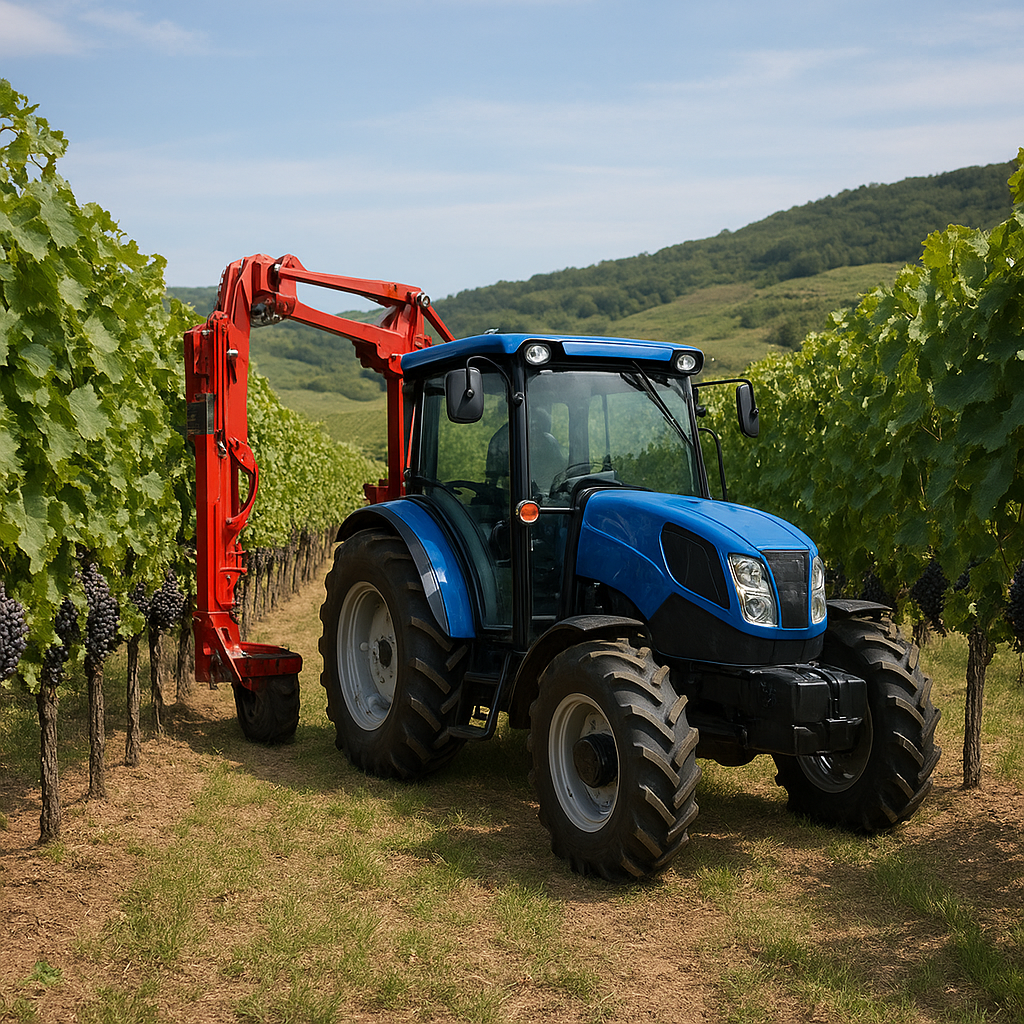
Traditional row-crop tractors often struggle in vineyards due to tight spacing and irregular terrain. By contrast, tractors designed specifically for vineyards offer exceptional maneuverability and reduced soil compaction. These machines incorporate narrow chassis designs and adjustable track widths that adapt to the variable spacing between vine rows. Enhanced cab visibility ensures operators can monitor vine health while driving, reducing the need for constant on-foot inspection.
- Reduced soil disturbance: Low center of gravity and lightweight frames minimize root damage and preserve soil structure.
- Optimized row clearance: Slim profiles and high ground clearance protect vine foliage during spraying and trimming.
- Enhanced operator comfort: Ergonomic controls and climate-controlled cabins prevent fatigue, allowing long working days.
By leveraging these design features, vineyard tractors not only speed up routine tasks but also safeguard the long-term health of vines, translating into higher yields and better fruit quality.
Key Features of Modern Vineyard Tractors
Innovations in engine technology and hydraulic systems have ushered in a new era for vineyard machinery. Now, smaller tractors can deliver the same power output as larger units while consuming less fuel. Below are the critical components that define a top-tier vineyard tractor:
Engine and Transmission
Modern engines balance torque and fuel economy. Tier 4 emissions standards have pushed manufacturers to integrate advanced exhaust after-treatment systems without sacrificing performance. Continuously Variable Transmissions (CVT) provide smooth power delivery and allow operators to adjust speed on the fly, maintaining optimal engine RPM for tasks like mowing or pesticide application.
Hydraulic System and Implements
High-flow hydraulics enable rapid response when attaching front-mounted tools or rear implements. Electronic hitch controls simplify the process of raising and lowering equipment, ensuring consistent depth for cultivators and planters. Many tractors now feature integrated hydraulic couplers, reducing setup time and cost-effectiveness for operations requiring frequent implement changes.
Precision Farming Technologies
GPS guidance, auto-steer and data logging transform tractor operation into a science. These systems deliver:
- Reduced overlap: Minimizes wasted passes during spraying or fertilizing.
- Field mapping: Documents soil variability, helping vintners tailor nutrient application.
- Remote diagnostics: Allows dealers to monitor tractor health and perform preemptive maintenance.
Integrating precision farming tools boosts resource efficiency and fosters more sustainable vineyard practices.
Top Tractor Models for Vineyard Operations
Several manufacturers have developed dedicated vineyard series that excel in narrow-row performance and ease of maintenance. The following overviews highlight standout models renowned for their combination of versatility and specialized features.
Model A: Compact Powerhouse
With a 75 hp engine and adjustable track width from 48 to 70 inches, Model A delivers ample power for sprayers, mowers and harvesters. Its low-friction drivetrain reduces heat buildup, while sealed wheel bearings extend service intervals. Key advantages include:
- Fully integrated LED lighting package for night operations
- Joystick-controlled three-point hitch for precision tool placement
- Optional twin-pump hydraulics providing up to 40 gallons per minute
Model B: High-Traction Specialist
Engineered for steep slopes, Model B features four-wheel drive with locking differentials and a pivoting front axle that enhances traction on uneven ground. Its electronically adjustable ballast system allows operators to shift weight distribution depending on the implement in use. Notable aspects include:
- Integrated roll-over protective structure (ROPS) with quick-fold capability
- Cab suspension for operator comfort on rough terrain
- Telemetry package for real-time performance monitoring
Model C: Electric Innovation
Electric tractors are carving out a niche in vineyards, where zero emissions and minimal noise pollution are valuable. Model C pairs 100 kW of peak motor power with a 200 kWh battery bank, offering over six hours of continuous field work. Features that stand out:
- Rapid charging capability using standard vineyard power outlets
- Regenerative braking that recovers energy on slopes
- Modular battery packs that can be swapped in minutes
By reducing reliance on diesel fuel, electric tractors support sustainability goals and lower operating costs over the long term.
Maintenance and Sustainability Practices
Regular servicing and eco-friendly practices are essential to prolong the life of any tractor and minimize environmental impact. Vineyard owners should adhere to a rigorous maintenance schedule while exploring green initiatives that align with modern agricultural standards.
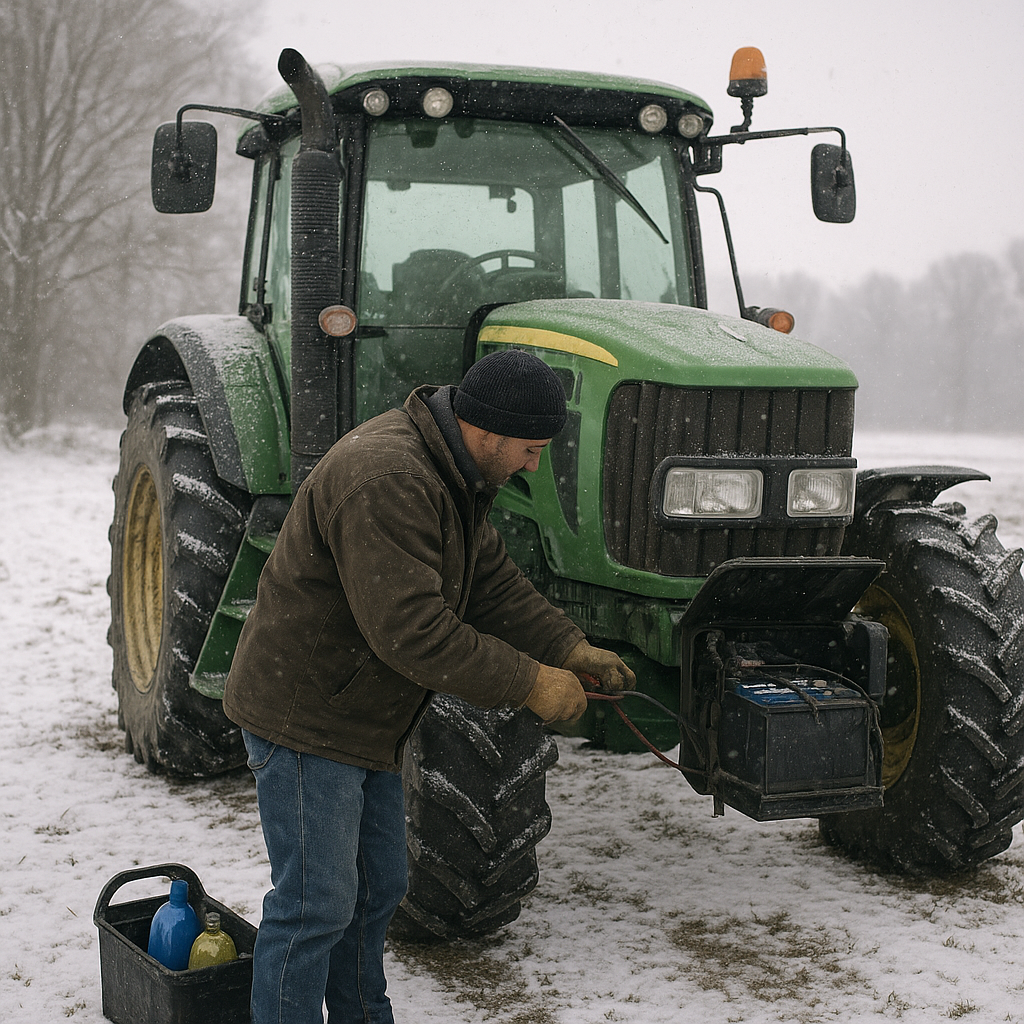
- Fluid analysis: Periodic checks of engine oil, hydraulic fluid and coolant detect contamination before it leads to component failure.
- Air filtration: Replacing air filters at manufacturer-recommended intervals preserves engine efficiency and reduces particulate emissions.
- Biodegradable lubricants: Where feasible, using eco-friendly oils decreases soil contamination in the event of leaks.
- Precision nutrient management: Soil sampling combined with GPS-guided spreading reduces fertilizer overuse, protecting nearby waterways.
- Cover cropping: Planting legumes or grasses between vine rows improves soil health, reduces erosion and enhances water retention.
Implementing these practices not only safeguards equipment reliability but also strengthens certification efforts for organic or sustainably farmed vineyards.