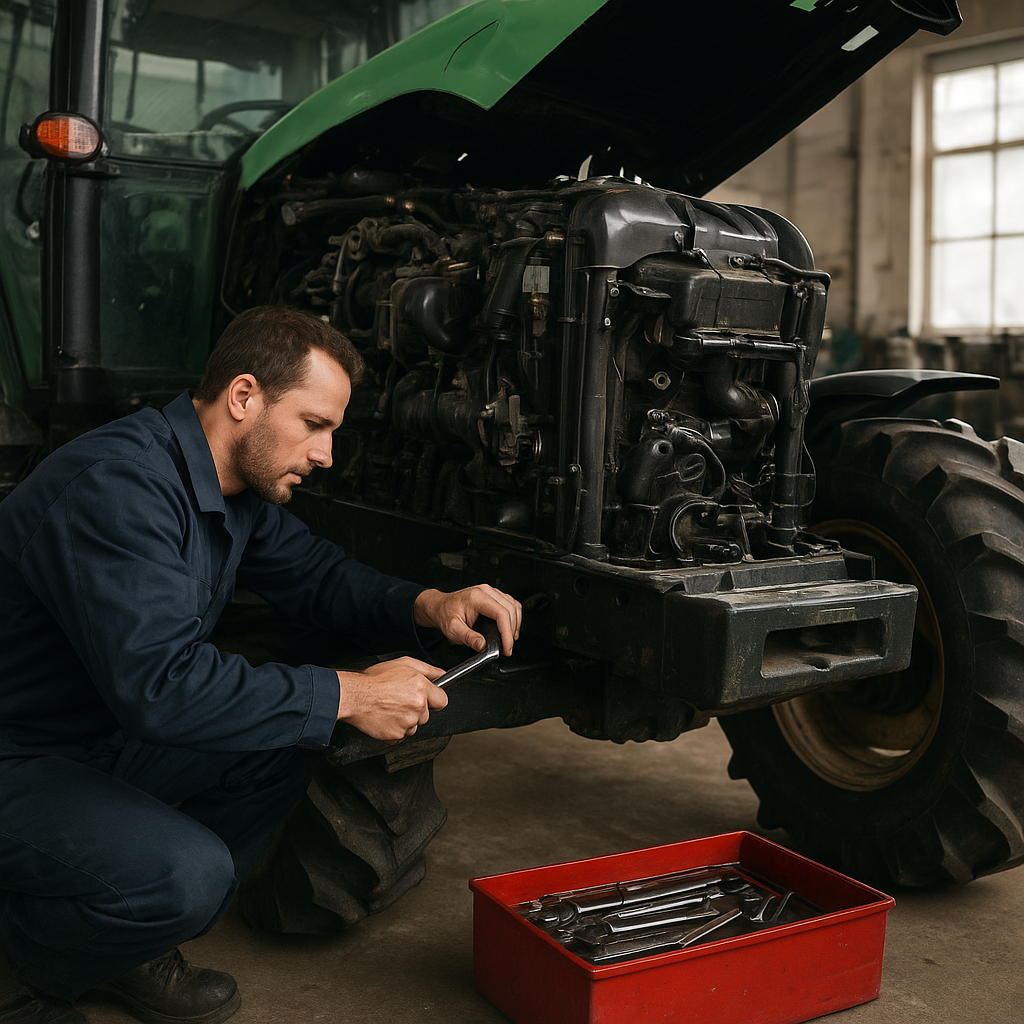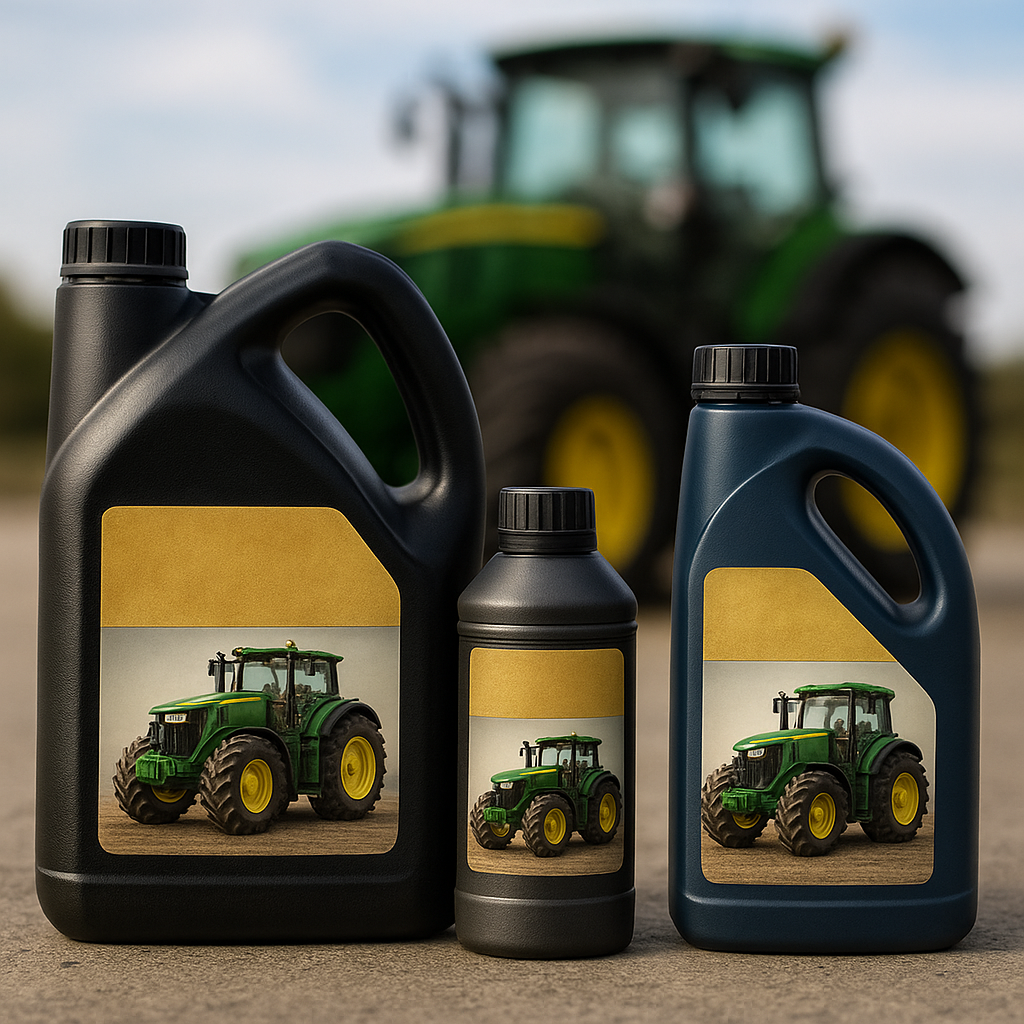
Selecting the right lubricant can significantly impact the longevity and reliability of your farm machinery. A well-lubricated tractor engine ensures smooth operation, reduces wear on internal parts and maintains optimal fuel economy. This article explores critical factors, lubricant types and top recommendations to help you make an informed decision.
Importance of Proper Lubrication in Tractor Engines
Every tractor relies on its engine to deliver power under demanding conditions. Without adequate lubricants, metal surfaces grind together, generating heat and accelerating wear. Proper oil not only reduces friction but also carries away contaminants and protects against corrosion. Consistent lubrication preserves durability and ensures that vital components such as pistons, crankshafts and camshafts remain in peak condition.
- Minimizes metal-to-metal contact
- Maintains thermal stability under heavy load
- Prevents sludge and deposit formation
- Enhances fuel efficiency
- Extends service intervals and reduces downtime
Understanding Viscosity and Performance Factors
The primary characteristic of any engine oil is its viscosity, which determines how easily the fluid flows at various temperatures. A too-thick oil can starve critical oil passages during cold starts, while an overly thin product may fail to maintain a protective film under high heat. Viscosity is commonly expressed by SAE grades such as 10W-30 or 15W-40. When selecting oil, ensure it meets OEM requirements for your tractor model.
The viscosity index reflects how much the oil’s thickness changes between cold and operating temperatures. A high index indicates more stable performance across temperature extremes. Other important performance factors include:
- Additives: Detergents, dispersants and anti-wear agents keep the engine clean and protect moving parts.
- Pour point: The lowest temperature at which oil still flows.
- Total Base Number (TBN): Measure of acid-neutralizing capacity, critical for long drain intervals.
- Oxidation resistance: Preserves oil integrity under high thermal stress.
Types of Tractor Engine Lubricants
Farm equipment can operate in dusty fields, through mud and under extreme loads. Understanding the differences between lubricant categories is vital:
Synthetic Oils
Synthetic lubricants are engineered fluids designed to offer superior stability, reduced volatility and enhanced protection at both low and high temperatures. Their uniform molecular structure allows for lower friction and less evaporation, leading to improved fuel economy. They also exhibit excellent resistance to thermal breakdown, making them ideal for tractors operating in harsh climates or continuous heavy-duty cycles.
Conventional Mineral Oils
Derived from refined crude oil, mineral-based products are often more affordable and meet standard performance thresholds. While they provide adequate protection for many applications, they tend to degrade faster under extreme heat and may require more frequent oil changes. They are best suited for light agricultural tasks or older machines built with looser engine tolerances.
Blended Oils
Combining mineral and synthetic base stocks, blended lubricants deliver a balance between cost-effectiveness and performance enhancements. These oils typically include a targeted additive package to improve detergency and wear protection, extending oil life compared to straight mineral products.
Top Recommended Lubricants for Modern and Vintage Tractors
Choosing a brand-approved oil ensures compatibility with your tractor’s design. Below are some highly regarded options across categories:
- Brand A Synthetic 5W-40: Exceptional cold-start performance and extended drain intervals up to 500 hours.
- Brand B Semi-Synthetic 10W-30: Balanced price-to-performance ratio, featuring robust anti-wear chemistry for medium-duty chores.
- Brand C Premium Mineral 15W-40: Trusted by classic tractor enthusiasts for reliable protection and easy availability.
- Brand D Ultra Blend 10W-40: Enhanced oxidation resistance with a fortified additive pack to combat soot and sludge.
- Brand E Low-Ash Diesel 10W-30: Designed for Tier 4 engines, optimized for exhaust after-treatment systems.
Always confirm that the lubricant meets ISO, API and manufacturer specifications. Deviating from recommended standards can lead to warranty voidance and potential engine damage.
Best Practices for Maintenance and Oil Changes
Regular oil and filter replacement are pivotal to prolonging engine life. Follow these guidelines for optimal results:
- Adhere to OEM-specified intervals without extending past the maximum recommended hours.
- Use high-quality filters with multi-layer media to trap fine particles.
- Maintain proper lubricant levels, checking dipsticks or sight gauges before each operation.
- Monitor oil condition through periodic analysis to detect contaminants or additive depletion.
- Flush the system if switching between drastically different oil types to avoid compatibility issues.
Seasonal adjustments—such as choosing a lower SAE grade for winter—help maintain startup fluidity. Keeping a log of service dates and performance notes supports informed decision-making and fosters consistent maintenance habits.
Enhancing Tractor Engine Longevity
Beyond selecting the correct oil, a holistic approach to care reinforces engine resilience. Incorporate checks on air filtration, coolant chemistry and belt tensions. Properly tensioned fan belts and clean radiators prevent overheating, while effective seals and gaskets guard against leaks. A well-kept engine, running the right lubricants, achieves peak output and dependable service across seasons.