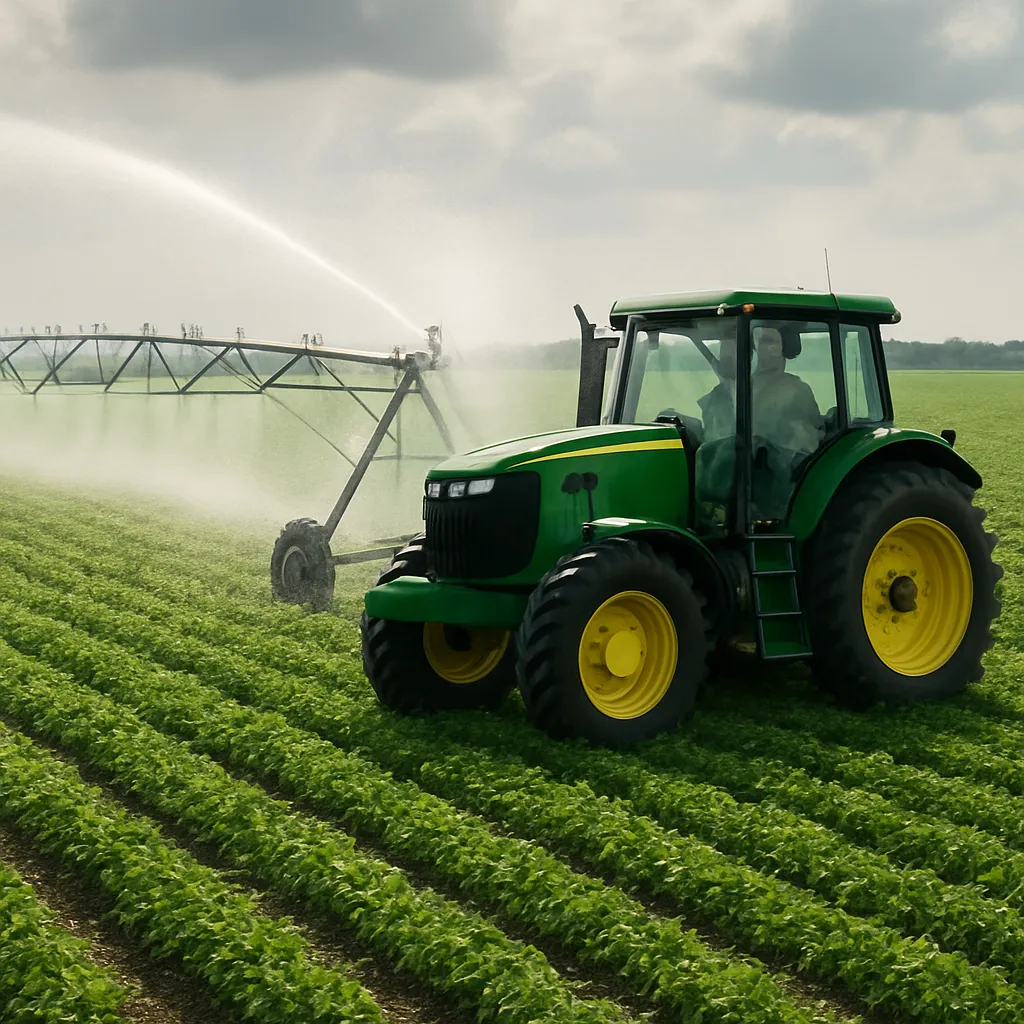
Tractors have become indispensable in modern agriculture, particularly when it comes to optimizing water usage and improving irrigation processes. By integrating cutting-edge attachments and advanced controls, these machines contribute to transformative changes in field management. This article explores various aspects of how tractors influence irrigation systems, emphasizing the role of tractors in boosting overall efficiency and promoting sustainable farming practices.
Equipment and Technological Advancements
Tractor-Powered Pump Systems
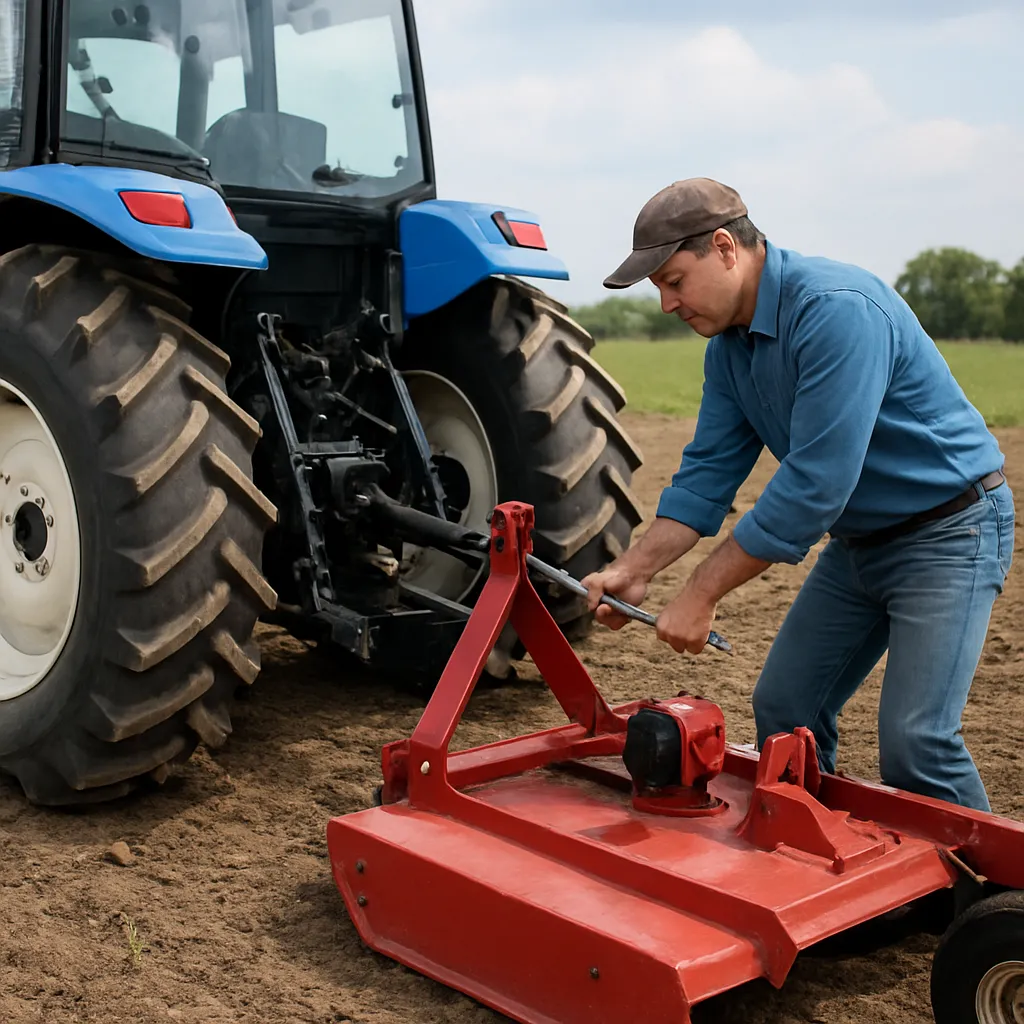
One of the primary ways tractors enhance irrigation tasks is by powering portable pump units. These pumps can be mounted directly on the three-point hitch or towed behind the tractor as a self-contained trailer. Key benefits include:
- High-flow capacity that adapts to varying water sources such as ponds, rivers, or reservoirs
- Durable construction designed to withstand abrasive sediments and changing water levels
- Quick attachment and detachment systems to minimize downtime between fields
Equipping tractors with pump manifolds and PTO (power take-off) drives ensures that farmers can rapidly deploy irrigation wherever it’s needed. This modularity is critical during peak growing seasons when time and water availability are limited.
Advanced Sprayer and Drip Line Attachments
Tractors also support a variety of sprayer rigs and drip line installers that tailor water application rates with high precision. Innovations include:
- Variable-rate nozzles that adjust flow based on GPS-mapped field zones
- Foldable booms enabling coverage widths exceeding 36 meters for large-scale operations
- Integrated pressure sensors that monitor line integrity and detect clogs instantly
This capability to fine-tune every edge of an irrigation system helps reduce wasteful runoff and promotes uniform moisture levels across diverse soil types.
Enhancing Water Management and Soil Conservation
Optimizing Irrigation Scheduling
By pairing tractors with soil moisture probes and automated timers, farmers can create irrigation schedules that align with crop water requirements and weather forecasts. Tractor-mounted data loggers gather real-time readings of soil moisture at various depths, enabling:
- Data-driven decisions on irrigation timing to avoid overwatering
- Dynamic adjustment to shifting conditions such as rainfall or heatwaves
- Reduction of evaporation losses through night-time or pre-dawn watering
Such fine-tuned scheduling not only conserves valuable resources but also minimizes the risk of waterlogging, which can impair root growth and lower yields.
Soil Compaction and Mitigation Techniques
While tractors deliver immense benefits, heavy machinery can contribute to soil compaction, affecting both infiltration rates and root development. To address these concerns, operators employ:
- Wide dual tires or low-pressure flotation wheels that distribute weight over larger footprints
- Controlled Traffic Farming (CTF) practices that confine wheel paths to predetermined lanes
- Subsoiling attachments that break up compacted layers without disturbing surface residues
By balancing the demands of powerful irrigation setups with soil health management, farmers safeguard long-term sustainability and maintain optimal growing conditions.
Integrating Digital Systems and Automation
GPS Guidance and Auto-Steer Technologies
Modern tractors often come equipped with satellite-based guidance systems that ensure straight, overlap-free passes in the field. Benefits include:
- Uniform application of water and agrochemicals, eliminating both missed and double-treated zones
- Reduced operator fatigue, allowing extended work periods during critical irrigation windows
- Enhanced mapping of irrigated acres, facilitating record-keeping and compliance reporting
Auto-steer systems also play a pivotal role in night-time operations, enabling consistent performance when visibility is limited.
IoT Connectivity for Real-Time Monitoring
The incorporation of Internet of Things (IoT) devices transforms tractors into mobile monitoring hubs. Sensors installed on tractors and irrigation lines transmit data such as flow rates, pump pressures, and soil moisture to cloud platforms. This networked environment provides:
- Instant alerts for leaks, blockages, or equipment malfunctions
- Historical trend analysis to improve future irrigation strategies
- Centralized dashboards that unify data from multiple tractors and fields
This level of connectivity ensures that farm managers maintain complete oversight of water distribution, even across sprawling operations.
Future Innovation and Industry Trends
Renewable Energy Integration
As farms pursue carbon reduction goals, tractors are being adapted to support renewable power sources for irrigation. Solar- or wind-powered pumping systems can be coupled with battery storage, and tractors equipped with onboard hybrid or electric drive systems can directly supply electrical energy to pumps. Advantages include:
- Lower fuel consumption and reduced greenhouse gas emissions
- Opportunities for farmers to qualify for sustainability grants or incentive programs
- Quiet operation, beneficial for community relations and wildlife habitats
This synergy between technology and renewable resources paves the way for greener, more resilient irrigation practices.
Autonomous Tractor Platforms
Looking ahead, autonomous tractors promise to revolutionize how water is delivered across fields. Unmanned vehicles equipped with advanced sensors and machine learning algorithms will be able to:
- Navigate complex terrains and avoid obstacles while maintaining precise irrigation paths
- Coordinate with drone-based aerial imagery to detect moisture deficits or stressed crop regions
- Perform 24/7 operations, optimizing irrigation windows based on predictive analytics
These driverless systems will further enhance productivity and optimize resource use by executing irrigation plans with minimal human intervention.
Economic and Environmental Impacts
Cost-Benefit Analysis for Farmers
Initial investments in specialized irrigation attachments, digital controls, and renewable integrations can be substantial. However, the long-term returns are significant:
- Lower overall water usage leading to decreased utility expenses
- Higher crop yields through more uniform moisture distribution
- Reduced labor costs as automation handles repetitive tasks
When farmers evaluate the total lifecycle costs of these automation upgrades, the payback period often falls within a few seasons of consistent operation.
Positive Effects on Ecosystems
Efficient tractor-enabled irrigation systems help preserve precious water bodies and aquifers. Properly managed water application reduces:
- Surface runoff that carries fertilizers and pesticides into streams
- Excessive groundwater extraction that lowers water tables
- Soil erosion due to uncontrolled water flow
By aligning agricultural practices with environmental stewardship, these integrated solutions contribute to healthy watersheds and robust biodiversity.