Preparing soil efficiently is crucial for successful crop yields and farm productivity. A well-prepared seedbed ensures proper seed-to-soil contact, uniform germination, and optimal root development. Using a tractor for soil preparation offers both versatility and power, making it the backbone of modern agriculture. This article explores essential steps, from choosing the right equipment to mastering operational techniques and maintaining your machinery.
Selecting the Right Tractor and Attachments
Choosing the appropriate tractor and implements is the first step toward effective soil preparation. Farmers must match the tractor’s horsepower to the tasks at hand and select attachments that suit soil type, field size, and crop requirements.
Assessing Tractor Specifications
- Horsepower: Ensure adequate power for pulling plows, harrows, and cultivators without overloading the engine.
- Transmission Type: Hydrostatic, power-shift, or manual – choose based on ease of use and fuel efficiency.
- Traction and weight distribution: Four-wheel drive or dual wheels provide better grip on soft or uneven ground.
Essential Soil Preparation Implements
- Plow: Primary tillage tool that turns over the soil, buries crop residues, and controls weeds.
- Chisel Plow: Less aggressive than a moldboard plow, it loosens subsoil and preserves moisture.
- Disc Harrow: Breaks clods and smooths the seedbed after primary tillage.
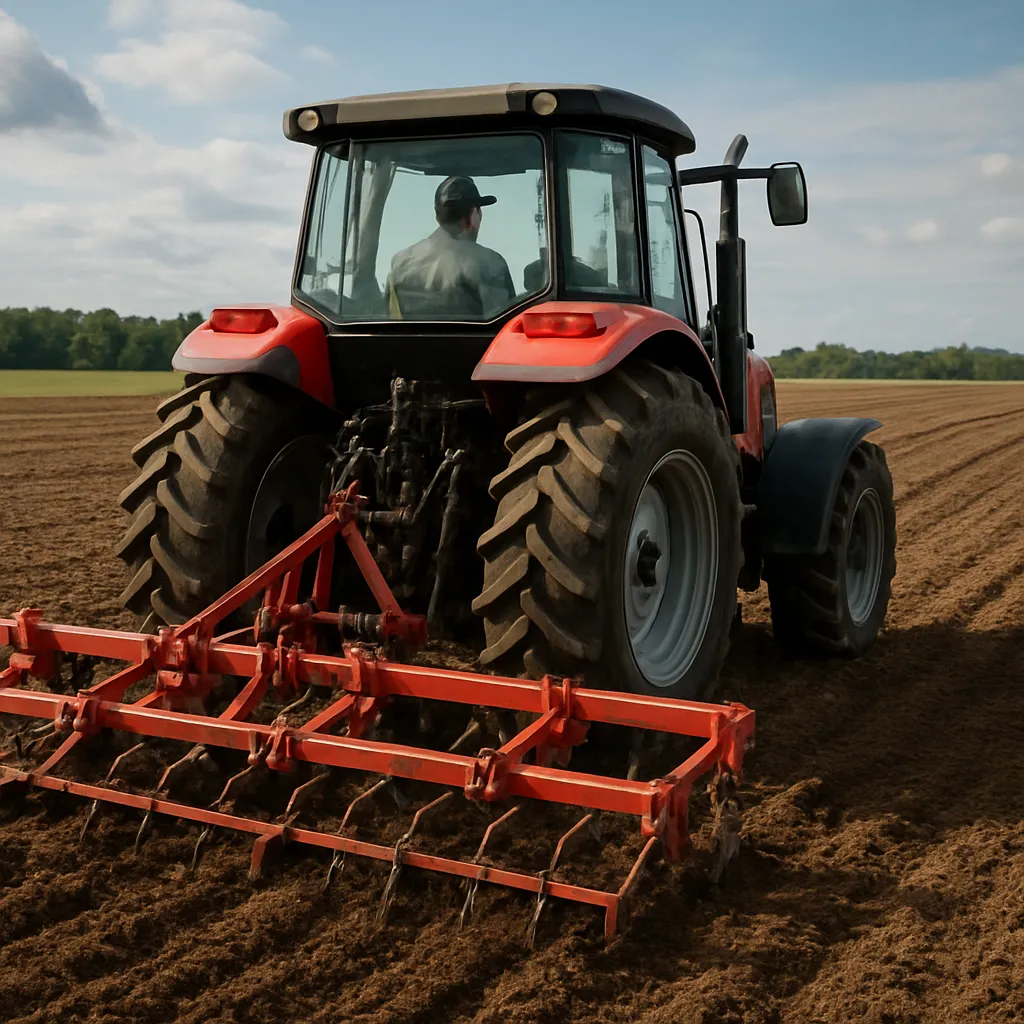
- Cultivator: Provides secondary tillage, controlling shallow weeds and aerating the topsoil.
- Rotary Tiller: Delivers fine tilth, ideal for vegetables and small-seeded crops.
Key Considerations
- Soil Texture: Sandy soils require lighter tillage; clayey soils benefit from deeper, more powerful implements.
- Field Size: Larger fields may justify heavier tractors with wide implements for faster coverage.
- Crop Rotation: Specific implements may suit certain crops; adjust equipment based on future planting plans.
Preparing the Field
Proper field preparation lays the groundwork for uniform crop emergence and healthy root systems. Follow a systematic approach to remove obstacles and optimize soil structure.
Clearing Debris and Obstacles
- Remove rocks, broken stumps, and large residues to prevent damage to implements.
- Mow tall vegetation to facilitate easier plowing and better traction.
Primary Tillage with a Plow
Primary tillage involves inverting the soil to bury crop residues and loosen compacted layers. Set the plow depth according to soil conditions and crop requirements.
- Depth Control: Adjust based on soil moisture; too deep can lead to excessive fuel consumption and soil inversion.
- Speed: Maintain a consistent pace (typically 5–8 km/h) to ensure uniform furrow formation.
- Furrow Spacing: Align passes carefully to avoid skips or overlaps, maximizing field coverage.
Secondary Tillage for Finer Seedbed
After plowing, use harrows or cultivators to break clods and level the surface. This step improves soil aeration and moisture retention.
- Disc Harrow Settings: Angle discs for aggressive cutting in tough soils, reduce angle for a smoother finish.
- Cultivator Tines: Space tines evenly; ensure they penetrate 5–10 cm for effective weed control.
- Rolling: A heavy roller can firm the seedbed, preventing air pockets and ensuring good seed-to-soil contact.
Operating Techniques for Optimal Results
Efficient operation not only enhances efficiency but also extends the lifespan of your tractor and attachments. Proper technique reduces fuel consumption and prevents premature wear.
Matching Speed and Power
- Aim for consistent ground speed to maintain uniform tillage depth.
- Monitor engine load via tachometer; avoid high RPMs under heavy stress to prevent overheating.
Implement Adjustment and Alignment
- Check hitch height and leveling: Uneven implements lead to inconsistent tillage.
- Side-to-Side Balance: Adjust stabilizers to minimize draft force and reduce strain on the tractor.
- Downforce Control: Use hydraulic or mechanical downforce for implements that require firm soil penetration.
Navigating Field Obstacles
- Headlands and Boundaries: Slow down and lift implements when turning to avoid soil rutting.
- Wet Spots: Identify and avoid excessively wet areas to prevent slippage and soil compaction.
- Contour Farming: Follow natural land contours to reduce erosion and water runoff.
Maintenance and Safety Practices
Regular maintenance and adherence to safety protocols ensure that both operator and machine remain in top condition throughout the season.
Daily and Seasonal Maintenance
- Inspect Tire Pressure: Proper inflation improves traction and fuel economy.
- Lubrication: Grease fittings on implements, hitch points, and PTO shafts as per manufacturer guidelines.
- Hydraulic Systems: Check hoses and connections for leaks; maintain correct fluid levels.
- Air Filters and Radiator: Clean regularly to prevent overheating and maintain engine performance.
Safety Guidelines
- Personal Protective Equipment: Wear sturdy boots, gloves, and hearing protection when operating equipment.
- Roll-Over Protection Structure (ROPS): Always ensure the ROPS is locked and seat belts are fastened.
- Awareness: Keep bystanders at a safe distance when engaging or disengaging implements.
- Emergency Preparedness: Carry a fire extinguisher, first-aid kit, and communication device in the cab.
Maximizing Productivity and Soil Health
Combining effective tractor-based soil preparation with sustainable practices promotes long-term field productivity and environmental stewardship.
Conservation Tillage Options
- Strip Tillage: Minimizes soil disturbance by tilling only narrow strips where seeds are placed.
- No-Till Seed Drills: Reduce erosion and preserve organic matter by planting directly into residue cover.
- Cover Crops: Integrate legumes or grasses to improve soil structure and nutrient cycling.
Monitoring Soil Conditions
- Soil Testing: Regular pH and nutrient analysis guide amendments and fertilizer application.
- Moisture Sensors: Prevent over- or under-tillage by tracking soil moisture levels in real time.
- Organic Matter Content: Aim for at least 3–5% to sustain soil fertility and biological activity.
Data-Driven Decision Making
- GPS and Precision Farming: Use auto-steer and field mapping to optimize implement passes and reduce overlaps.
- Telematics: Monitor tractor performance remotely to schedule maintenance and analyze fuel use.
- Variable-Rate Technology: Adjust tillage intensity based on soil variability within the field.