Protecting valuable agricultural machinery like tractors requires a multifaceted approach. By combining physical barriers, advanced electronics, and strategic planning, farmers and equipment managers can significantly reduce the risk of theft and minimize potential losses. This guide explores key methods to bolster tractor security, identify vulnerabilities, and implement effective countermeasures.
Understanding Tractor Vulnerabilities
To design a robust protection system, it is essential to first recognize the common weaknesses exploited by thieves. Tractors often remain unattended in fields or yards, making them enticing targets. Factors that increase susceptibility include remote locations, lack of proper lighting, and absence of marking or identification. Below are primary areas of concern:
- Isolation: Machines left in secluded areas without regular monitoring.
- Access points: Ignition systems and pedal linkages that can be hot-wired or bypassed.
- Identification gaps: Lack of serial number engraving or visible registration making recovery challenging.
- Transport ease: Trailers and vehicles capable of moving tractors quickly.
Understanding these threats allows owners to tailor preventive steps based on specific risks, such as geographic crime rates and farm layout.
Physical Security Measures
Solid, mechanical deterrents form the first line of defense. By making unauthorized removal time-consuming and noisy, thieves are more likely to abandon their efforts. Key tactics include:
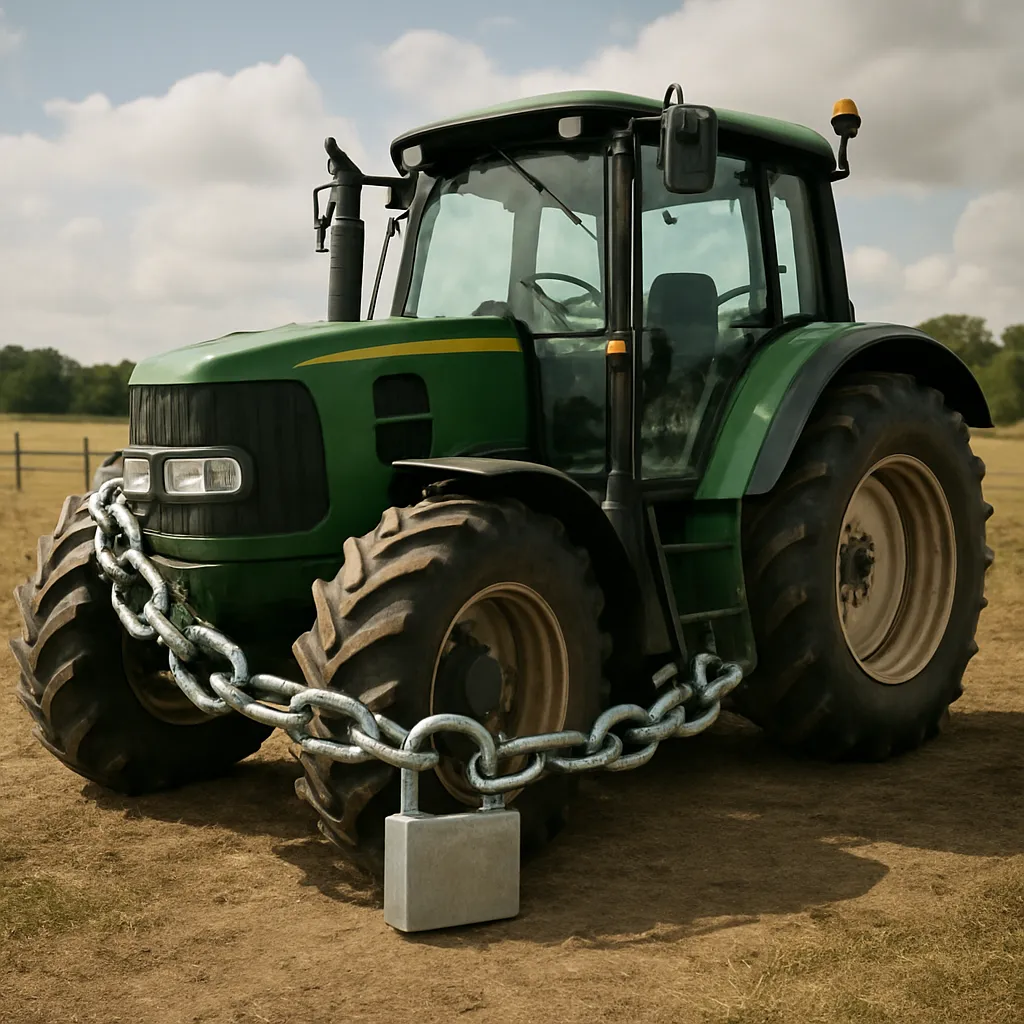
- Wheel immobilizers: Heavy-duty devices lock the wheel hub, preventing rotation. Models with hardened steel components resist cutting and prying.
- Steering locks: Similar to car steering wheel locks, these bars clamp onto the wheel column. The visual obstacle serves as a strong deterrence.
- Ground anchors: Fixed points in concrete where tractors can be chained. They require substantial tools to breach.
- Secure covers: Lockable engine hoods and control panel shields prevent easy access to ignition and hydraulic controls.
Each of these measures adds layers of protection, forcing thieves to invest more time and specialized tools, thereby increasing the chance they’ll be caught or give up.
Technological Solutions
Electronics have transformed anti-theft strategies. Modern systems not only alert owners but also assist law enforcement in tracking and recovering stolen equipment. Consider integrating the following:
GPS Tracking Systems
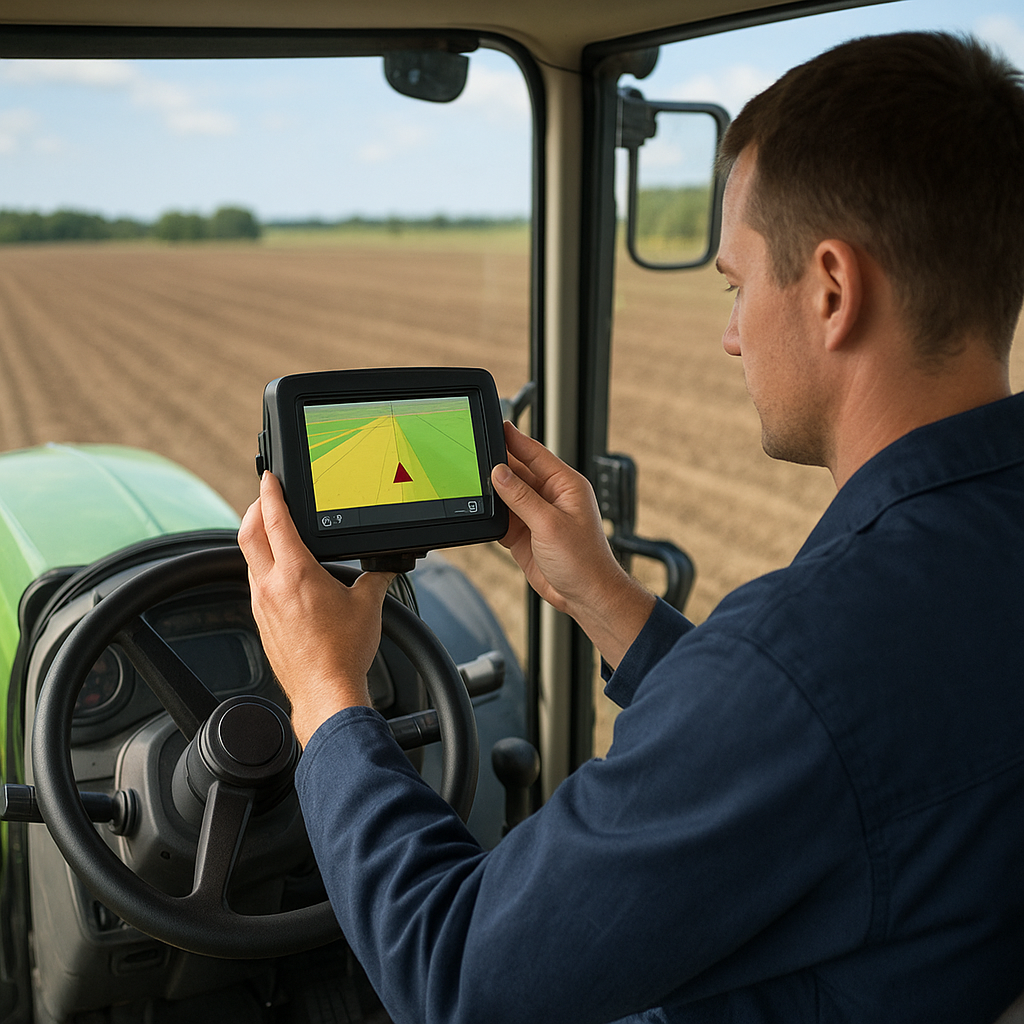
- Real-time location updates via cellular or satellite networks.
- Geo-fencing alerts: notifications when a tractor moves beyond predefined boundaries.
- Discreet installation to prevent tampering.
Engine Immobilizers
- Electronic modules interrupt fuel or ignition circuits unless the correct digital code is provided.
- Compatibility with key fobs or smartphone authentication for added convenience.
Surveillance and Sensors
- Motion detectors attached to the machine or surrounding fence lines.
- Infrared cameras with low-light capability, sending images directly to mobile devices.
- Vibration sensors that trigger alarms at the slightest unauthorized jolt.
Combining multiple electronic layers ensures a robust system where one feature covers potential blind spots of another. Integration with farm management software can centralize alerts, logs, and remote control features.
Marking and Identification Techniques
Making tractors uniquely identifiable deters professional chop shops and eases recovery. Recommended practices include:
- VIN engraving on multiple metal parts, not just the chassis.
- UV marking or forensic spray that’s invisible to the naked eye but reveals under ultraviolet light.
- DNA-based markers applied to critical components; lab tests confirm authenticity.
- Photo records and detailed inventories, stored off-site or in cloud archives.
Visible warnings about anti-theft markings can further deter criminals who fear registering tainted parts.
Operational and Community Strategies
Beyond hardware and software, human factors play a critical role. Establishing routines and collaborating with neighbors strengthens overall farm defense.
- Routine patrols: Scheduled checks of fields, especially at dawn and dusk when thefts often occur.
- Shared watch: Coordinating with neighboring farms to monitor each other’s equipment.
- Local law enforcement: Regular communication and sharing of serial numbers and unique identifiers.
- Farm networks: Online groups or messaging apps alert members to suspicious activity in real time.
Community vigilance multiplies the effectiveness of individual precautions and networks information about emerging tactics used by thieves.
Insurance and Recovery Planning
No security system is infallible. Adequate insurance coverage provides financial protection and encourages quick reporting if theft occurs. Steps include:
- Choosing policies tailored for agricultural machinery, covering both full replacement and downtime costs.
- Maintaining updated documentation of tractor models, serial numbers, and values.
- Understanding claim procedures and required evidence, so you can act swiftly.
- Engaging recovery specialists who liaise with law enforcement and private investigators.
An effective insurance plan complements physical and electronic safeguards, providing peace of mind and resilience against losses.
Key Takeaways
- Layer multiple protections—mechanical locks, surveillance, and GPS—so breaching one barrier doesn’t grant easy access.
- Mark and document equipment with unique identifiers to deter resale of stolen parts.
- Coordinate with neighbors and authorities to create a vigilant network that catches threats early.
- Invest in tailored insurance and have a clear recovery protocol in place.