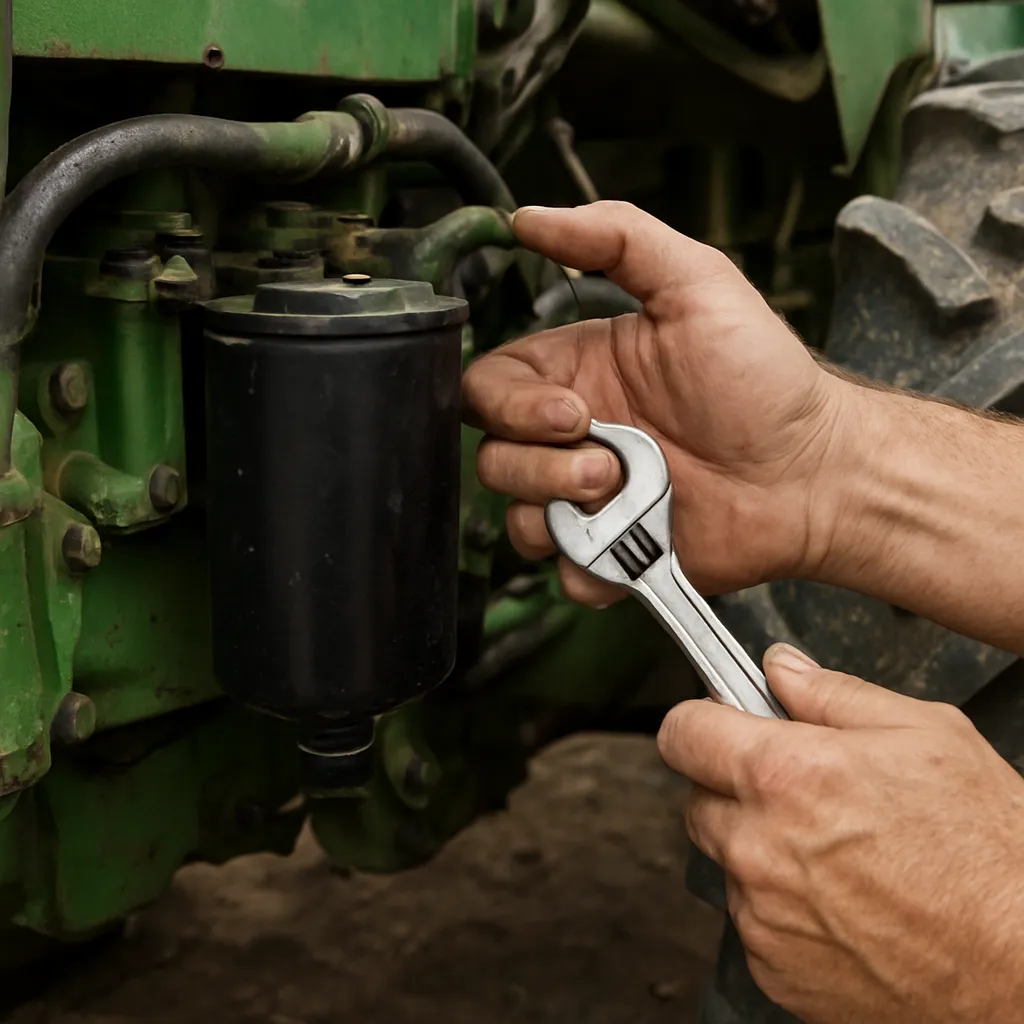
Maintaining a tractor’s hydraulic system is essential for ensuring smooth operation and avoiding costly breakdowns. One of the key elements in this process is regularly replacing the hydraulic filter to prevent contamination of the fluid, which can lead to damaged components and reduced efficiency. In this guide, we’ll explore the significance of a clean filter, walk you through the necessary tools and preparation, and provide a detailed step-by-step method to replace the filter safely and effectively.
Understanding the Importance of a Clean Hydraulic Filter
The hydraulic filter plays a critical role in preserving the integrity of the tractor’s hydraulic system. It traps debris, metal shavings, and various particles that may accumulate in the fluid over time. If left unchecked, these contaminants can cause abrasive wear on key components such as pumps, valves, and cylinders, ultimately leading to system failure.
Regular filter changes help maintain the correct pressure and flow rate, ensuring that attachments like loaders, backhoes, and mower decks operate with consistent power. A clogged filter will restrict fluid movement, often resulting in sluggish response, overheating, and jerky motions. By adhering to a routine replacement schedule—often recommended every 250–500 operating hours—you preserve the tractor’s performance and extend the lifespan of hydraulic parts.
Maintenance intervals may vary depending on working conditions. Dusty fields, frequent heavy lifting, and exposure to moisture can accelerate filter clogging. Always consult the manufacturer’s manual for specific guidelines and adjust your replacement frequency according to real-world operating demands.
Tools and Preparation
Prior to beginning the filter replacement, gather all necessary equipment. Having the right tools on hand reduces downtime and minimizes the risk of spills or component damage.
- Replacement hydraulic filter (OEM or equivalent quality)
- Hydraulic fluid matching the tractor’s specifications
- Wrenches or filter removal tool set
- Drain pan and absorbent pads
- Protective gloves and safety glasses
- Clean rags or lint-free towels
- Torque wrench (if torque specs are required)
- Funnel or fluid pump for refilling
Safety Precautions
- Park the tractor on a flat surface and engage the safety brake.
- Shut off the engine and allow hydraulic oil to cool before starting work.
- Depressurize the hydraulic system by cycling controls with the engine off.
- Wear eye protection to guard against fluid sprays.
Step-by-Step Procedure to Replace the Hydraulic Filter
Following a systematic approach will ensure a clean, efficient filter change without introducing new contaminants into the system.
1. Position and Drain
- Set the drain pan beneath the filter housing to catch any residual fluid.
- Loosen the filter housing cover slowly to relieve trapped pressure.
- Allow the oil to drain fully into the pan before proceeding.
2. Remove the Old Filter
- Use the appropriate wrench or filter removal tool to unscrew the housing cover.
- Carefully pull out the old filter; note its orientation to install the new one correctly.
- Inspect the filter sealing surface for any nicks or debris and clean with a lint-free towel.
3. Prepare the New Filter
- Compare the new filter to the old one to confirm correct size and type.
- Lightly coat the filter’s rubber seal with clean hydraulic oil to ensure a proper seal.
- Check for any protective covers that need removal before installation.
4. Install the New Filter
- Position the filter in the housing, aligning any tabs or slots as designed by the manufacturer.
- Hand-tighten the housing cover to compress the seal uniformly.
- If specified, use a torque wrench to tighten to the recommended torque value—typically between 15 and 25 lb-ft.
5. Refill and Prime
- Using a funnel or fluid pump, refill the system with the correct type and quantity of hydraulic fluid.
- Start the engine briefly and operate the hydraulic controls through their full range to bleed air from the lines.
- Recheck fluid level and top off as needed to reach the “Full” mark.
Troubleshooting and Advanced Tips
After replacing the filter, it’s wise to monitor the system for any irregularities.
- If you notice leaks around the housing, shut down the tractor and retighten the cover—do not overtighten.
- Persistent foaming in fluid indicates air ingress; re-bleed the system and inspect hose connections.
- A sudden drop in hydraulic pressure could signal a contamination bypass or faulty relief valve—schedule a full system check.
For high-performance or heavy-duty applications, consider upgrading to a high-capacity or pleated filter element, which offers increased dirt-holding capacity. Additionally, installing a clear sight glass on the return line allows you to visually monitor fluid clarity and detect contaminants early.
Proper disposal of used hydraulic filters and oil is also crucial. Many regions have recycling programs for metal filter cans and regulated drop-off sites for used oil. Always follow local environmental regulations to minimize ecological impact.