Choosing the ideal tractor for orchard work can transform productivity, reduce downtime, and ensure that every row of trees is maintained with precision. This guide outlines crucial factors to consider, from engine capabilities to ergonomic features, helping you invest in a machine that suits your orchard’s unique demands.
Selecting the Right Tractor Model
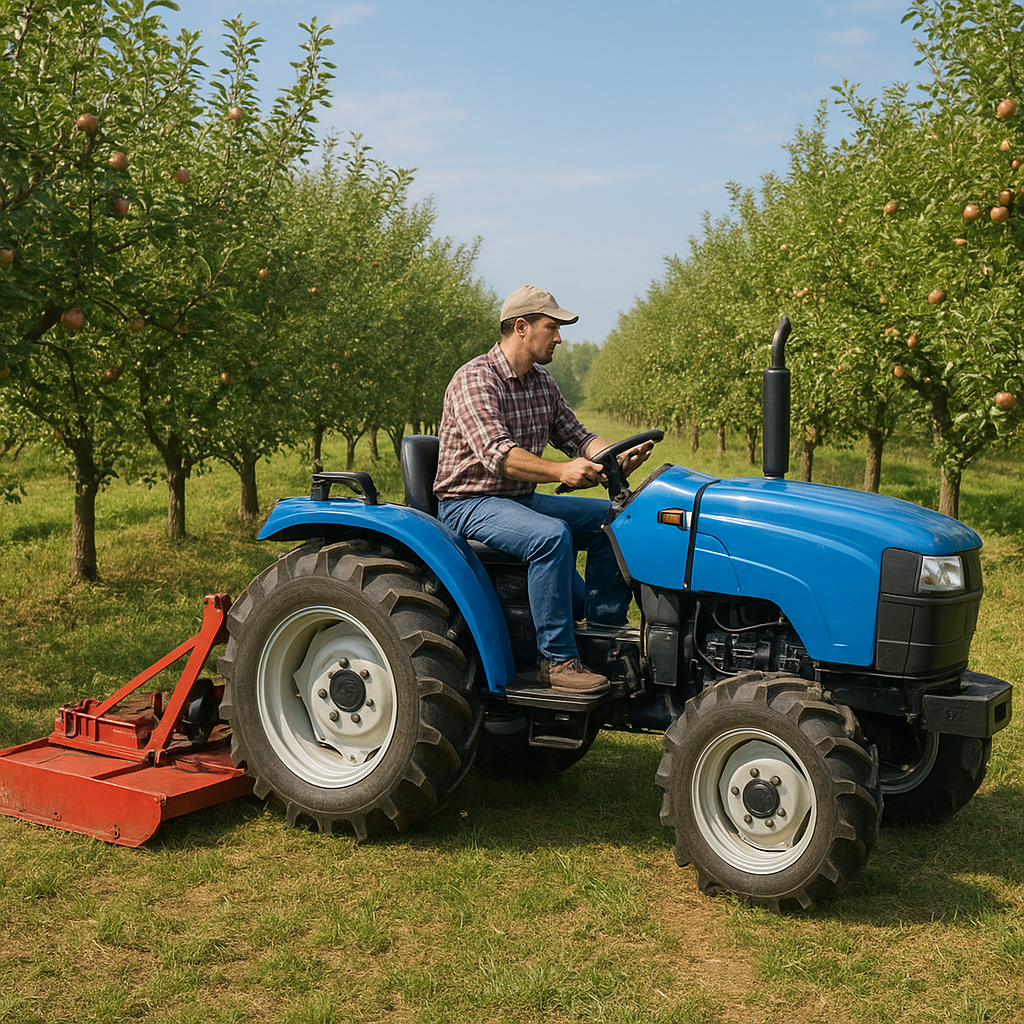
Orchard tractors differ significantly from general-purpose farm tractors. Their design prioritizes narrow widths, low profiles, and tight turning circles, allowing operations between closely planted rows of fruit or nut trees. When choosing a model, examine these core aspects:
- Maneuverability: A compact wheelbase and tight turning radius prevent damaging tree trunks and limbs.
- Clearance: Sufficient ground and overhead clearance protect trees during spraying, pruning, and harvest.
- Stability: Low center of gravity reduces rollover risk on slopes or uneven terrain common in orchards.
- Size: Ensure the tractor’s width matches your row spacing, typically between 1.2 and 2 meters.
Many manufacturers offer specialized narrow-profile tractors designed for vineyards and orchards. Compare specifications to find a model that fits both the physical layout and the workload intensity of your operation.
Engine Performance and Power Requirements
The tractor’s engine is its heart. For orchard tasks, you require a balance of power and efficiency. Overpowered machines can consume excess fuel, while underpowered units will struggle with heavy implements.
- Horsepower Rating: Choose a tractor with 20–80 HP, depending on the size of your orchard and the attachments you plan to use.
- Torque: High torque at low RPM ensures steady pull when using a sprayer, mower, or tiller.
- Fuel Efficiency: Modern diesel engines with electronic fuel injection optimize consumption and emissions.
- Cooling System: Enhanced cooling prevents overheating during extended operations under hot, dusty conditions.
Test drive models under load if possible. Feel how quickly the tractor responds to throttle input when lifting a heavy implement or climbing gentle slopes. Responsive performance minimizes stress on both machine and operator.
Maneuverability and Orchard Layout
Every orchard presents unique challenges—tight corners, uneven ground, and obstacles like irrigation lines or support stakes. Prioritize these features to navigate the rows safely:
- Steering System: Hydrostatic or power steering reduces operator fatigue during tight turns.
- Four-Wheel Drive (4WD): Improves traction in wet or muddy conditions common after irrigation or rain.
- Wheelbase Length: Shorter wheelbases allow sharper turning, but ensure stability is not compromised.
- Tire Options: R4 agricultural tires offer traction, while R1 narrow tires fit tighter rows without damage.
Consider optional features such as a reversible driving station or articulated steering, which flip the operator’s seat to face rear-mounted implements, further enhancing visibility and control.
Attachments and Implements
Tractors become versatile tools through a wide range of attachments. Identify which implements will be used most frequently in your operation:
- Sprayer Booms: For even pesticide or fertilizer application, ensure the tractor’s hydraulics support boom height adjustments.
- Mowers and Flail Shredders: Maintain grass between rows and manage pruning debris; check PTO speed compatibility (540 or 1000 RPM).
- Post Hole Diggers: When planting new trees or installing posts for trellises, ensure the tractor’s hydraulic flow meets digger requirements.
- Tillers and Rotary Cultivators: Prepare soil for planting or weed control; gear ranges should allow low-speed, high-torque operation.
Match implements with a tractor’s hydraulic capacity and rear three-point hitch category. Overloading the hydraulics can lead to poor performance and increased wear. A tractor with multiple remote hydraulic valves and electronic spool control offers greater flexibility for advanced implements.
Comfort, Safety, and Maintenance
Extended hours in the orchard demand a tractor that supports operator well-being and safe operation. Likewise, ease of maintenance ensures long-term reliability.
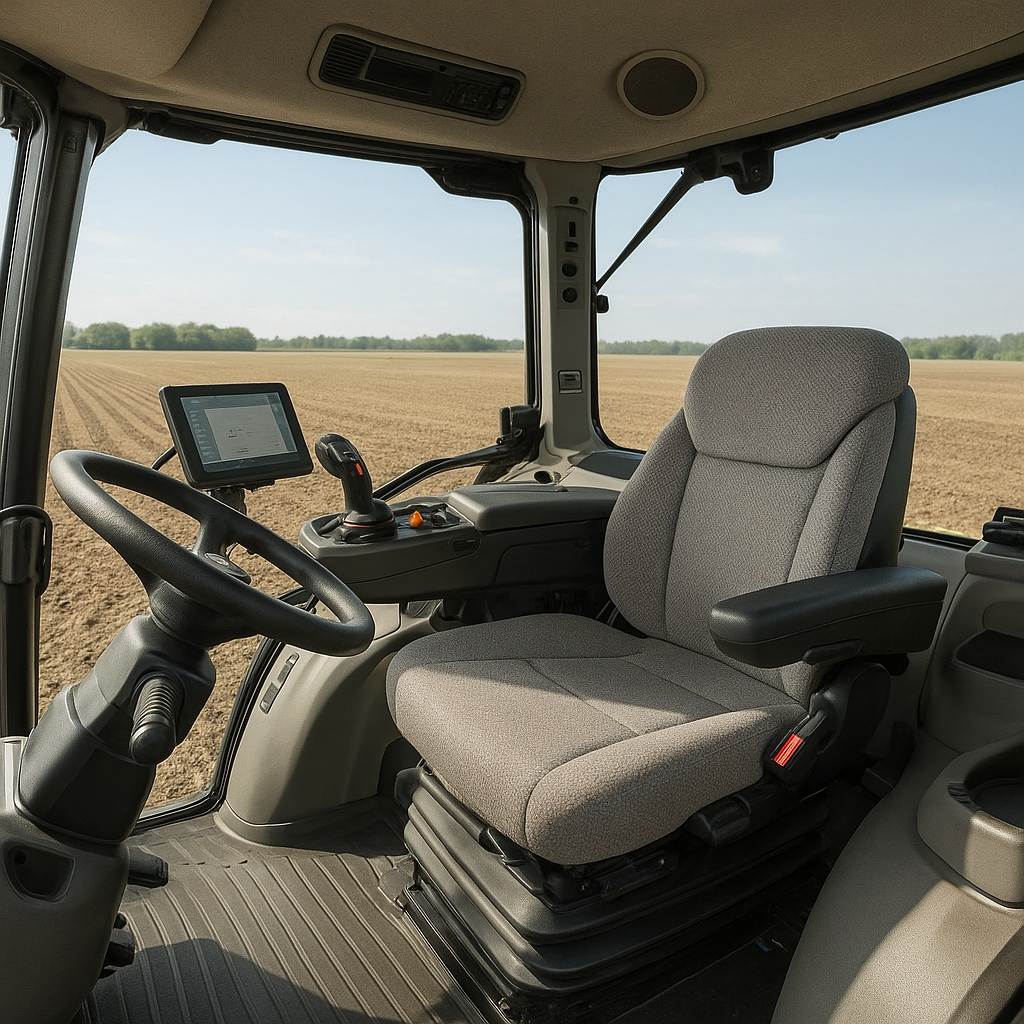
- Cab and ROPS: A fully enclosed, air-conditioned cab with a Roll-Over Protective Structure (ROPS) shields against weather and accidental rollovers.
- Operator Visibility: Large windows and angled hoods improve sight lines when maneuvering around trees and obstacles.
- Seat Suspension: Reduces fatigue on bumpy terrain, preserving operator focus and comfort.
- Maintenance Access: Ground-level service points for filters, fluid checks, and battery access simplify regular upkeep.
- Safety Features: Emergency shut-off switches, clear lighting packages, and easy-to-reach handrails enhance on-the-job security.
Evaluate the dealer network and warranty coverage. A well-supported service plan with genuine parts availability minimizes downtime and keeps your orchard running smoothly during peak seasons.
Making the Final Decision
Before committing to a purchase, gather detailed quotes, arrange on-site demonstrations, and talk to other orchard owners about their experiences with specific brands or models. Testing machines under real-world conditions provides insights that spec sheets cannot fully capture.
- Total Cost of Ownership: Factor in financing, insurance, maintenance, and expected depreciation.
- Resale Value: Tractors with a strong brand reputation often hold value better over time.
- Customization Options: Manufacturers may offer factory-installed packages tailored for orchards, saving time and reducing compatibility issues.
Investing time in research and hands-on trials ensures you select a tractor that meets power, precision, and practicality requirements for years of productive orchard operations.