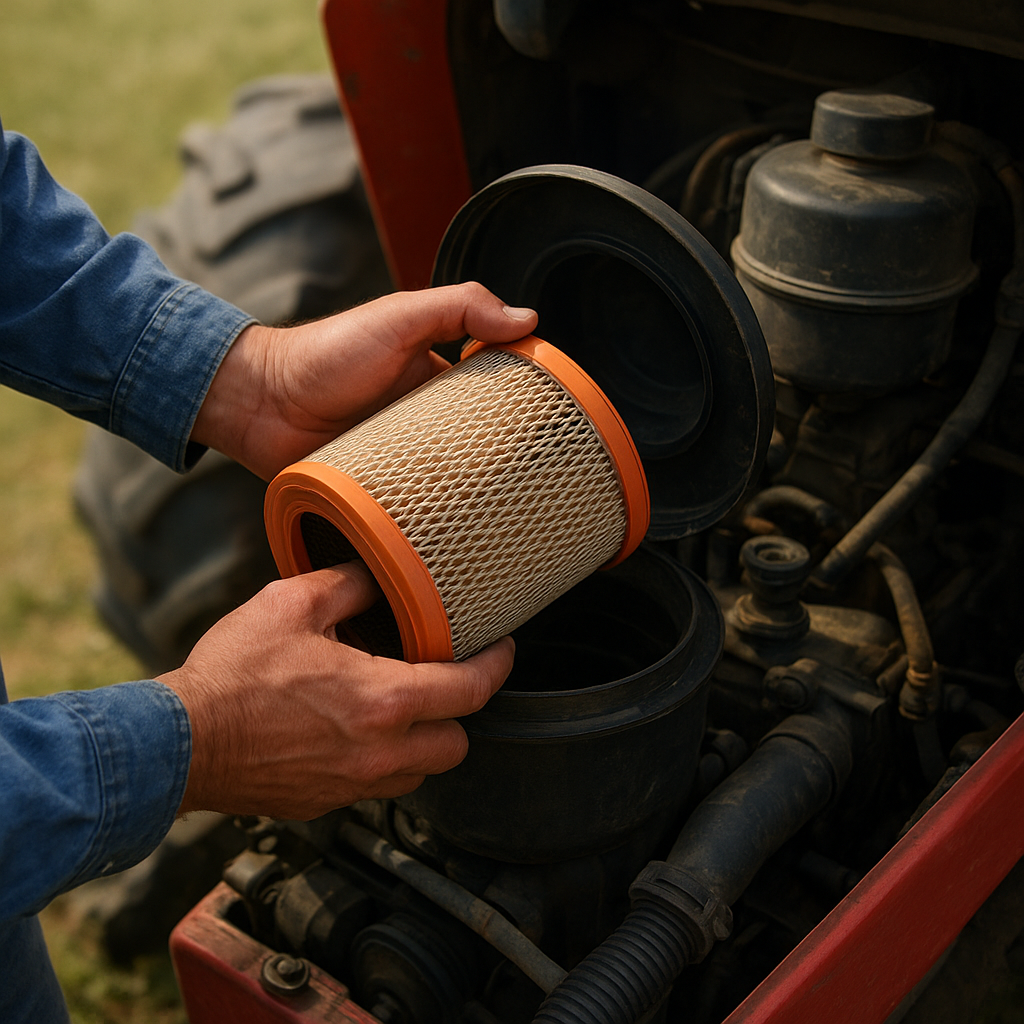
Proper maintenance of your tractor’s air filter is one of the simplest yet most effective ways to ensure consistent performance and prolong the life of your machine. By keeping the filter free of dust, dirt, and debris, you safeguard the engine against premature wear and optimize fuel usage. This guide will walk you through every stage of servicing your tractor’s air filter, from removal and inspection to cleaning, reinstallation, and routine checks. Follow these steps to maintain efficiency and maintain peak productivity during strenuous fieldwork.
Understanding the Role of the Air Filter
The tractor’s air filter plays a critical role in preventing harmful contaminants from entering the combustion chamber. Without a properly functioning filter, abrasive particles can score cylinder walls, damage piston rings, and impair valves—leading to reduced power and costly repairs. Clean, unobstructed airflow boosts engine response and lowers fuel consumption, making the task of filter maintenance a top priority for any equipment owner. Neglecting this simple component may compromise protection against environmental hazards like pollen, sand, and moisture.
Preparation and Safety Precautions
Before beginning any maintenance task, gather the necessary tools and materials. You will need:
- A set of screwdrivers or wrenches that match your filter cover fasteners
- A clean, lint-free cloth or compressed air source
- A mild cleaning solution appropriate for your filter type
- Gloves and safety glasses to guard against dust and chemical splashes
Park the tractor on a flat surface, engage the parking brake, and switch off the engine. Allow components to cool completely to avoid burns. Always consult the manufacturer’s manual for model-specific guidelines. Following these service intervals will help you plan timely maintenance and reduce the risk of overlooking crucial steps.
Removal and Inspection of the Air Filter
Accessing the air filter housing typically involves unclipping or unscrewing the cover. Once opened, gently remove the filter element to avoid dislodging dust into the intake system. Inspect the filter under adequate lighting:
- Hold it up to a light source; a well-maintained filter should allow soft light to pass through.
- Check for tears, holes, or signs of oil contamination that cannot be cleaned.
- Examine the rubber gaskets and sealing surfaces for cracks or deformation.
If the filter shows significant damage, replacement is the only reliable option. Reusing a compromised filter risks internal airflow restriction or bypass, which can accelerate engine wear. For paper and foam filters, any irreparable spots mean you must install a new element immediately.
Cleaning Techniques for Different Filter Types
Paper Element Filters
Paper filters are maintenance-friendly and widely used in agricultural equipment. Follow these steps:
- Tap the filter gently against a hard surface to dislodge dry dirt.
- Use low-pressure compressed air (no more than 30 psi) from the inside out to blow away remaining particles.
- Do not attempt to wash or oil paper filters unless the manufacturer explicitly approves it.
Proper handling ensures the filter’s pleats stay intact and maintain durability. Once cleaned, reinsert the filter immediately to prevent new dust accumulation.
Foam Element Filters
Foam filters require a different approach as they rely on slight oiling to trap fine particles:
- Wash the filter in a mild detergent solution, gently squeezing the foam to release dust.
- Rinse thoroughly with clean water until all soap residue is gone.
- Allow the foam to air dry completely in a shaded area.
- Lightly coat the foam with manufacturer-recommended filter oil, distributing it evenly by hand.
Over-oiling can restrict airflow, while under-oiling reduces filtration efficiency. Strike a balance to safeguard both maintenance intervals and engine health.
Reinstallation and Sealing
With a clean or new filter in hand, inspect the housing for residual debris. Wipe the interior surfaces with a lint-free rag before placing the element back. Align the filter carefully, ensuring that the rubber gasket contacts the housing evenly. When sealing the cover:
- Tighten clamps or screws just enough to compress the gasket—avoid overtightening, which can warp the frame.
- Verify there are no gaps or misalignments that could allow unfiltered air to enter.
- Reconnect any hoses or sensors you previously detached, ensuring secure fittings.
Proper sealing is essential for optimal performance. Any air leaks compromise the filtration process and put the engine at risk.
Routine Maintenance Schedule
Creating and following a maintenance schedule tailored to your tractor’s operating conditions will maximize longevity. Factors to consider include:
- Operating environment: dusty fields versus paved or clean areas
- Average daily runtime and load intensity
- Manufacturer recommendations and warranty requirements
Under severe all-day fieldwork, inspect the air filter every 50 hours of operation. Under lighter conditions, a 100-hour interval may suffice. Keeping a logbook with dates, hours, and findings will help you track trends and preempt issues before they escalate.
Troubleshooting Common Air Filter Issues
Even with diligent care, problems can arise. Here are some common symptoms and solutions:
- Reduced Power and Acceleration: Check for clogged filters restricting airflow. Clean or replace as needed.
- Black Smoke from Exhaust: Indicates an overly rich fuel mixture due to insufficient air intake—inspect the filter and intake ducts.
- Excessive Fuel Consumption: A dirty filter forces the engine to work harder. Restoring proper filtration improves efficiency instantly.
- Unusual Engine Noise: Sucking in loose debris can cause rattles or knocks. Verify seals and filter integrity.
Address these issues promptly to avoid more expensive engine repairs down the line.
Enhancing Filter Longevity with Additional Accessories
For particularly harsh conditions, consider installing a pre-cleaner or cyclone separator to reduce the load on your primary air filter. These devices use centrifugal force or radial screens to deflect large particles away from the filter element, significantly extending its service life. Although they add initial cost, they can lower long-term expenses by reducing filter changes and preventing engine wear.
High-quality maintenance practices turn filter upkeep from a chore into a cost-saving routine. By investing a small amount of time in thorough inspections and proper cleaning methods, you ensure that your tractor operates at peak readiness during planting, harvesting, or any heavy-duty application. Regular attention to the air filter bolsters overall reliability and preserves your equipment’s resale value.