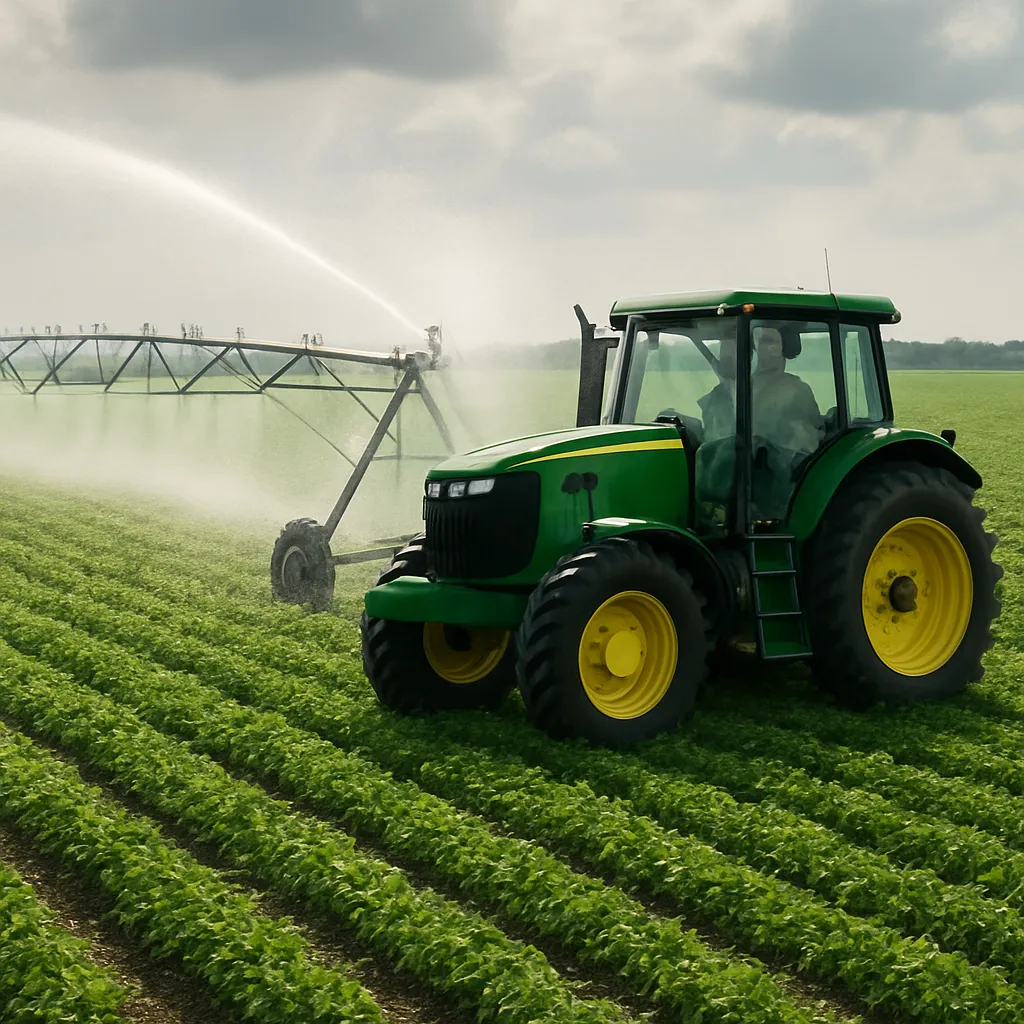
Tractors form the backbone of modern agriculture, shouldering heavy workloads across fields, vineyards, and construction sites. Proper maintenance ensures these machines remain reliable partners in the demanding tasks they perform. Among the myriad of service routines, changing the oil at recommended intervals stands out as one of the most critical. This article explores why consistent oil changes are essential for tractors, detailing how they enhance performance, prevent damage, and extend operational life.
Understanding Tractor Oil and Its Role
At the heart of every tractor lies a complex engine system, where various moving parts interact under high pressures and temperatures. Engine oil acts as the lifeline, providing key functions:
- Reducing friction between metal surfaces
- Transporting heat away from critical components
- Sealing gaps between piston rings and cylinders
- Preventing wear by carrying away microscopic debris
Different types of oil formulations—often categorized by viscosity grades—are developed to meet the unique demands of agricultural machinery. Tractor engines experience continuous load changes, from idling to full-throttle harvesting. Selecting the correct viscosity grade ensures the oil maintains its protective film under diverse temperature ranges, preventing wear and reducing the risk of mechanical failures.
Modern tractors commonly feature turbochargers, variable-speed transmissions, and hydraulic systems integrated into a single sump design. This configuration places even greater demands on oil quality, as it must serve dual roles in both lubrication and hydraulic actuation. As a result, oils labeled “tractor hydraulic” are specially formulated to resist foaming, maintain stable viscosity, and protect against oxidation.
Key Benefits of Regular Oil Changes
Routine oil changes deliver multiple benefits that directly impact a tractor’s operational profile:
- Performance Consistency: Fresh oil preserves engine power by minimizing internal drag and ensuring smooth piston movement.
- Improved efficiency: Reduced friction and friction-related energy loss translate into better fuel economy and reduced operating costs.
- Enhanced Protection Against corrosion: Additives in new oil coat metal surfaces, preventing rust and pitting caused by moisture and acids.
- Optimal Thermal Management: Clean oil circulates heat effectively, lowering the risk of overheating during prolonged high-load operations.
- Contaminant Control: Changing oil flushes out metal shavings, soot, and degraded additive residues that accumulate over time.
By keeping the oil fresh, operators can also maintain warranty compliance. Manufacturers specify service intervals that include oil changes to safeguard against premature wear and ensure reliable warranty claims. Overlooking this requirement can lead to voided coverage, leaving expensive repairs fully on the operator’s shoulders.
Consequences of Neglecting Oil Maintenance
Failing to adhere to recommended oil-change intervals invites a host of problems:
- Accelerated wear: Contaminated oil loses its ability to cushion metal surfaces, causing rapid deterioration of bearings, cylinder walls, and seals.
- Sludge Buildup: Oxidation byproducts and degraded additives form thick deposits that obstruct oil passages and impair lubrication.
- Increased Fuel Consumption: As friction mounts and heat dissipation falters, engines may require more fuel to deliver the same output.
- Risk of Catastrophic Failure: In extreme cases, blocked oil galleries or oil pump seizure can lead to total engine breakdown, necessitating costly overhauls.
- Hydraulic System Damage: In integrated systems, contaminated oil can damage hydraulic valves and injectors, leading to erratic implement control.
One common scenario involves tractors operating in dusty environments or harvesting crops with high residue levels. Without frequent oil changes, abrasive particles bypass filters and embed within moving parts, exacerbating surface wear. Over time, this mechanical damage can progress to irreparable engine scores, forcing equipment replacement and incurring unexpected downtime during critical planting or harvesting windows.
Best Practices for Oil Change Intervals and Selection
Adhering to manufacturer guidelines is the foundation for effective oil maintenance. However, real-world conditions often dictate adjustments:
Assessing Operating Conditions
If a tractor regularly works in hot climates or carries heavy loads, consider shortening the interval between oil changes. Similarly, dusty fields, steep gradients, or extended idling during PTO-driven operations can elevate contamination levels.
Monitoring Oil Quality
Periodic oil analysis—a process that tests viscosity, acid numbers, and metal particle content—provides objective insights into oil health. This service enables proactive maintenance and prevents issues before they escalate.
Selecting the Right Oil
Tractor oils are often available in categories such as:
- Monograde vs. Multigrade formulations
- Standard API classifications
- Specialist blends for cold-weather starts or high-temperature stability
Consult equipment manuals and seek advice from certified dealers to match oil specifications with manufacturer recommendations. Using substandard or incorrect oil can compromise additive performance and accelerate component contamination.
Changing Filters and Seals
Every oil change should include replacing the oil filter and inspecting gaskets or seals for wear. A new filter removes up to 99% of fine particles, ensuring the new oil remains free from debris. Worn seals can allow unfiltered air ingress, introducing moisture and dust into the system, ultimately undermining oil integrity.
Finally, maintain a detailed service log documenting dates, hours of operation, oil grades used, and filter changes. This record supports resale value and helps technicians diagnose future issues based on historical maintenance patterns.