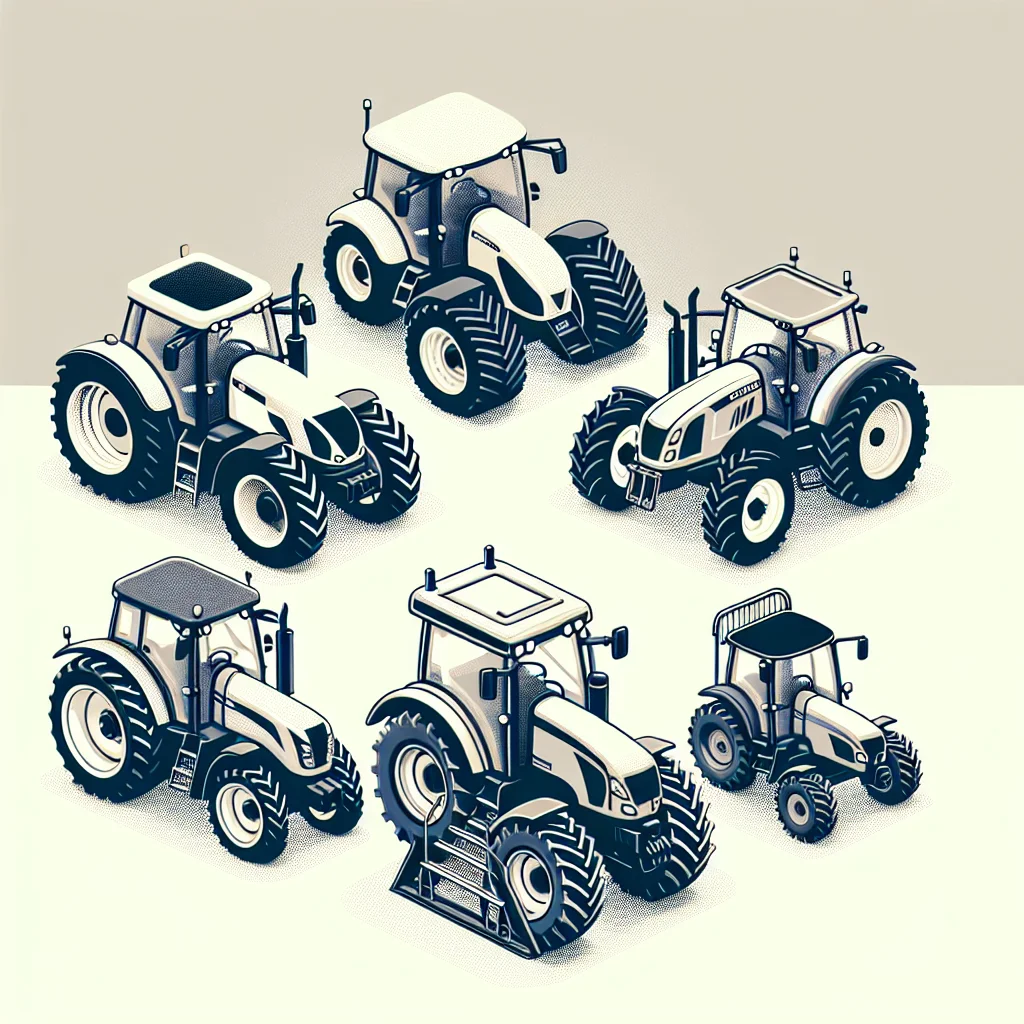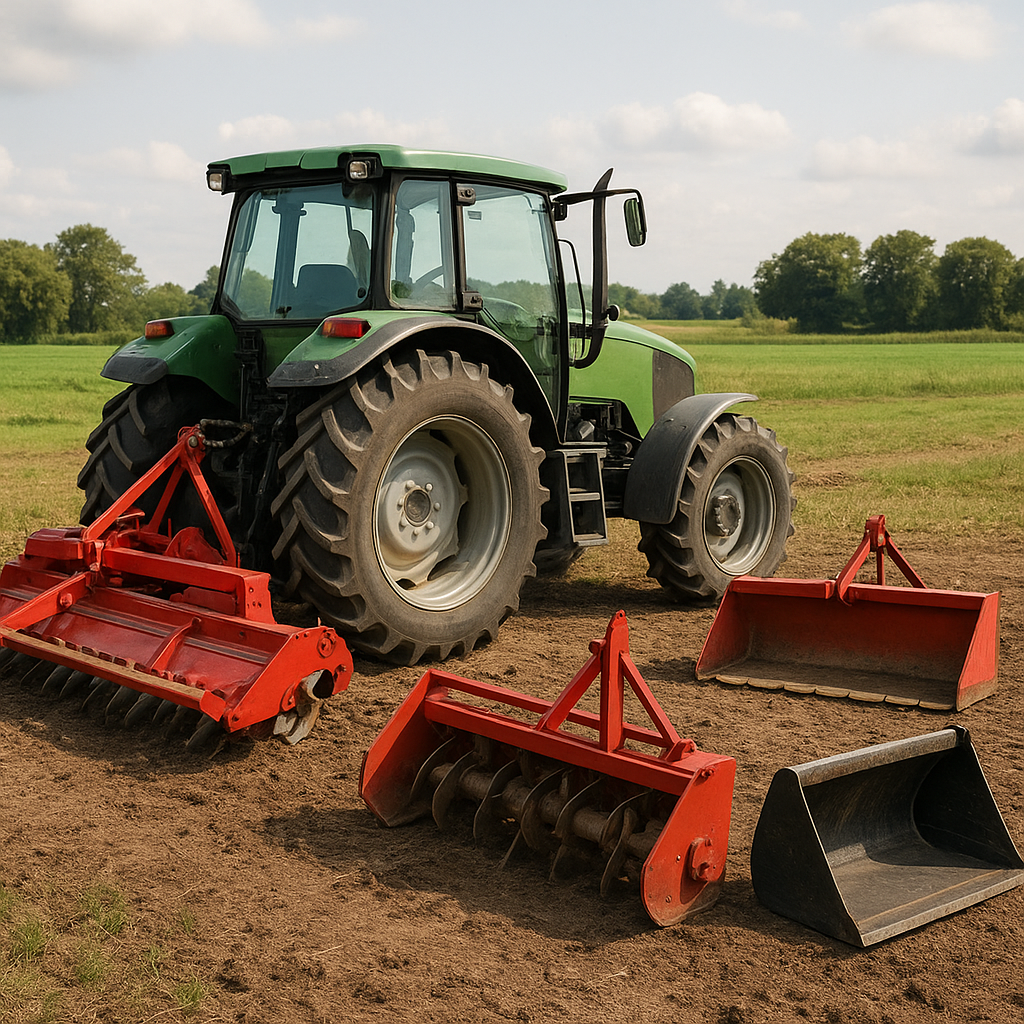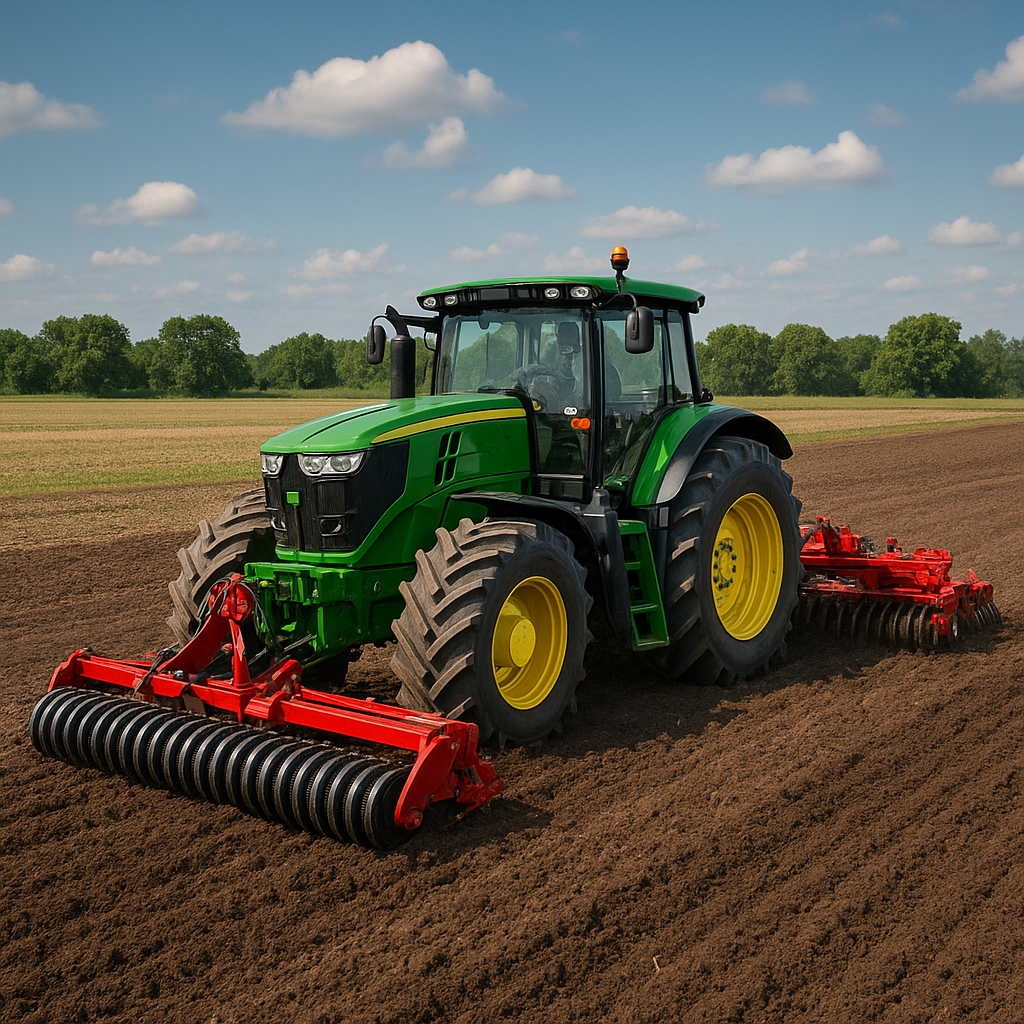
Innovations in agricultural machinery are reshaping the way farmers nurture their fields. Tractor technologies that focus on improving soil health are not only enhancing crop productivity but also promoting long-term ecological balance. Integrating advanced systems and sustainable practices, modern tractors address challenges like compaction, erosion, and nutrient depletion, forging a path toward regenerative farming.
Precision Agriculture for Enhanced Soil Sustainability
Precision farming has emerged as a game-changer in modern agriculture. By leveraging GPS guidance systems and data analytics, farmers can optimize inputs and reduce waste. Central to this approach is the concept of variable-rate application of seeds, fertilizers, and agrochemicals, ensuring each square meter receives exactly what it needs. This level of accuracy minimizes over-application, prevents soil nutrient imbalances, and curbs runoff into nearby waterways.
GPS Guidance and Auto-Steering Systems
High-accuracy GPS receivers paired with electronic control units deliver centimeter-level positioning. Tractors equipped with auto-steering systems can follow predefined paths, avoiding overlaps and gaps. The result is reduced soil compaction, as fewer passes are required to cover an entire field. Additionally, consistent tillage depth preserves soil structure and encourages deeper root growth.
Variable-Rate Technology (VRT)
- Sensors measure real-time soil fertility and moisture levels.
- On-the-go prescription maps adjust fertilizer dosage automatically.
- Seed drills adapt planting density based on soil variability.
Implementing VRT ensures that high-fertility zones aren’t overloaded while nutrient-poor areas receive adequate support. Over time, this balanced distribution fosters microbial diversity and enhances soil organic matter.
Low-Disturbance Tillage Implements Reducing Soil Erosion
Traditional plowing methods often leave soil vulnerable to wind and water erosion. Low-disturbance tillage implements, such as no-till and strip-till attachments, maintain protective crop residue on the surface and reduce mechanical disruption. This preserves soil aggregates, promotes moisture retention, and establishes a habitat for beneficial organisms.
No-Till and Strip-Till Equipment
No-till tractors and planters create seed furrows with narrow coulters or discs, disturbing only a small ribbon of soil. This approach conserves organic matter and prevents erosion by keeping crop residues intact. Strip-till machines take this concept further by tilling precise bands and leaving the inter-row area undisturbed, combining the benefits of conventional and no-till practices.
Advantages of Minimal Soil Disturbance
- Enhanced water infiltration and reduced surface runoff.
- Improved soil structure leading to stronger root systems.
- Increased populations of earthworms and other soil fauna.
By reducing the intensity of tillage, farmers can decrease fuel consumption and labor costs while fostering long-term soil resilience. This method aligns with the principles of regenerative agriculture, promoting a virtuous cycle of carbon sequestration and nutrient retention.
In-Field Sensors and Data-Driven Decision Making
The integration of sensors and Internet of Things (IoT) devices in tractors empowers farmers with real-time insights into soil conditions. From moisture probes to compaction gauges, these technologies enable targeted interventions that protect soil health and boost yields.
Soil Moisture and Temperature Monitoring
Deploying moisture sensors at various depths helps farmers understand water availability throughout the root zone. Coupled with weather forecasts, this data informs irrigation scheduling, preventing both drought stress and waterlogging. Temperature sensors can detect early frost risk, allowing timely field operations that minimize damage.
Compaction Assessment and Mitigation
- Ground-penetrating radar measures soil density variations.
- Load monitoring systems track tractor axle weight in real time.
- Adaptive tire inflation ensures optimal contact pressure.
By continuously monitoring compaction levels, modern tractors can adjust tire pressures on the go or recommend alternate routes to avoid heavily compacted zones. This dynamic response maintains pore space for air and water, vital for healthy root development.
Emerging Trends and Future Outlook in Soil-Friendly Tractor Technologies
Looking ahead, the synergy between automation, robotics, and sustainable agronomy will redefine soil management practices. Autonomous tractors capable of performing precise, round-the-clock operations promise to reduce field traffic and human error. Electric drivetrains and hybrid power systems are poised to lower greenhouse gas emissions, aligning farm operations with climate goals.
Robotics and Autonomous Implements
Self-driving tractors can navigate complex field geometries, planting seeds, cultivating weeds, and applying inputs with unparalleled precision. Equipped with machine vision and artificial intelligence, these units can detect crop stress, identify pests, and execute zone-specific treatments, all while minimizing soil disturbance.
Electric and Hybrid-Powered Tractors
- Electric motors deliver instant torque with fewer moving parts, reducing maintenance needs.
- Battery management systems optimize energy usage for various attachments.
- Hybrid configurations leverage diesel engines and electric drives for extended range.
The shift toward electrification not only cuts carbon emissions but also reduces noise pollution, facilitating nighttime operations that distribute field traffic more evenly, thereby avoiding repeated wheel tracks that can degrade soil structure.
Integration with Cover Cropping and Conservation Practices
Future tractor systems will seamlessly integrate with cover cropping strategies, coordinating seeding and termination equipment to maximize ground cover. By maintaining living roots in the soil year-round, cover crops enhance microbial activity and nutrient cycling, complementing the mechanical innovations built into modern agricultural machinery.
Tractor technologies are at the forefront of sustainable agriculture. By embracing precision tools, low-impact tillage, real-time sensing, and electrified propulsion, farmers can cultivate healthier soils, safeguard biodiversity, and secure food production for generations to come.