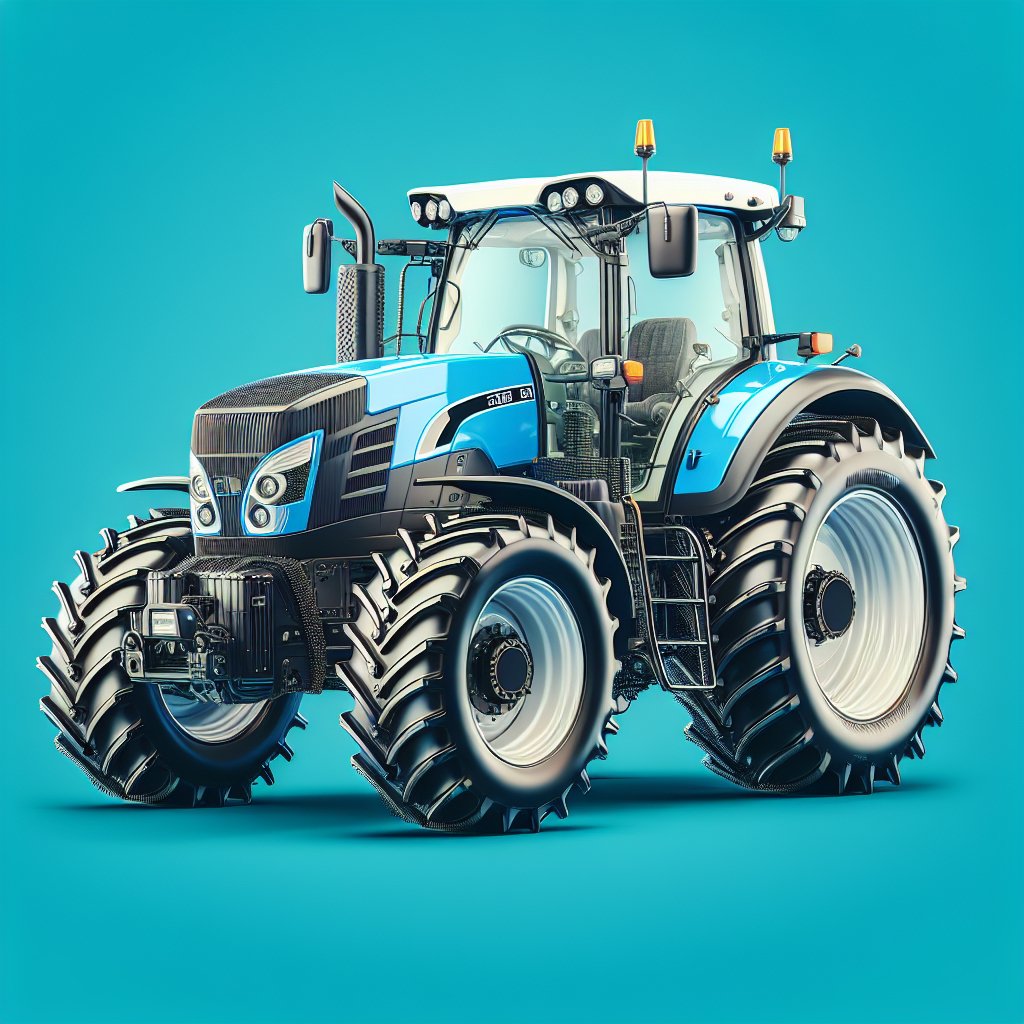
The evolution of tractor cab design has been driven by a relentless pursuit of operator comfort, improved productivity and enhanced safety. As modern farms demand longer hours in the field and precise operation of complex implements, manufacturers are integrating cutting-edge solutions to create a truly ergonomic workspace. This article examines the most significant breakthroughs that are shaping the cabs of today’s agricultural tractors.
Ergonomic Layouts for Enhanced Operator Comfort
A well-designed cab not only reduces fatigue but also boosts efficiency. Key innovations are focused on minimizing physical strain through adjustability and environmental control.
Adjustable Seating Systems and Vibration Reduction
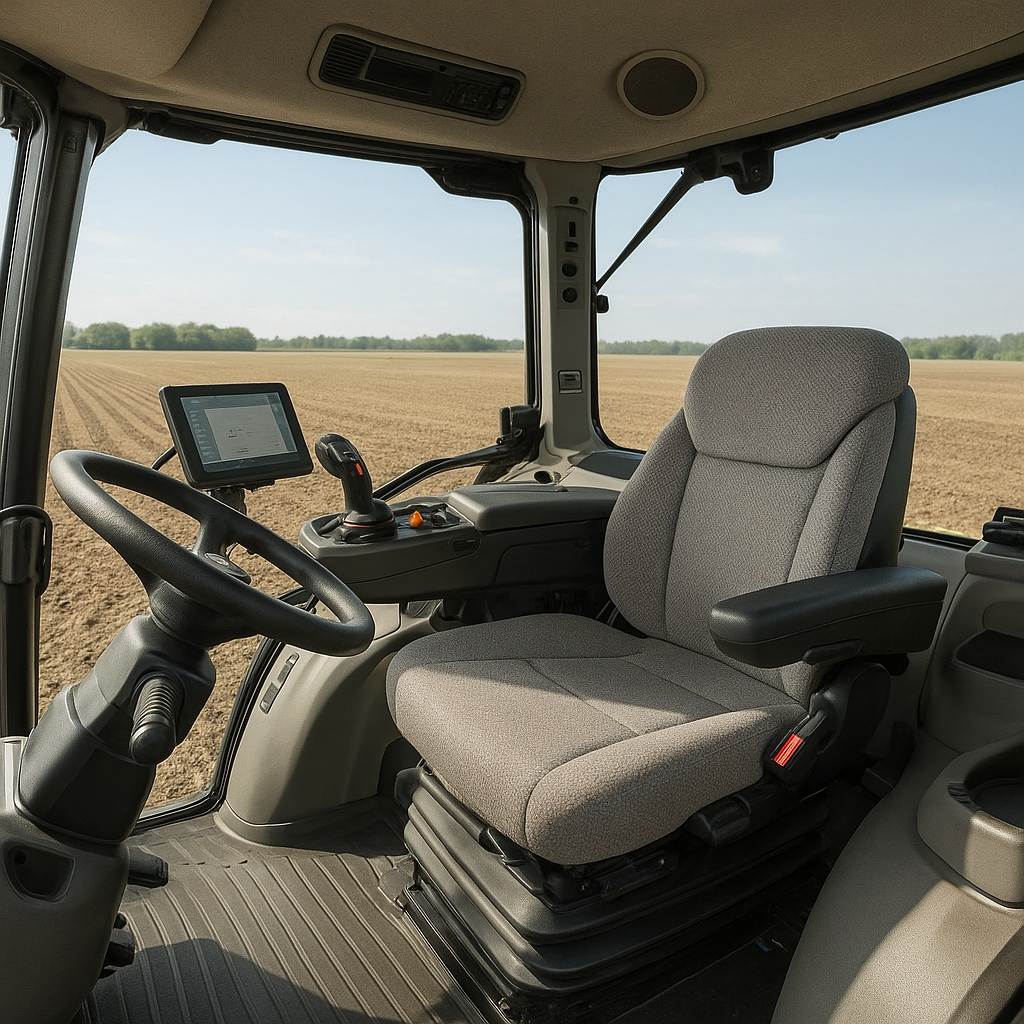
Seats now feature multi-axis suspension, customizable lumbar support and heated cushions to counteract long hours of operation. Advanced vibration dampening technology isolates the operator from uneven terrain, using fluid or air-bag suspensions. Controls are strategically positioned on a movable armrest, allowing seamless adjustment to match individual reach and posture.
- Memory presets for multiple drivers
- Dynamic damping that adapts to field conditions
- Swivel and tilt functions for better visibility
Climate Control and Noise Insulation
Maintaining an optimal interior climate is vital for concentration. Dual-zone air conditioning systems deliver precise temperature and humidity adjustments. Advanced noise insulation employs multi-layer glass and acoustic foam to reduce exterior sounds to below 70 decibels—an important threshold for operator health.
- HEPA-grade air filtration for dust and pollen
- Glass-to-glass bonded windows to eliminate wind noise
- UV-blocking sunroof panels to prevent glare
Advanced Technological Integration and Connectivity
Smart cabs are transforming tractors into mobile command centers. Real-time data exchange, automated assistance and integrated displays converge to support precision farming practices.
Precision Agriculture Systems
Integrated GPS receivers, auto-steer modules and yield mapping tools are now standard. Large touchscreen consoles offer intuitive interfaces for monitoring seed application rates, soil moisture sensors and implement performance. Farmers can store field boundaries, create prescriptions and record pass-by-pass data without leaving the cab.
- Section control for tractors with multi-row planters
- Variable rate technology seamlessly adjusts inputs
- Cloud connectivity for data backup and analysis
Connectivity and Remote Monitoring
Telematics platforms enable real-time monitoring of engine parameters, fuel consumption and maintenance alerts via smartphone apps or desktop portals. Geofencing alerts inform fleet managers of unauthorized movements. Remote diagnostics empower technicians to troubleshoot and update firmware without dispatching a service van.
- Over-the-air software updates for control modules
- Live video streams from rear-view cameras
- Bluetooth® and Wi-Fi hotspots for crew connectivity
Visibility, Safety Features and Lighting Innovations
Enhanced sightlines and illumination systems contribute to both comfort and safety—allowing precise operation during dawn, dusk or night.
Panoramic Views and Advanced Camera Systems
Ultra-slim pillars and curved glass panels offer an unobstructed 360° view. High-definition cameras provide blind-spot detection and top-down visuals for hitch alignment and implement checks. Artificial intelligence algorithms now analyze sensor feeds to detect nearby obstacles, issuing audible and visual warnings.
- Infrared night-vision for low-light conditions
- Integrated heads-up display showing speed and GPS data
- Multi-camera stitching for seamless surround view
LED and Adaptive Lighting Systems
Modern cabs employ matrix LED headlights that adjust beam patterns to avoid glare while illuminating the work area. Auxiliary work lights on the roof and fenders are configured via the in-cab console to focus on specific implement zones. Daytime running lights and rotating beacons enhance visibility to other vehicles.
- Adaptive cornering lights that pivot with steering
- Adjustable color temperature to reduce operator eye strain
- Energy-efficient LEDs with extended service life
Operator Assistance and Semi-Automation
From automated hitching to path-following capabilities, cabs now resemble aircraft cockpits more than traditional farm tractor enclosures. These systems lower the skill barrier and create a more stress-free working environment.
Automated Implement Control
Electronic hitch systems with load sensing automatically maintain implement depth and draft, ensuring consistent seed placement and soil engagement. Smart valves regulate hydraulic flow to attachments based on real-time feedback, minimizing manual adjustments.
- ISOBUS compatibility for plug-and-play tool integration
- Pressure sensors to optimize hydraulic efficiency
- Customized work modes for different implements
Path-Following and Auto-Steer Functions
Auto-steer systems leverage RTK-GPS corrections for centimeter-level accuracy, allowing tractors to follow predefined lines within a few centimeters of drift. Advanced models incorporate machine learning to adapt to field irregularities, further enhancing precision and reducing overlap.
- Guidance lines stored on local USB or cloud
- Boundary auto-creation via drone mapping
- Integrated obstacle detection to pause movement
Sustainability and Energy Efficiency in Cab Design
Eco-friendly materials and low-power systems are now incorporated to lower the carbon footprint of tractor operations. Lightweight composite panels replace steel, reducing overall mass and improving fuel economy. Solar panels integrated into the roof supply auxiliary power to climate controls and electronics during idle periods.
- Recycled fabrics for seat upholstery
- LED interior lighting with motion sensors to save energy
- Solar-augmented air conditioning systems
Insulation and Thermal Management
Advanced insulation materials with high R-values keep cabs cooler in summer and warmer in winter, reducing the workload on HVAC units. Phase-change materials embedded in cabin walls absorb and release heat, maintaining a consistent interior temperature without constant fan operation.
- Vacuum-insulated panels in floors and doors
- Low-emissivity window coatings
- Smart thermostats with occupant-aware sensors