Tractors have been the backbone of agriculture for more than a century, yet a host of misconceptions still surround these powerful machines. From beliefs about their speed and reliability to doubts about modern innovations, many myths persist. This article shines a light on ten of the most common misconceptions, exposing the facts that separate reality from fiction. By exploring historical developments, engineering breakthroughs, and practical applications, we aim to help farmers, enthusiasts, and curious readers understand the true capabilities of today’s tractors.
Myth 1: Tractors Are Only For Plowing Fields
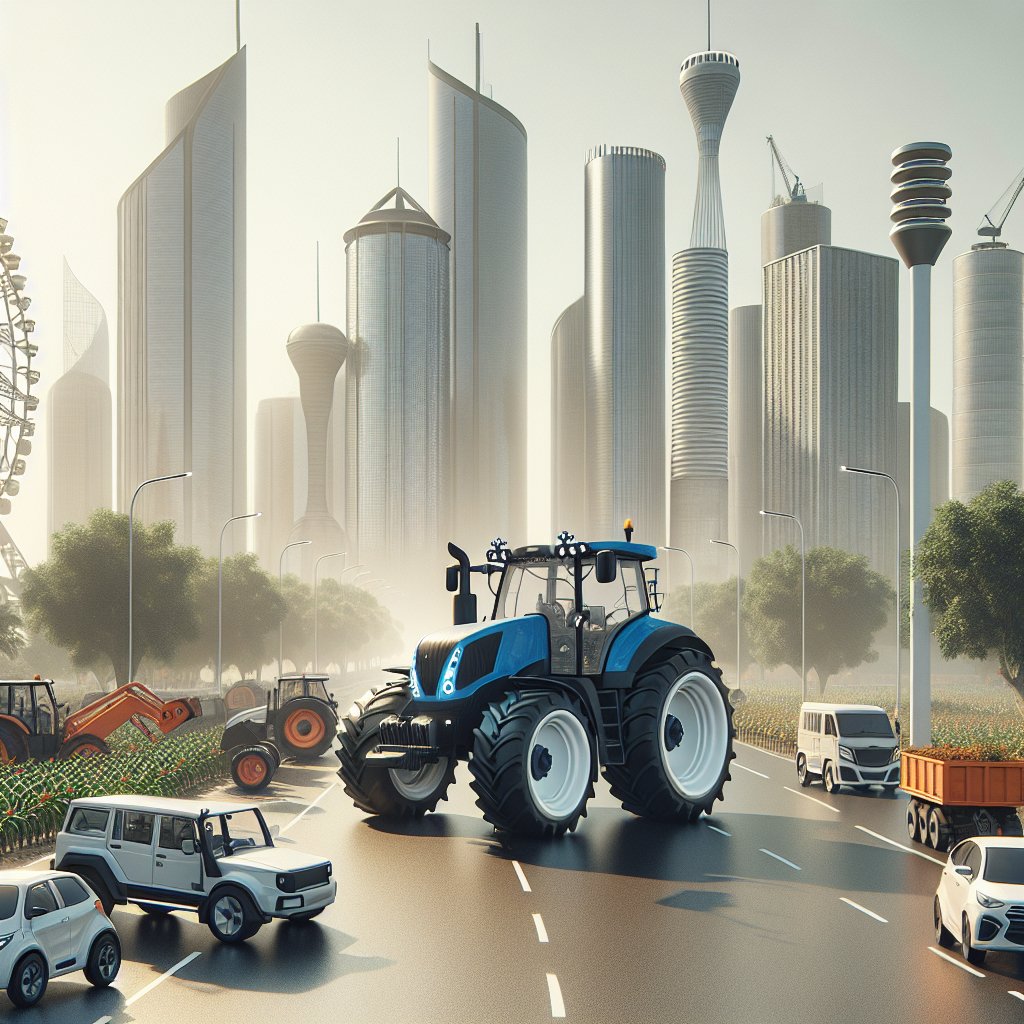
It’s easy to picture a tractor dragging a plow through muddy soil, but that’s far from the full story. Modern tractors serve a wide range of tasks beyond tilling. They excel at **harvesting**, **transporting**, seeding, spraying, and even land leveling. With specialized attachments such as front loaders, bale handlers, backhoes, and mowers, a single tractor can replace multiple dedicated machines. This **versatility** reduces equipment costs and simplifies farm operations. From vineyards to orchards, from construction sites to municipal maintenance, tractors adapt to specialized roles, proving that their utility extends well beyond the classic furrowed field.
Myth 2: Tractors Are Slow and Unreliable
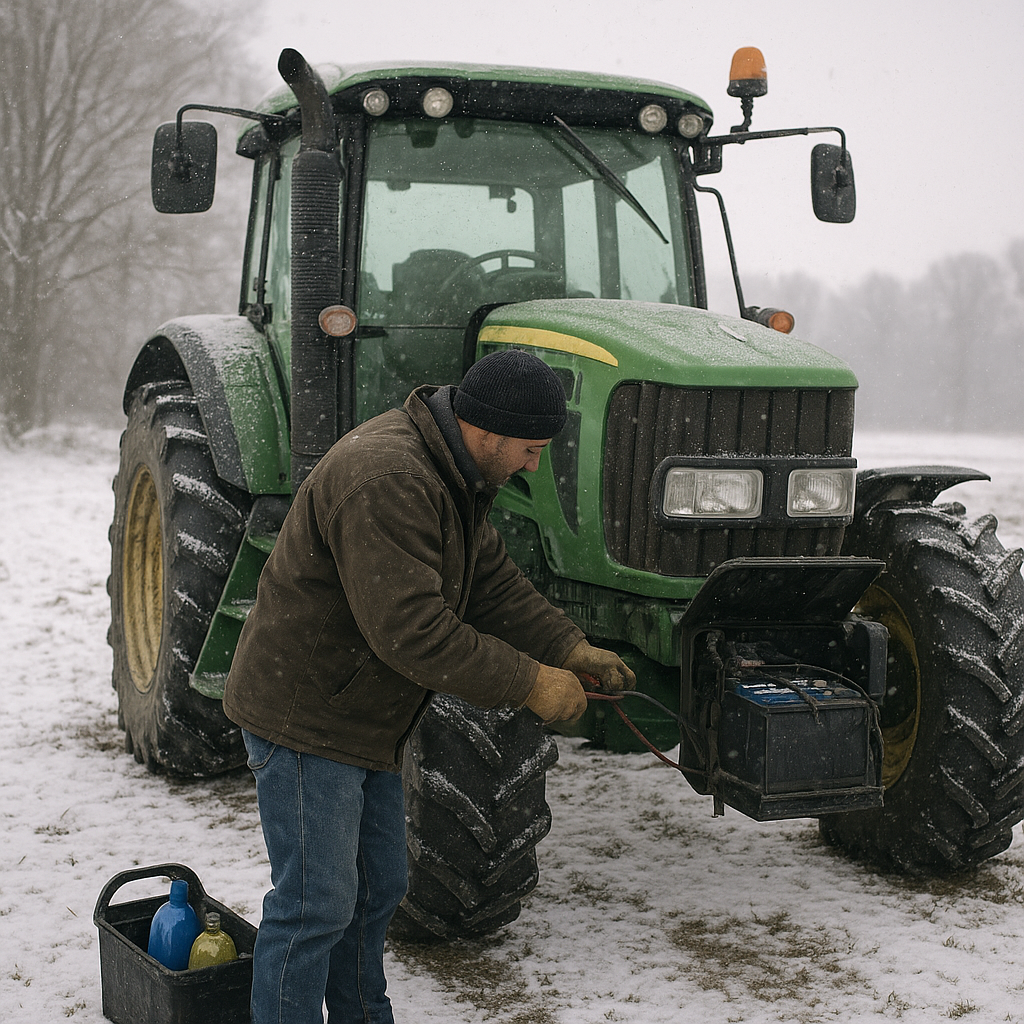
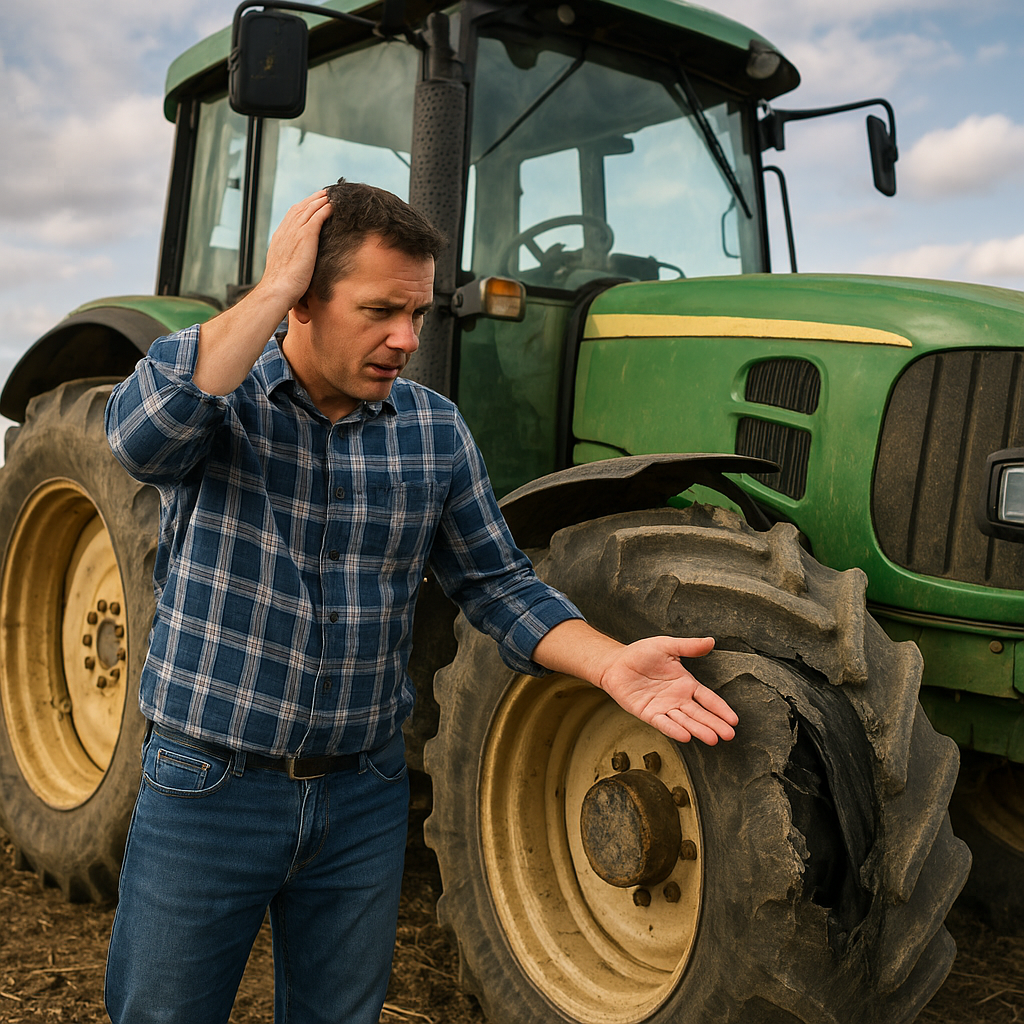
Historically, early tractors did struggle with limited speed and frequent breakdowns. However, contemporary models have seen leaps in engineering and quality control. Diesel engines now deliver consistent power, while advanced transmission systems allow speeds exceeding 40 km/h (25 mph) on roads. Precision-engineered components and rigorous testing ensure tractors operate reliably across thousands of hours. Many machines come with integrated diagnostics to alert operators before minor issues become major failures. Improved manufacturing standards and global service networks guarantee prompt maintenance, making modern tractors as dependable as passenger vehicles.
Myth 3: Diesel Engines Are Dirty and Inefficient
It’s true that older diesel engines produced significant soot and noise, but stringent regulations and technological advances have dramatically improved engine performance. Tier 4 and Stage V compliant engines use selective catalytic reduction (SCR) and diesel particulate filters (DPF) to minimize **emissions**. Noise levels have dropped thanks to refined fuel injection and muffler designs. Diesel remains the preferred fuel for heavy-duty work because of its superior energy density and torque delivery. Hybrids and alternative fuels are emerging, but modern diesel tractors continue to set the standard for power, durability, and overall efficiency.
Myth 4: Bigger Tractors Always Mean More Power
While large tractors often offer impressive horsepower ratings, size isn’t the only factor that dictates performance. Engine tuning, transmission efficiency, weight distribution, and tire traction all play crucial roles. A mid-sized tractor optimized for field work might outperform a larger model in **maneuverability**, fuel economy, and ground compaction. Smaller tractors with advanced transmissions and high-torque engines can handle demanding tasks without the bulk of a giant machine. Matching tractor dimensions to specific applications ensures maximum efficiency. Oversized tractors can damage fragile soils and consume excessive fuel when smaller models would suffice.
Myth 5: Modern Tractors Are Just Computers on Wheels
There’s no denying that electronics have become integral to tractor design. GPS guidance, touchscreen displays, and onboard computers are now commonplace. However, these systems complement, rather than replace, traditional mechanical reliability. Hydraulic systems still provide the brute force needed for lifting and pulling, while robust engines deliver raw torque. Electronic aids enhance operator comfort, reduce errors, and boost **precision**, but the core functionality of a tractor remains mechanical. In the event of an electrical fault, most machines can still complete basic tasks using manual overrides, ensuring productivity is never wholly dependent on software.
Myth 6: GPS Guidance Is Only for High-Tech Farms
Precision agriculture once sounded like science fiction, but GPS guidance has become accessible to farms of all sizes. Starter systems enable auto-steering with sub-meter accuracy, slashing overlap and cutting input costs. Even small-scale operators benefit from improved planting consistency and reduced soil compaction. Mid-range models offer guidance that integrates seamlessly with planting, fertilizing, and spraying equipment. Affordable subscriptions and modular hardware mean that GPS is no longer an exclusive perk for large corporate farms. Farmers everywhere are unlocking higher yields and sustainable practices thanks to this democratized technology.
Myth 7: Telematics Is Just a Fad
Telematics systems collect and transmit data on engine hours, fuel consumption, location, and maintenance needs. Critics argue it’s unnecessary overhead, but in reality, telematics drives smarter decision-making. Fleet managers can optimize routes, schedule preventative upkeep, and reduce downtime. Reliable wireless networks ensure real-time updates, while customizable dashboards present actionable insights. Data-driven farming reduces costs and environmental impact by pinpointing inefficiencies. As the Internet of Things (IoT) expands, telematics will only grow in importance. Early adopters already report significant savings in labor, fuel, and repair expenses.
Myth 8: Fully Automated Tractors Will Replace Human Operators
Autonomous tractors are making headlines, demonstrating the capacity to seed or spray fields with minimal supervision. Despite impressive demos, full autonomy in agriculture still faces challenges: unpredictable weather, varying terrain, and complex decision-making. Most manufacturers offer assistive automation—auto-implement control, headland turn automation, blanket spraying—but retain operator oversight. Human expertise remains essential for nuanced crop management, troubleshooting, and adapting to sudden changes. Rather than supplanting operators, automation aims to enhance productivity, reduce fatigue, and free humans to focus on strategic tasks.
Myth 9: One Tractor Fits All Farms
Farmland varies widely: soil types, topography, climate, and farm size all influence equipment choice. A compact utility tractor might excel on small or hilly plots, while high-horsepower row-crop tractors serve large-scale grain operations. Orchards, vineyards, and specialty farms require narrow-profile models or zero-turn radius designs. Rental and leasing options allow farmers to match equipment to seasonal demands without hefty capital investments. Selecting the right tractor involves evaluating power requirements, hydraulic capacity, tire configuration, and compatibility with existing **attachments**. There’s no universal solution; customization is key.
Myth 10: Maintenance Costs Are Prohibitively High
Critics often cite maintenance as a hidden expense, but proactive servicing and remote diagnostics have made upkeep more predictable. Manufacturers provide scheduled service intervals, genuine parts, and training to help operators conduct routine checks. Oil analysis and sensor alerts can flag wear before catastrophic failure. Many dealers offer maintenance packages that lock in rates and reduce unexpected costs. By following recommended guidelines, operators often find that total cost of ownership compares favorably with other heavy machinery. With proper care, modern tractors can run thousands of hours between major overhauls.