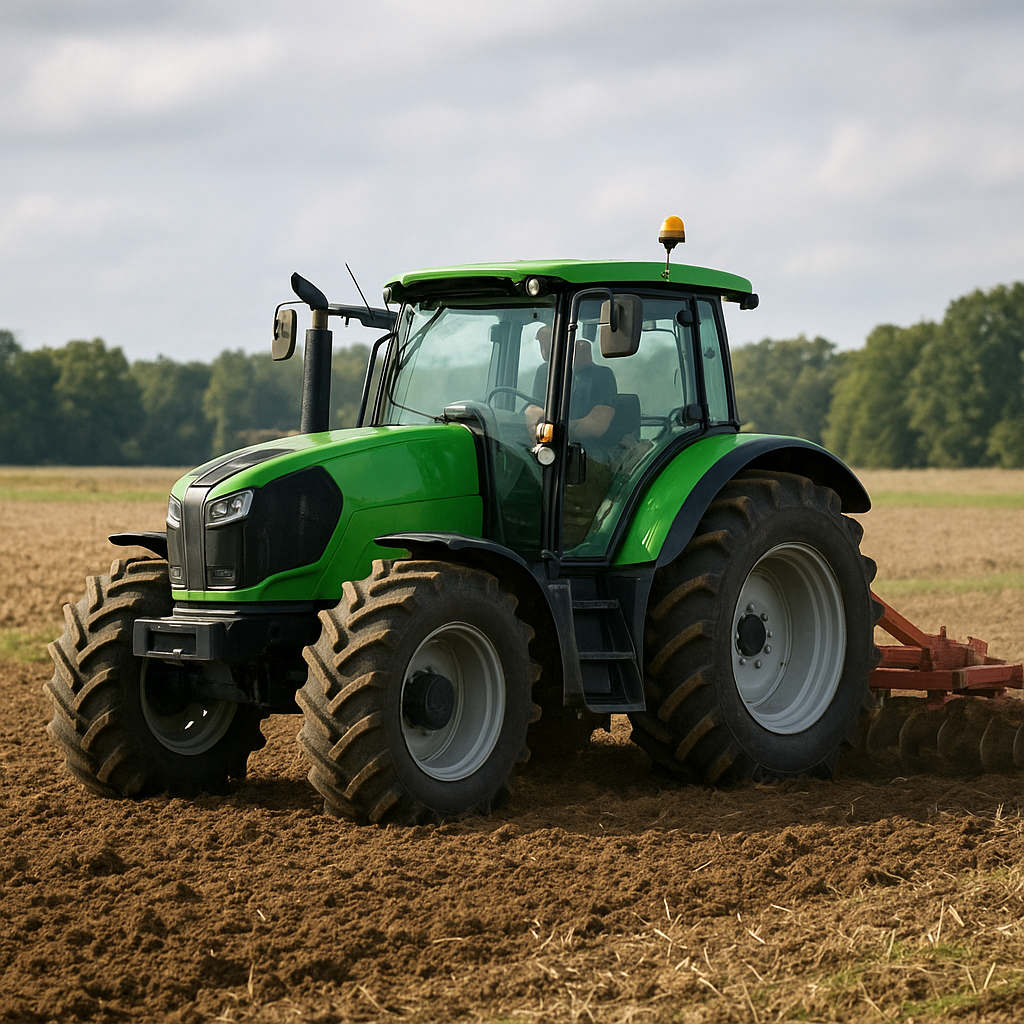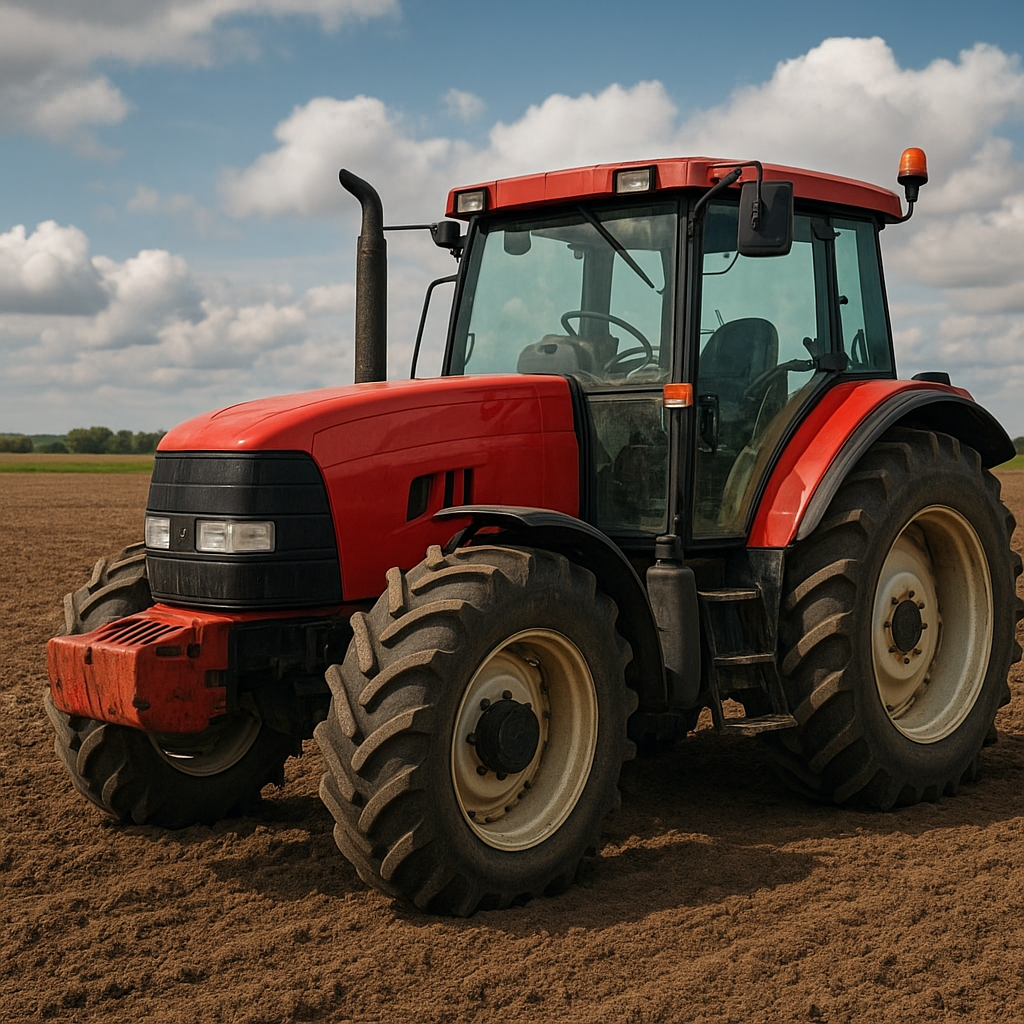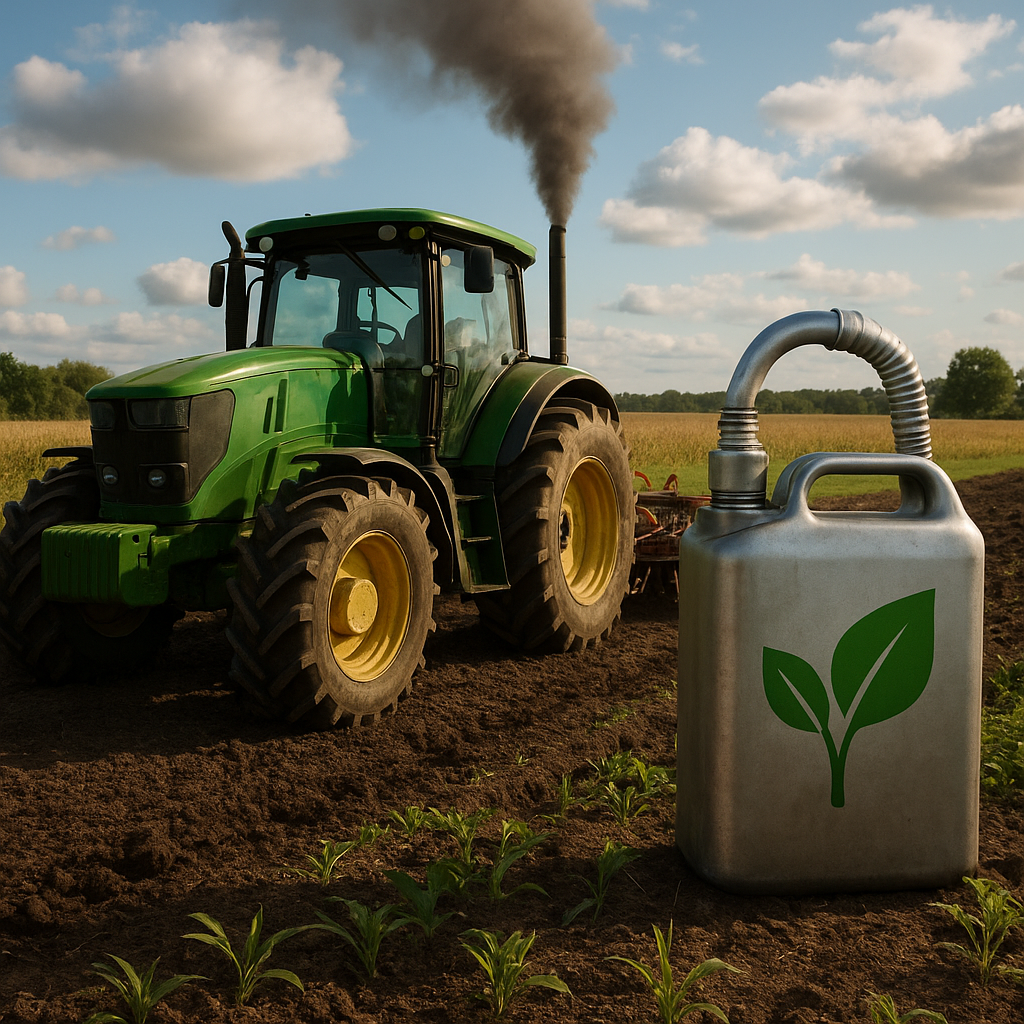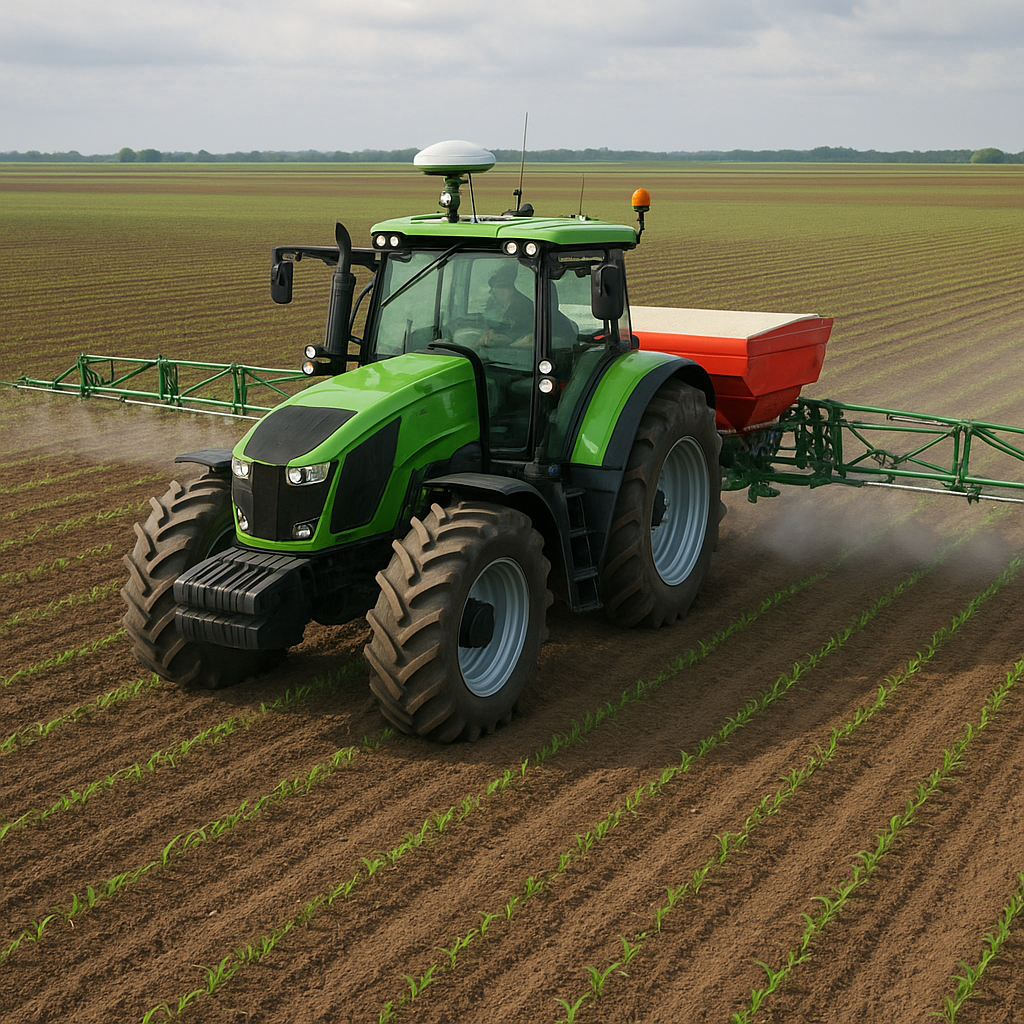
Modern agriculture depends on continuous innovation to meet growing demands for food, fuel, and fiber. At the heart of this transformation lies the tractor, a machine that has evolved from a simple horsepower amplifier into a sophisticated platform for precision farming solutions. By integrating cutting-edge sensors, GPS guidance, and advanced data analytics, tractors enable farmers to cultivate more efficiently, reduce waste, and promote sustainable practices. This article explores the pivotal role of tractors in precision agriculture, examining their benefits, core technologies, operational challenges, and future directions.
Benefits of Tractors in Precision Farming
Precision agriculture aims to optimize field-level management by measuring variability and responding with targeted actions. Tractors serve as the workhorses of this approach, delivering several key benefits:
- Efficiency: Automated steering systems reduce overlap between passes, saving time and fuel.
- Productivity: Real-time monitoring of seeding, fertilizing, and spraying ensures uniform application rates.
- Sustainability: Variable-rate technology limits chemical inputs to only those areas that need them, minimizing environmental impact.
- Connectivity: Wireless data transfer between tractors and farm management software streamlines decision-making.
- Cost reduction: By optimizing resource use, farmers can lower operating expenses and increase profitability.
Key Technologies Integrated in Modern Tractors
Tractors have transcended their traditional role as mere haulage units. Today’s models incorporate multiple advanced systems that work in concert to achieve precision outcomes:
GPS Guidance and Auto-Steer
Global Navigation Satellite Systems (GNSS) coupled with inertial measurement units allow tractors to follow pre-defined paths with centimeter-level accuracy. This technology:
- Eliminates operator fatigue during long hours in the field.
- Ensures consistent row spacing for crops like corn, soybeans, and cotton.
- Reduces fuel consumption by minimizing overlaps.
Sensor Networks and Machine Vision
Embedded sensors collect data on soil moisture, nutrient levels, and crop health. Machine vision systems mounted on implements can:
- Detect weeds for targeted herbicide application.
- Measure plant chlorophyll content to adjust fertilizer rates.
- Monitor fruit ripeness in orchards or vineyards for optimal harvesting.
Telematics and Data Analytics
Telematic units transmit operational metrics—such as engine performance, fuel usage, and application rates—to cloud platforms. Farmers and agronomists use analytics tools to:
- Generate prescription maps for variable-rate seeding or fertilizing.
- Track maintenance schedules and predict component failures.
- Compare field performance year over year to refine agronomic practices.
Operational Challenges and Solutions
Despite significant advancements, integrating precision technologies into tractors presents challenges that farmers must navigate to fully harness potential gains.
Data Overload and Management
High-resolution mapping, sensor readings, and telemetry streams produce vast volumes of data. Without proper management, this influx can overwhelm farm staff and IT systems. Solutions include:
- Implementing standardized data formats for seamless sharing between equipment and software.
- Using machine learning algorithms to extract actionable insights from raw datasets.
- Employing dashboard interfaces with customizable alerts to highlight critical issues.
Interoperability and Compatibility
Farmland often features mixed fleets of tractors and implements from various manufacturers. Ensuring that guidance systems, controllers, and sensors communicate effectively is essential. Approaches to improve interoperability:
- Adopting open communication protocols such as ISO XML, ISOBUS, and ADAPT.
- Partnering with equipment dealers to certify compatibility across brands.
- Regularly updating software and firmware to maintain compliance with industry standards.
Training and Human Factors
Maximizing the impact of precision equipment requires skilled operators. Investing in training programs helps staff master new interfaces and troubleshooting procedures. Key elements include:
- Hands-on workshops led by manufacturer specialists.
- Online tutorials and simulation tools to practice configuring auto-steer and variable-rate controls.
- Peer-to-peer learning networks where farmers share real-world experiences.
Future Trends and Innovations
The tractor’s evolution continues as emerging technologies promise to reshape agriculture even further. Some noteworthy advancements on the horizon include:
- Automation and autonomy: Prototype autonomous tractors equipped with radar, lidar, and AI-driven path planning could perform routine tasks with minimal human intervention.
- Robotic integration: Tractor-mounted robotic arms may handle delicate operations such as hand harvesting or precise grafting in specialty crops.
- Enhanced connectivity: 5G networks will support real-time, high-bandwidth communication across large farm sites, enabling more responsive remote control and diagnostics.
- Renewable energy integration: Hybrid or fully electric tractors powered by solar-charged batteries could reduce carbon footprints and operating noise levels.
- Blockchain-enabled traceability: Securely recorded inputs and machine logs will strengthen supply chain transparency, meeting consumer demand for farm-to-fork provenance.