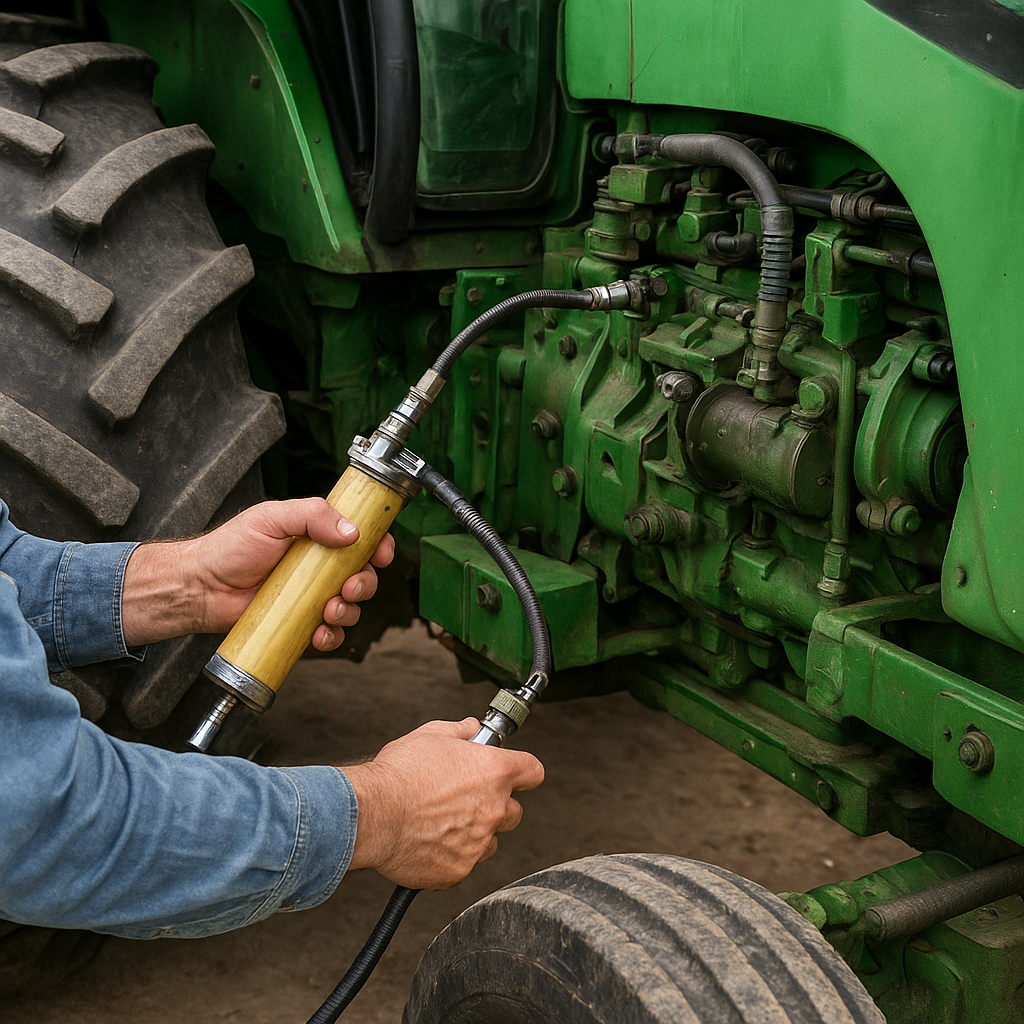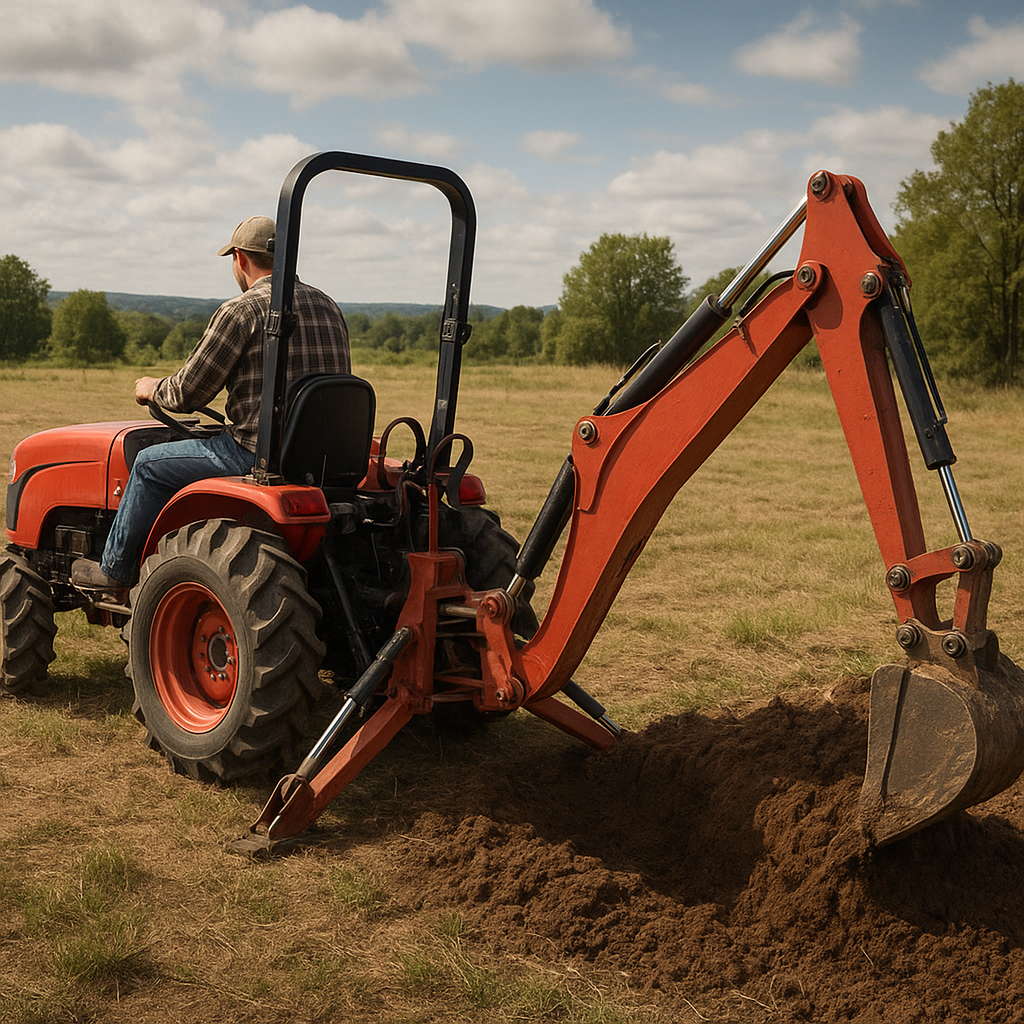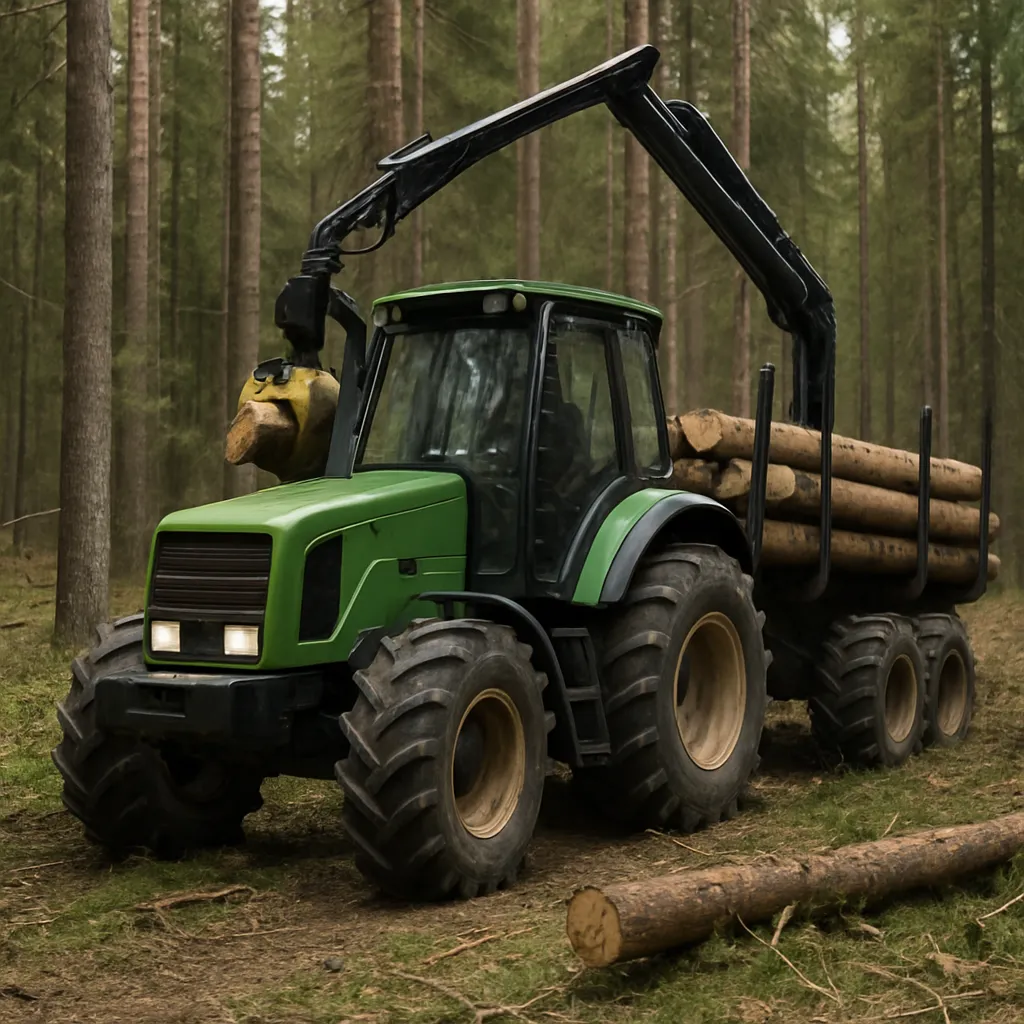
The integration of tractors into forestry operations has transformed the way forests are managed, harvested, and sustained. From clearing underbrush to hauling heavy logs across rugged landscapes, these versatile machines have become indispensable for modern forest professionals. As demands for timber, biomass, and ecological restoration grow, the capabilities of specialized forestry tractors continue to expand, offering unprecedented efficiency and reliable performance in diverse environments.
History and Evolution of Forestry Tractors
During the early 20th century, the shift from animal labor to mechanized equipment initiated a new era in forest management. Pioneering manufacturers began retrofitting agricultural tractors with protective cabs, reinforced frames, and winches to handle rough terrain.
Early Mechanization
Initial adaptations focused on basic tasks such as ground preparation and skidder functions. These early skidders featured simple gearboxes, minimal suspension, and open cabs. Operators often faced dusty conditions and limited visibility when dragging felled trees to roadside landings.
Technological Advances
By mid-century, innovations in hydraulic systems, diesel engines, and rubber-tracked undercarriages revolutionized performance. Key milestones included:
- Introduction of enclosed, ROPS-certified operator stations
- Integration of hydrostatic drive for smoother throttle response
- Development of specialized attachments such as mulchers, feller bunchers, and forwarders
These advances laid the foundation for modern, purpose-built forestry tractors capable of multitasking across complex work sites.
Key Features and Innovations
Forestry tractors today incorporate a wide array of technologies designed to enhance productivity, safety, and environmental stewardship. Manufacturers continuously refine machine designs to meet stringent operational requirements.
- Terrain Adaptability: Advanced suspension systems and track options allow operation on steep slopes and soft ground, reducing soil compaction and erosion.
- Precision Hydraulics: High-flow hydraulic circuits support powerful cutting heads and grapples, enabling efficient tree felling and processing.
- Operator Comfort: Climate-controlled cabs, ergonomic controls, and noise reduction systems minimize fatigue during long shifts.
- Telematics Integration: Real-time monitoring of machine health, fuel consumption, and GPS mapping optimizes workflow and maintenance scheduling.
- Fuel Efficiency: Variable-speed engines and intelligent idle management reduce emissions and operating costs.
Such features not only accelerate project timelines but also promote sustainability by conserving soil structure and minimizing ecological disturbance.
Applications in Forestry Operations
Versatile tractors perform a range of tasks across all stages of forest management, from site preparation to final log transport. Their adaptability makes them valuable assets for contractors and forestry services alike.
Site Preparation and Thinning
Tractors fitted with mulching heads or disc harrows clear underbrush, briars, and invasive species. This process creates optimal conditions for replanting, wildfire risk reduction, and habitat restoration.
Felling and Processing
Equipped with articulated booms and harvesters, tractors can fell trees, delimb trunks, and cut logs to specified lengths on location. This approach streamlines operations by reducing manual labor and speeding up processing rates.
Extraction and Hauling
Heavy-duty skidders and forwarders tow large assortments of logs to collection points. Features such as self-cleaning tracks and central tire inflation systems improve mobility in muddy or snowy conditions, ensuring year-round productivity.
By combining tasks—felling, processing, and hauling—on a single chassis, these machines drastically lower the need for multiple vehicles and labor crews, boosting overall productivity.
Environmental and Safety Considerations
As forest management practices evolve toward sustainable models, forestry tractors play a crucial role in reducing negative impacts on ecosystems. Simultaneously, operator safety remains paramount, with rigorous standards guiding machine design and use.
Minimizing Ecological Footprint
Innovations aimed at preserving soil health include:
- Low-ground-pressure tracks that distribute weight evenly
- Precision steering systems that limit unnecessary ground disturbance
- On-the-fly adjustability of tire pressure to match terrain conditions
These measures support reforestation efforts and protect watercourses from sedimentation.
Enhancing Operator Safety
Modern forestry tractors incorporate:
- ROPS and FOPS-certified cabs to protect against rollovers and falling debris
- Advanced lighting packages for safe operation in low-visibility conditions
- Emergency stop systems and fail-safe hydraulics to prevent unintended movements
Comprehensive training programs and digital simulators further prepare operators for the complex challenges of working in remote forest environments.
Future Trends and Outlook
The trajectory of forestry tractors points toward increased automation and zero-emission powertrains. Electric and hybrid prototypes are already undergoing field trials, promising reduced noise and greenhouse gas emissions. Simultaneously, machine-to-machine communication and AI-driven planning tools will refine operational efficiency, enabling forest managers to make data-driven decisions.
Embracing these advancements ensures that forestry tractors will continue to serve as the backbone of sustainable forest management, balancing commercial objectives with ecological responsibility and worker safety. As technology advances, the synergy between innovation and tradition will shape the next generation of forestry equipment.